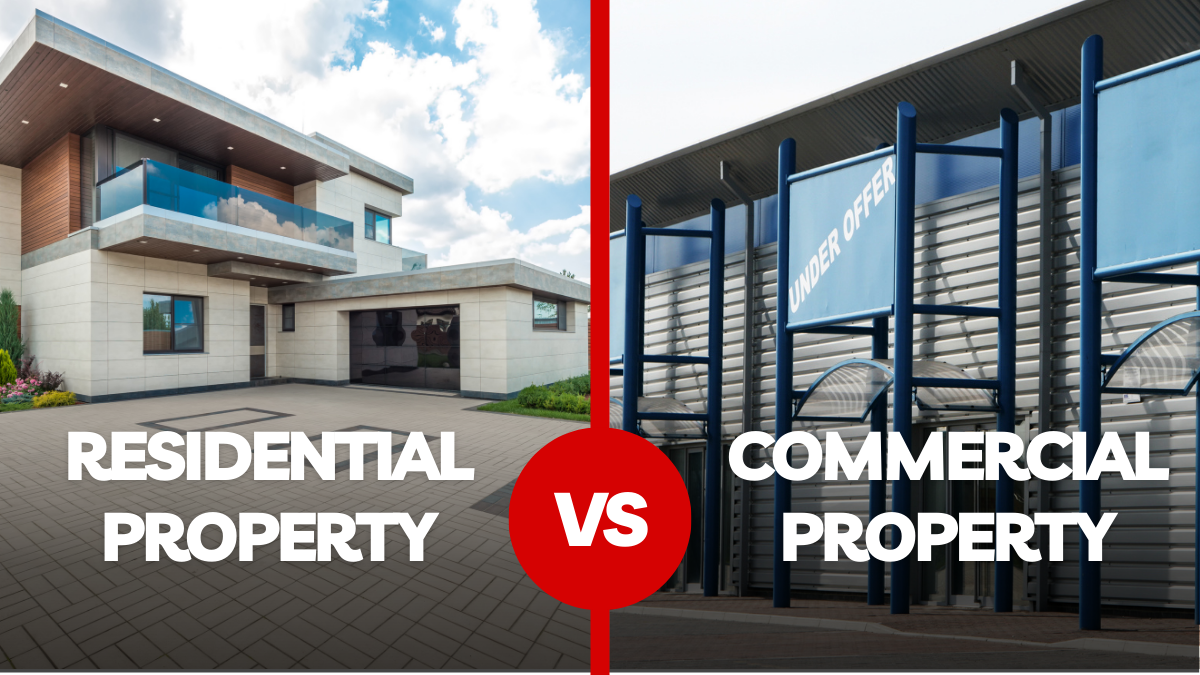
In the world of real estate, properties are generally classified into two main categories: residential and commercial. While residential property refers to homes and living spaces, commercial property is used exclusively for business and income-generating purposes. Understanding what commercial property is — and its many subtypes — is essential for investors, landlords, and developers aiming to diversify their portfolios and tap into long-term income streams.
This guide breaks down the definition of commercial property, its key types, benefits, and how Fraser Bond helps clients navigate the UK’s commercial real estate market with confidence.
Definition: What is Commercial Property?
Commercial property (also referred to as commercial real estate or CRE) is any real estate asset that is used solely for business purposes or to generate a profit — either through rental income or capital appreciation.
Unlike residential properties, which are designed for people to live in, commercial properties are leased to businesses and institutions. These properties are regulated differently, with lease terms, tax rules, and planning permissions that reflect their business use.
Types of Commercial Property
1. Office Space
Used by companies and professionals for day-to-day operations. Ranges from small serviced offices to entire skyscrapers.
Examples: Corporate headquarters, co-working spaces, business parks
2. Retail Property
Designed for the sale of goods or services directly to consumers.
Examples: High street shops, shopping centres, supermarkets, showrooms
3. Industrial Property
Used for manufacturing, storage, distribution, and logistics.
Examples: Warehouses, factories, fulfilment centres, light industrial units
4. Hospitality and Leisure
Accommodates guests or provides entertainment and services.
Examples: Hotels, serviced apartments, gyms, cinemas, restaurants
5. Mixed-Use Property
Combines residential, commercial, and sometimes leisure or office space within one development.
Examples: Ground-floor retail with flats above, city centre redevelopments
6. Healthcare and Education
Specialist properties leased to care providers or educational institutions.
Examples: Care homes, private hospitals, schools, nurseries
Key Features of Commercial Property
-
Leased to Businesses: Tenants are companies or service providers rather than individuals or families
-
Longer Lease Terms: Often 3–25 years, offering predictable income streams
-
Higher Yields: Typically generate stronger returns compared to residential properties
-
Professional Management: Often managed by commercial property managers or asset managers
-
Zoning and Planning: Subject to specific commercial use classes under UK planning law
Benefits of Investing in Commercial Property
1. Income Stability
Long-term leases and strong tenant covenants can provide consistent, inflation-linked income.
2. Diversification
Adding commercial property to a portfolio reduces reliance on residential or stock market returns.
3. Capital Growth
Prime commercial locations often appreciate in value, especially in regeneration zones or high-demand corridors.
4. Customisation and Control
Owners can repurpose or redevelop commercial spaces to meet market demands (subject to planning).
Common Considerations
-
Higher Entry Costs: Commercial property typically requires more capital than residential
-
Complex Leasing Structures: Including FRI (full repairing and insuring) leases
-
Liquidity: Transactions can take longer to complete
-
Regulatory Compliance: Health and safety, access, and building standards vary by property type
-
Market Cycles: Different commercial sectors respond uniquely to economic conditions
How Fraser Bond Can Help
At Fraser Bond, we provide expert guidance for individuals and institutions looking to buy, sell, lease, or invest in commercial property. Our services include:
-
Sourcing on- and off-market commercial opportunities across London and the UK
-
Investment analysis, including yield projections and tenant risk profiling
-
Full acquisition support, from legal due diligence to negotiation and completion
-
Asset management, leasing strategy, and redevelopment consultancy
-
International buyer assistance, including tax structuring and planning
With deep knowledge of the UK commercial property landscape, Fraser Bond ensures your investment is secure, compliant, and positioned for long-term growth.
Conclusion
Commercial property is a powerful asset class that offers stable income, long-term value, and flexible usage across diverse business sectors. Whether you're a first-time investor or a seasoned developer, understanding what commercial property is — and how to approach it — is key to building a resilient and profitable portfolio. With Fraser Bond as your partner, you can access expert advice and market-leading opportunities to succeed in the competitive UK commercial real estate market.