Updated October 2026
In short: if you rent in London and receive Universal Credit or Housing Benefit, you have the same rights as any other private tenant, plus protection from benefits discrimination since 1 May 2026. This guide covers the rights that matter most: getting a tenancy, deposits, repairs, rent increases and eviction.
1. Getting a tenancy
- Landlords and agents can't refuse you, or refuse a viewing, just because you receive benefits or have children.
- Most fees are banned. You can be asked for rent, a holding deposit (max one week's rent) and a tenancy deposit (max five weeks' rent).
- Rent in advance is capped at one month.
- Landlords can't accept higher offers than the advertised rent.
2. Your deposit
Your deposit must be protected in a government-approved scheme within 30 days, and you must be given the scheme details. If it isn't, you may be able to claim compensation. At the end of the tenancy, deductions must be justified, and disputes can go to the scheme's free resolution service.
3. Repairs and safety
- Your landlord must keep the structure, heating, hot water, water supply, electrics and drains in repair.
- Gas appliances must be checked every year, and electrics at least every five years.
- Report problems in writing and keep copies. If nothing happens, contact your council's private-sector housing team, which can inspect and take enforcement action.
4. Rent increases
Since May 2026, rent can normally be increased only once a year using a formal notice giving at least two months' warning. If you think the increase is above market rent, you can challenge it at the First-tier Tribunal. If your rent goes up, update your Universal Credit account straight away.
5. Eviction
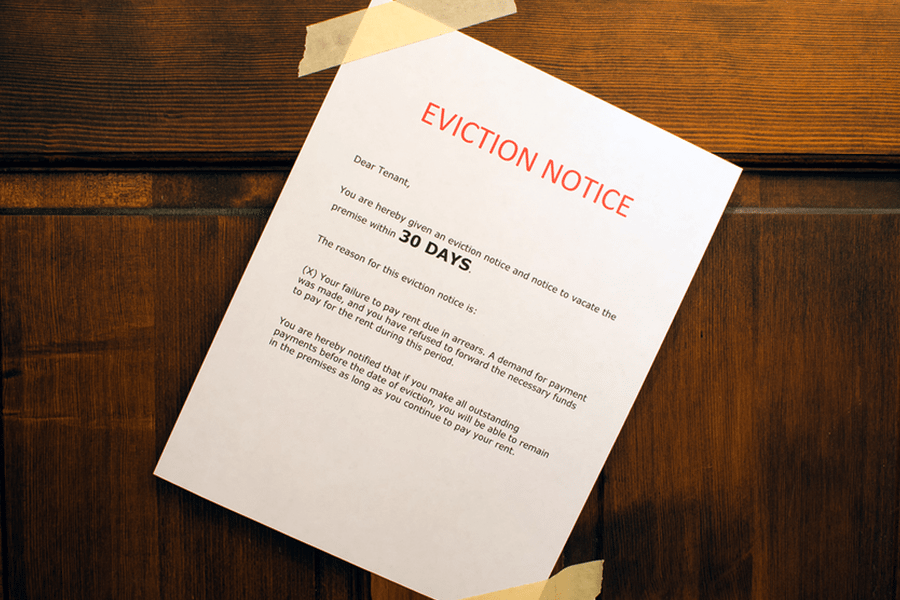
- "No-fault" Section 21 evictions have ended. Landlords must use specific Section 8 grounds, such as rent arrears or wanting to sell, with the correct notice.
- Only a court bailiff can evict you, after a court order. Changing the locks or removing your belongings without one is illegal eviction.
- If you receive any notice, get advice immediately from Shelter, Citizens Advice or your council. Councils have duties to help people threatened with homelessness within 56 days.
6. Keeping your benefits right
- Report changes in rent, address or household promptly on your Universal Credit journal.
- If your housing support doesn't cover the rent, ask the council about a Discretionary Housing Payment.
- If you fall behind, speak to your landlord early. Arranging direct payment can help prevent arrears from building.
Discriminated against? Here's what to do
If a landlord or agent refuses you because you're on benefits, keep evidence (adverts, emails, messages) and report it to your council or trading standards. You can also complain to the agent's redress scheme.
How Fraser Bond helps
We help tenants on Universal Credit and Housing Benefit find well-managed London homes with landlords who welcome them, and we explain every step of the process clearly.
Browse DSS-friendly properties → or talk to our team.
More DSS guides: 1-bed flats with no deposit · DSS letting agents · private landlords with no guarantor