HMO Emergency Lighting Installation - London and UK Landlord Guide
A comprehensive guide to HMO emergency lighting installation, highlighting compliance requirements, safety standards, and how Fraser Bond supports landlords in protecting tenants and property investments.
Introduction
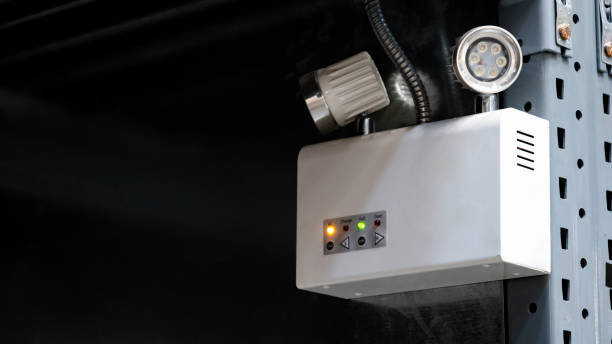
HMO emergency lighting installation is a critical fire safety measure for Houses in Multiple Occupation. Proper emergency lighting ensures tenants can safely evacuate in the event of a fire or power failure, and it is a legal requirement under HMO licensing and building regulations.
Fraser Bond provides professional HMO emergency lighting installation services across London and the UK, helping landlords maintain safe, compliant, and high-performing rental properties.
Why Emergency Lighting Matters in HMOs
Emergency lighting in HMOs provides:
-
Clear visibility for tenants during evacuations
-
Compliance with HMO licensing and building regulations
-
Reduced legal liability and enforcement risk
-
Enhanced protection of property and tenants
It is especially important in stairwells, corridors, communal areas, and exit routes.
Key Considerations for HMO Emergency Lighting Installation
Landlords must ensure emergency lighting meets the following standards:
-
Compliance with BS 5266 Standards – UK standard for emergency lighting design and installation
-
Coverage – All escape routes, stairways, corridors, and exit points must be illuminated
-
Backup Power Supply – Battery-operated or connected to emergency circuits to function during power outages
-
Regular Testing and Maintenance – Monthly checks and annual inspections to ensure reliability
-
Integration with Fire Safety Systems – Coordinated with smoke alarms, fire doors, and exit signage
Fraser Bond ensures all installations meet UK fire safety legislation and HMO licensing standards.
How Fraser Bond Supports HMO Emergency Lighting Installation
Fraser Bond offers end-to-end services:
-
Professional assessment of emergency lighting requirements for each HMO property
-
Supply and installation of compliant emergency lighting systems
-
Regular maintenance, testing, and safety audits
-
Guidance on licensing compliance and fire safety regulations
-
Portfolio-wide fire safety management for multi-property landlords
Professional installation ensures landlords protect tenants, meet legal obligations, and maintain property value.