Updated October 2026
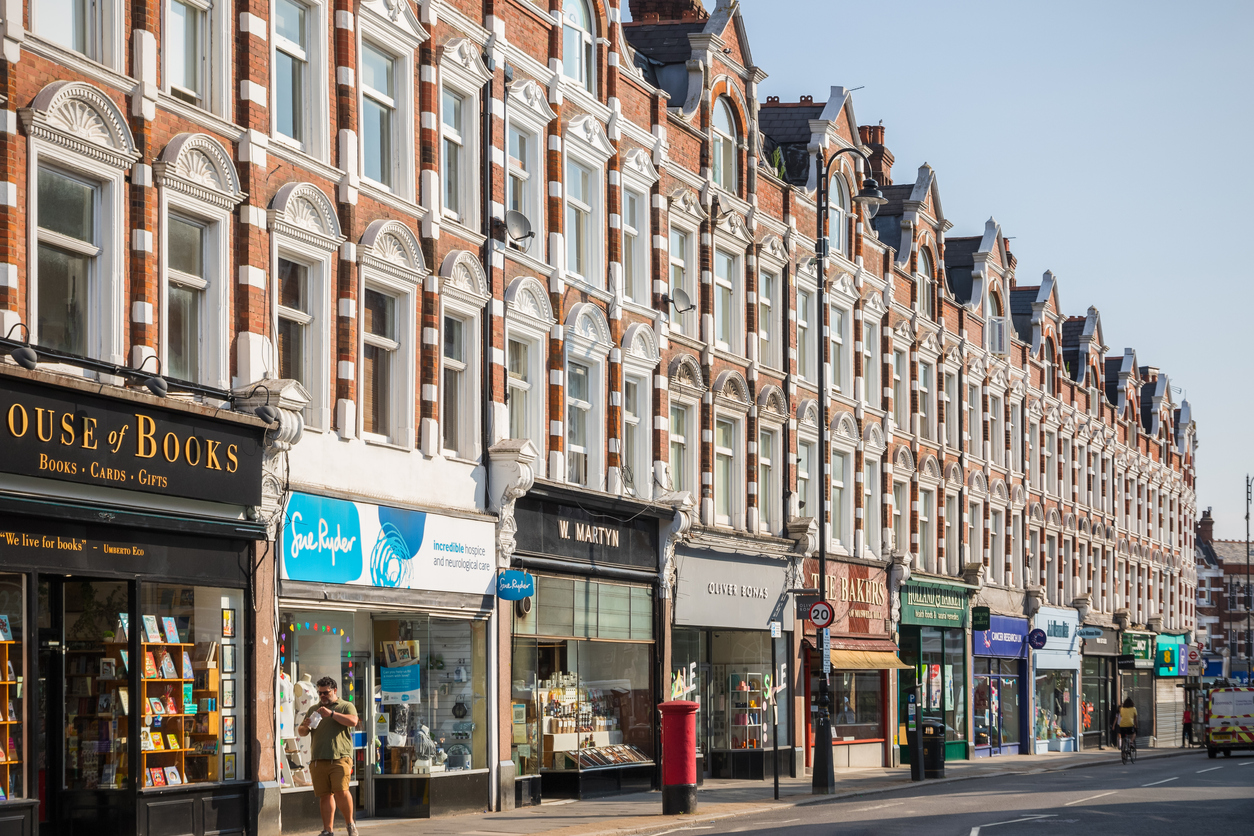
In short: A freehold convenience store gives you both the business and the building, often with a flat or maisonette above. That can mean lower occupancy costs and an asset that holds value even if trading changes. Value depends on turnover, gross margin, services such as Post Office or lottery, the premises licence for alcohol, and the condition of the building.
| What to assess | Why it matters |
|---|---|
| Turnover and gross margin | Margin, not turnover, drives profit; check tobacco and lottery share |
| Symbol group or independent | Supply terms, branding, contracts and exit clauses |
| Premises licence and designated premises supervisor | Alcohol sales are often essential to profitability |
| Services (Post Office, PayPoint, lottery) | Footfall drivers; check contracts transfer |
| Flat above | Owner's accommodation or extra rental income |
| Building condition | Refrigeration, roof, shopfront, fire safety |
Due diligence checklist
- Three years of accounts, VAT returns and EPOS data
- Supplier invoices to verify margins
- Staff contracts and TUPE
- Licences and any history of breaches
- Title, planning use and any restrictive covenants
- Survey, EPC and refrigeration condition
- Local competition and planned developments
How Fraser Bond helps
| 1 | Brief Location, budget, experience and whether you'll live above. |
| 2 | Source Freehold stores and mixed-use shops with flats. |
| 3 | Appraise Business value, property value and rental value of any flat. |
| 4 | Complete Negotiation, licence transfers and handover. |
Looking for a freehold convenience store?
Tell us your criteria and we'll find suitable opportunities.
Speak to our teamRelated guides
Fraser Bond services: Commercial · Investment · Contact us