Regional Demand for Healthcare and Residential Care in the UK
1. South East England (Highest Combined Demand Growth)
Key areas:
- Kent (Medway, Thanet, Dartford)
- Essex (Basildon, Southend, Thurrock)
- Surrey (Woking, Redhill, Guildford fringe)
- Berkshire (Slough, Reading outskirts)
Why demand is high:
- Rapid population growth plus strong ageing trend
- Large retired population moving into coastal and commuter towns
- GP shortages combined with rising elderly care needs
Care demand pattern:
- Strong demand for assisted living and extra-care housing
- High need for step-down care from hospitals
- Pressure on both NHS services and private care homes
2. London Outer Boroughs (High Density Ageing + Health Pressure)
Key areas:
- Barnet
- Bromley
- Havering
- Bexley
- Enfield
- Harrow
Why demand is high:
- Large absolute elderly population due to scale
- Ageing residents remaining in family homes
- NHS discharge delays increasing need for care beds
Care demand pattern:
- Urban care homes with high dependency support
- Dementia care facilities
- Assisted living apartments near transport routes
3. Coastal Retirement Belt (Fastest Ageing Concentration)
Key areas:
- Bournemouth and Poole
- Eastbourne
- Worthing
- Southend-on-Sea
- Blackpool
- Great Yarmouth
- Isle of Wight
Why demand is high:
- One of the highest proportions of residents aged 75+ in the UK
- Continuous inflow of retirees from London and South East
- Existing care homes already operating near full capacity
Care demand pattern:
- Residential care homes and nursing facilities
- Assisted living complexes
- Dementia specialist care units
4. Midlands (High Health Need + Large Ageing Base)
Key areas:
- Birmingham suburbs (Sutton Coldfield, Erdington outskirts)
- Coventry
- Wolverhampton
- Leicester outskirts
- Stoke-on-Trent
Why demand is high:
- Large ageing industrial population
- Higher rates of long-term illness and chronic conditions
- Existing care infrastructure often outdated
Care demand pattern:
- Medium to large nursing homes
- Integrated healthcare + care facilities
- Rehabilitation and step-down care centres
5. Northern England (High Demand per Capita)
Key areas:
- Manchester (Oldham, Stockport, Salford)
- Liverpool suburbs
- Bradford
- Hull
- Sunderland
- Middlesbrough
Why demand is high:
- Deindustrialised regions with ageing populations
- Higher deprivation increases care dependency
- Shortage of modern care home stock
Care demand pattern:
- Dementia-focused care homes
- Regeneration-linked residential care developments
- Multi-service elderly care hubs
6. Rural UK (Severe Access and Workforce Gaps)
Key areas:
- Cumbria
- Lincolnshire
- Northumberland
- Shropshire
- Herefordshire
- Devon and Cornwall inland
- Rural Wales
Why demand is high:
- Older populations remaining in rural communities
- Limited access to hospitals and GP services
- Difficulty recruiting care workers
Care demand pattern:
- Small-to-medium care homes
- Satellite assisted living schemes
- Community-integrated care housing
7. Key National Trend (What is Driving Demand)
Across the UK, care and healthcare demand is rising due to:
- Rapid growth in the over-75 and over-85 population
- Care home supply growing much slower than demand
- Increased hospital discharge delays pushing patients into social care
- Rising dementia and long-term condition prevalence
- Decline in informal family care availability
This creates a structural gap between:
- NHS healthcare capacity
- Residential care availability
- Assisted living housing supply
Strategic Insight for Investors and Developers
The strongest regional opportunities are:
- Coastal retirement towns (highest elderly concentration)
- South East commuter belt (fastest growth in ageing population)
- Outer London boroughs (high absolute demand)
- Northern regeneration cities (undersupply of modern care stock)
- Rural counties (access-driven demand gaps)
Best-performing asset types:
- Converted hotels and large residential buildings
- Former hospitals and care institutions
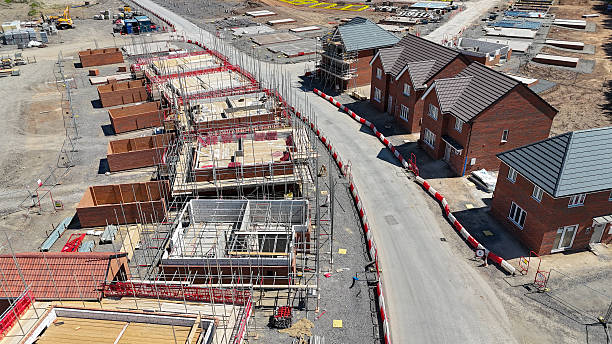
- New-build assisted living developments
- Suburban care home conversions
Fraser Bond Insight
Fraser Bond can support:
- Identifying UK regions with highest care demand growth
- Sourcing buildings suitable for care home or assisted living conversion
- Advising on planning permission for C2 care use development
- Supporting acquisition of hotels, offices, and large residential assets for care conversion
- Connecting investors with care operators and healthcare tenant