UK Areas with High Demand for Wellness and Fitness Services
1. London (Highest Demand + Strongest Spending Power)
Key areas:
- West London: Kensington, Chelsea, Hammersmith, Ealing
- North London: Islington, Camden, Barnet
- East London: Stratford, Canary Wharf, Hackney, Walthamstow
- South West London: Clapham, Wimbledon, Richmond
Why demand is high:
- Dense population with high disposable income in many districts
- Strong focus on lifestyle, fitness, and appearance
- Rapid growth of boutique fitness and Pilates studios
- High concentration of working professionals and young adults
Market insight:
- London has the highest concentration of boutique studios in the UK, especially Pilates, yoga, and premium wellness services, driven by affluent demographics and lifestyle trends.
Best opportunities:
- Boutique gyms and reformer Pilates studios
- Recovery and wellness centres (sauna, ice bath, physiotherapy)
- High-end fitness clubs in mixed-use developments
2. South East England Commuter Belt (Fast Growth Wellness Demand)
Key areas:
- Reading
- Slough
- Watford
- Guildford
- Crawley
- Milton Keynes
- Luton
Why demand is high:
- High commuter population with stressful work lifestyles
- Growing residential developments
- Increasing focus on health, recovery, and stress management
Market insight:
- Demand is shifting toward wellness-focused fitness such as Pilates, yoga, and functional training as consumers prioritise holistic health and mental wellbeing.
Best opportunities:
- Mid-range gyms in retail parks
- Wellness studios near transport hubs
- Hybrid fitness + recovery centres
3. Midlands Urban Centres (Underserved but High Population)
Key areas:
- Birmingham (city centre and suburbs like Edgbaston, Sutton Coldfield)
- Coventry
- Leicester
- Wolverhampton
Why demand is high:
- Large population base with growing health awareness
- Lower per-capita availability of premium fitness services compared to London
- Strong demand for affordable gyms and community wellness spaces
Best opportunities:
- Large gyms in converted retail units
- Mixed fitness + health clubs
- Budget-to-mid-range fitness chains
4. Northern England Cities (Strong Value-Growth Fitness Market)
Key areas:
- Manchester (Salford, Trafford, Stockport)
- Liverpool (city centre and suburbs)
- Leeds
- Sheffield
- Bradford
Why demand is high:
- Large young population in cities like Manchester and Leeds
- Strong growth of boutique fitness and CrossFit-style gyms
- Regeneration areas driving new residential demand
Market insight:
- Independent and boutique fitness providers are growing quickly as consumers shift toward personalised wellness experiences.
Best opportunities:
- Industrial gym conversions
- Boutique studios in regenerated high streets
- Community wellness hubs
5. Coastal and Retirement Towns (Wellness + Ageing Demand)
Key areas:
- Bournemouth
- Brighton
- Eastbourne
- Southend-on-Sea
- Blackpool
Why demand is high:
- Older population seeking low-impact fitness and wellness services
- Growing demand for rehabilitation, mobility, and recovery services
- Seasonal wellness tourism in some areas
Best opportunities:
- Gentle fitness studios (Pilates, yoga, mobility training)
- Wellness + physiotherapy centres
- Small boutique wellness studios
6. Regeneration Zones (Fastest Emerging Wellness Markets)
Key areas:
- Stratford (London)
- Birmingham Smithfield
- Manchester Northern Quarter
- Leeds South Bank
- Old Oak Common
Why demand is high:
- New residential populations with younger demographics
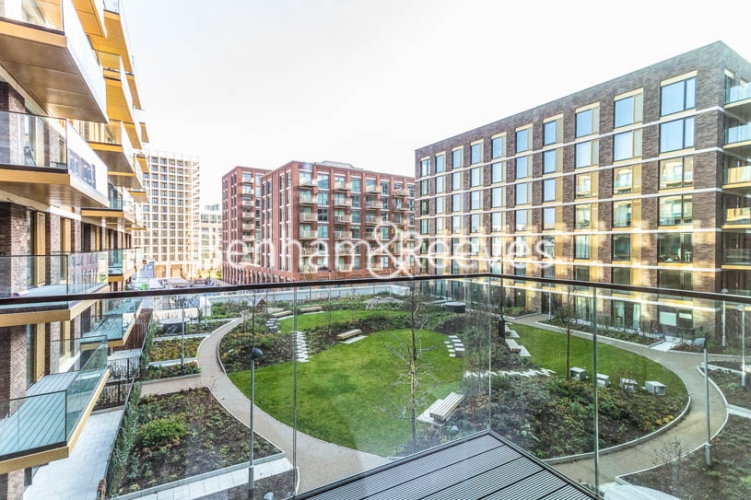
- Mixed-use developments integrating lifestyle amenities
- Strong developer requirement for wellness offerings
Best opportunities:
- Premium gyms in mixed-use developments
- Wellness anchor tenants in new residential schemes
- Hybrid fitness + coworking wellness spaces
Key UK Wellness Demand Pattern
Across the UK, wellness and fitness demand is driven by:
1. Urban lifestyle stress (London and major cities)
High demand for recovery, Pilates, yoga, and premium gyms
2. Commuter lifestyle pressure (South East)
Demand for convenience-based fitness near transport and housing
3. Health inequality and regeneration (North & Midlands)
Strong demand for affordable gyms and community wellness centres
4. Ageing population (Coastal towns)
Demand for low-impact fitness, mobility, and rehabilitation services
Commercial Property Insight
The most suitable properties for wellness and fitness services are:
- Vacant retail units in high streets
- Retail parks with parking access
- Converted industrial units (especially for CrossFit and strength training)
- Office buildings in commuter zones
- Mixed-use regeneration developments
Fraser Bond Insight (Wellness Property Strategy)
Fraser Bond can support:
- Identifying UK locations with high wellness and fitness demand
- Sourcing retail, office, and industrial units suitable for gym conversion
- Advising on planning permission for leisure and wellness use
- Supporting landlord-to-operator leasing for gym and studio brands
- Coordinating refurbishment and fit-out for wellness facilities