Updated October 2026
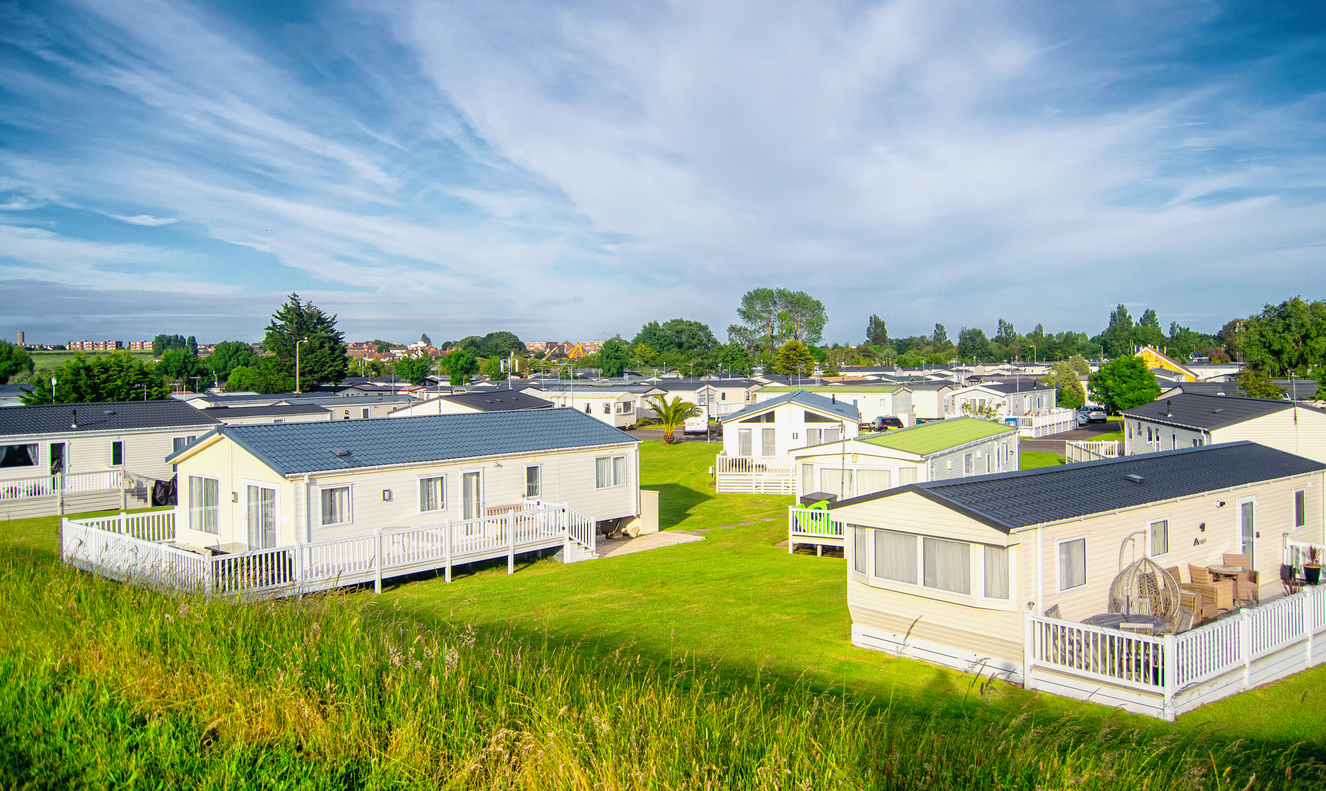
In short: Caravan parks fall into two main types. Holiday parks earn from pitch fees, caravan sales and lettings, usually within a seasonal licence. Residential park home sites are people's permanent homes, regulated by the Mobile Homes Act 1983, with pitch fees, residents' rights and commission on sales. The site licence and planning permission set what you can do.
| Feature | Holiday park | Residential park home site |
|---|---|---|
| Occupation | Holiday use; often seasonal | Permanent homes, year-round |
| Income | Pitch fees, caravan sales, lettings, bar or shop | Pitch fees, commission on home sales (up to 10%) |
| Regulation | Planning conditions and site licence | Mobile Homes Act 1983, site licence, fit and proper person test |
| Key risk | Seasonality, occupancy, holiday-use breaches | Residents' rights, pitch fee reviews, compliance |
| Growth levers | New pitches, lodges, extended season | Infill pitches, new homes sales |
Due diligence checklist
- Planning permission and site licence conditions (pitch numbers, season, spacing)
- Fit and proper person registration for residential sites in England
- Pitch agreements and pitch fee review history
- Occupancy and caravan sales data for holiday parks
- Infrastructure: roads, drainage, electricity and water
- Flood risk and coastal erosion where relevant
- Accounts, staff and any disputes with residents
How Fraser Bond helps
| 1 | Brief Park type, region, budget and operating model. |
| 2 | Source Holiday and residential parks, including off-market. |
| 3 | Appraise Income, licences, infrastructure and growth potential. |
| 4 | Acquire Negotiation and coordination with specialist advisers. |
Looking for a caravan park?
Talk to us about opportunities and the checks that matter.
Speak to our teamRelated guides
Fraser Bond services: Investment · Commercial · Contact us