Buildings Suitable for Conversion into Healthcare Facilities (UK)
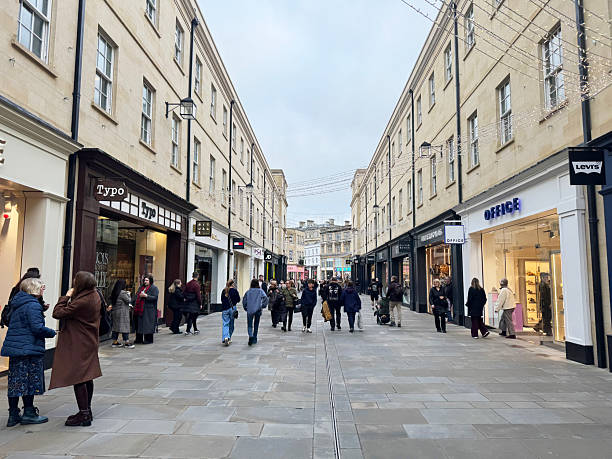
1. Vacant Retail Units in High-Street or Neighbourhood Centres
Best locations:
- Outer London high streets (Croydon, Ilford, Wembley, Lewisham)
- Midlands town centres (Coventry, Leicester, Birmingham suburbs)
- Northern high streets (Bradford, Sunderland, Bolton, Hull)
Why they work:
- Ground-floor access (essential for patients, ambulances, disabled access)
- Existing plumbing and open-plan layouts
- High footfall locations already familiar to residents
Typical conversion uses:
- GP surgeries
- Private clinics (dentistry, dermatology, physiotherapy)
- Diagnostic centres (blood testing, imaging, MRI pods)
- Urgent care walk-in centres
Key advantage:
- Fast planning conversion compared to structural rebuilds
- Often located in under-doctored communities
2. Former Office Buildings (Mid-Rise and Low-Rise)
Best locations:
- London fringe (Hounslow, Stratford, Croydon, Enfield)
- Reading, Slough, Watford corridors
- Birmingham city outskirts
Why they work:
- Open floor plates suitable for partitioning consulting rooms
- Existing lift access and accessibility compliance potential
- Strong transport links for patients and staff
Common healthcare conversion types:
- Multi-GP practices
- Specialist outpatient centres
- Mental health and counselling hubs
- Private healthcare facilities
Market trend:
- Many older offices are being repurposed due to hybrid working shifts (office-to-healthcare reuse alongside office-to-residential trends)
3. Light Industrial Units in Urban Fringe Estates
Best locations:
- North and East London industrial estates (Barking, Tottenham, Edmonton)
- Manchester Trafford Park fringe zones
- Birmingham Tyseley / Aston industrial belts
- Leeds Seacroft and Hunslet estates
Why they work:
- Large floor plates allow flexible clinic layouts
- High ceilings (good for ventilation and medical fit-outs)
- Parking availability (critical for patient access)
Typical conversion uses:
- Multi-service medical hubs
- NHS contractor clinics
- Imaging and diagnostic centres
- Private surgical day units
Key advantage:
- Often cheaper per sq ft than retail or office conversions
4. Former Banks, Post Offices, and Civic Buildings
Best locations:
- UK town centres and suburban parades
- Decommissioned civic buildings in council estates
- Secondary high streets
Why they work:
- Strong structural build quality
- Existing secure rooms (useful for pharmacies, controlled storage)
- Prominent street visibility
Typical healthcare use:
- GP satellite clinics
- Pharmacy + consultation hybrid units
- Small urgent care centres
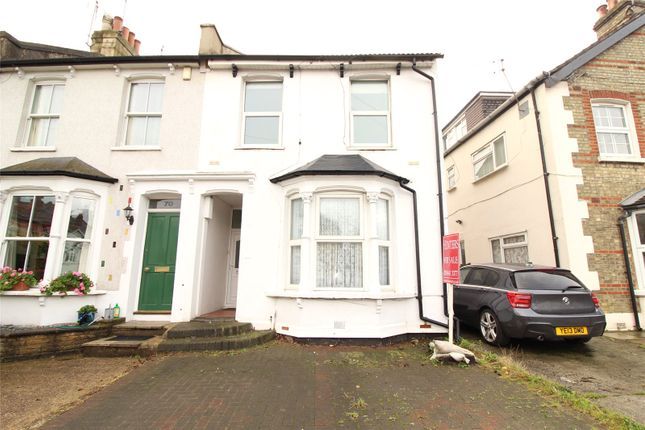
5. Large Residential Conversions (Converted Houses or Villas)
Best locations:
- Wealthier suburban zones (Chiswick, Wimbledon, Richmond, Harrow)
- Commuter towns (Guildford, St Albans, Chelmsford)
Why they work:
- Already configured as smaller-room structures
- Quiet environments suitable for consultations
- Strong private healthcare demand base
Typical uses:
- Private GP practices
- Fertility clinics
- Mental health and therapy centres
- Specialist consultant rooms
6. Former Warehouses or Big-Box Retail Units
Best locations:
- Retail park vacancies (edge-of-town sites)
- Out-of-town logistics zones
- Near motorway junctions (M1, M25, M6, M62 corridors)
Why they work:
- Massive floor space for integrated healthcare campuses
- Parking capacity for high patient volumes
- Easy ambulance and logistics access
Typical conversion uses:
- Full diagnostic hospitals
- Imaging centres (MRI/CT)
- Surgical day-care units
- Hybrid NHS/private treatment hubs
Trend:
- Increasing reuse of retail parks as healthcare + leisure mixed-use sites due to retail decline pressures
7. Transport-Connected Buildings (Stations & Transit Hubs)
Best locations:
- London rail corridors (Clapham Junction, Stratford, Euston fringe)
- Manchester Piccadilly / Victoria surroundings
- Birmingham New Street vicinity
Why they work:
- Maximum accessibility for patients across wider catchment areas
- High footfall and commuter accessibility
- Suitable for rapid-turnover medical services
Typical uses:
- Walk-in clinics
- Travel health centres
- Occupational health services
- Diagnostic pods
8. New-Build Mixed-Use Developments (Developer-Led Healthcare Provision)
Best locations:
- Large housing schemes in London and South East
- Regeneration zones (Old Oak Common, Barking Riverside, Woolwich)
- New towns and expansion areas (Milton Keynes, Ebbsfleet)
Why they work:
- Planning obligations (Section 106 healthcare requirements)
- Built-in patient demand from new residents
- Designed for modern medical compliance standards
Typical uses:
- Integrated GP + pharmacy + diagnostics centres
- NHS primary care hubs
- Private healthcare anchor tenants
Key Selection Criteria for Healthcare Conversion Buildings
Across all UK regions, the most suitable buildings typically have:
1. Accessibility
- Ground floor or lift access
- Disabled access compliance potential
2. Layout flexibility
- Open-plan or easily partitioned space
- Ability to create consulting rooms, reception, treatment areas
3. Infrastructure
- Strong electrical capacity
- Ventilation and plumbing adaptability
4. Location demand
- High patient catchment density
- Areas with GP shortages or long waiting lists
5. Parking / transport access
- Critical for suburban and diagnostic centres
Strategic Insight (UK Healthcare Property Trend)
The UK healthcare property market is shifting toward:
- Conversion of retail → medical hubs
- Reuse of offices → GP & outpatient centres
- Expansion of industrial estates → diagnostic campuses
- Integration of healthcare into residential developments
This is being driven by:
- NHS capacity constraints
- Population growth in commuter belts
- Rising demand for private healthcare services
- Planning policy pushing community healthcare provision
Fraser Bond Insight (Healthcare Conversion Opportunity)
Fraser Bond can support property owners, investors, and developers with:
- Identifying buildings suitable for healthcare conversion
- Assessing planning feasibility for medical use class changes
- Sourcing GP surgery and clinic tenants
- Coordinating refurbishment and medical-grade fit-outs
- Advising on healthcare-led regeneration projects in London and UK cities