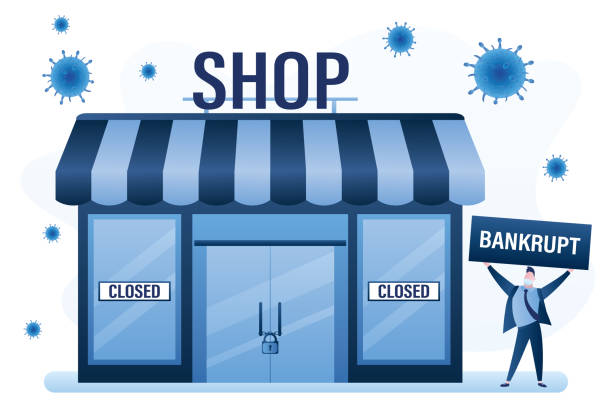
The COVID-19 pandemic transformed the global retail industry, changing consumer behaviour, accelerating digital adoption, disrupting supply chains, and forcing retailers to rethink their business models. While many retailers faced unprecedented challenges during lockdowns, the pandemic also created new opportunities through e-commerce, omnichannel retailing, and changing customer expectations. Fraser Bond explores how the pandemic affected the retail sector and what businesses can learn for the future.
How the Pandemic Changed Retail
The retail industry experienced one of its most significant disruptions in modern history. Government restrictions, social distancing measures, and changing consumer priorities dramatically altered the way people shopped.
Physical stores were forced to close during lockdown periods, while online shopping experienced record growth. Retailers that already had strong digital platforms adapted more quickly than businesses relying solely on high street sales.
The pandemic highlighted the importance of flexibility, technology, and customer engagement in an increasingly competitive retail market.
Decline in High Street Footfall
One of the most immediate effects was a sharp decline in customer footfall.
Retailers experienced:
- Temporary store closures
- Reduced shopping hours
- Capacity restrictions
- Lower tourist numbers
- Fewer office workers in city centres
- Reduced impulse purchasing
Shopping destinations that depended heavily on commuters and international visitors, including London's West End, experienced substantial reductions in customer traffic during the height of the pandemic.
Although footfall has improved since restrictions ended, many shopping districts continue adapting to new consumer habits.
Growth of Online Shopping
Perhaps the biggest change was the rapid growth of e-commerce.
Consumers increasingly purchased:
- Clothing
- Electronics
- Groceries
- Furniture
- Home improvement products
- Beauty products
- Luxury goods
Retailers invested heavily in:
- Online stores
- Mobile applications
- Click and collect services
- Home delivery
- Contactless payments
- Digital customer support
Many businesses accelerated digital transformation plans that would otherwise have taken several years.
Omnichannel Retail Became Essential
The pandemic demonstrated that customers expect seamless shopping experiences across multiple channels.
Successful retailers combined:
- Physical stores
- Online shopping
- Mobile commerce
- Social media
- Click and collect
- Same-day delivery
- Virtual consultations
Omnichannel retail has since become a core business strategy rather than a competitive advantage.
Supply Chain Disruption
Global supply chains experienced severe disruption.
Retailers faced:
- Shipping delays
- Container shortages
- Manufacturing shutdowns
- Product shortages
- Increased transport costs
- Inventory management challenges
Many businesses reviewed their sourcing strategies and diversified suppliers to improve resilience against future disruptions.
Changing Consumer Behaviour
Consumer priorities shifted significantly during the pandemic.
Shoppers became more focused on:
- Convenience
- Health and safety
- Value for money
- Local businesses
- Sustainable products
- Home delivery
- Flexible return policies
Retailers adapted by improving customer service, enhancing digital experiences, and introducing contactless shopping options.
Impact on Commercial Property
The pandemic also affected retail property markets.
Many retailers:
- Renegotiated leases
- Reduced store portfolios
- Closed underperforming locations
- Opened smaller stores
- Increased investment in flagship locations
- Used pop-up shops to test new markets
Landlords became more flexible by offering:
- Shorter lease terms
- Turnover-based rents
- Rent-free periods
- Flexible occupation agreements
This created new opportunities for independent retailers and emerging brands.
Employment Challenges
Retail employment was heavily affected.
Businesses experienced:
- Temporary furlough arrangements
- Redundancies
- Labour shortages
- Skills shortages
- Increased recruitment in logistics
- Higher demand for warehouse staff
- Growth in delivery and fulfilment roles
As online retail expanded, employment shifted from traditional shop-floor positions towards warehousing, technology, digital marketing, customer support, and supply chain management.
Technology Adoption
Retailers accelerated investment in technology, including:
- Artificial intelligence
- Inventory management software
- Data analytics
- Customer relationship management systems
- Self-checkout technology
- Mobile payment solutions
- Digital marketing automation
- Personalised shopping experiences
Technology became central to improving operational efficiency and customer engagement.
Financial Impact
Many retailers experienced:
- Falling sales during lockdowns
- Increased operating costs
- Reduced profit margins
- Higher logistics expenses
- Increased investment in technology
- Cash flow pressures
However, retailers with strong digital operations often achieved significant online sales growth, helping offset losses from physical stores.
Retail Sectors That Benefited
Some retail categories experienced increased demand, including:
- Home improvement
- Consumer electronics
- Fitness equipment
- Home office furniture
- Grocery retail
- Health and wellness products
- Pet supplies
- Gardening products
These sectors benefited from changing lifestyles and increased time spent at home.
Lessons for the Future
The pandemic reinforced several key lessons for retailers:
- Build strong digital capabilities
- Invest in omnichannel retailing
- Diversify supply chains
- Improve inventory management
- Strengthen customer relationships
- Increase operational flexibility
- Use data to understand consumer behaviour
- Develop contingency planning
Retailers that embrace innovation and adapt to changing customer expectations are likely to remain more resilient in the future.
Fraser Bond's Commercial Property Services
Fraser Bond supports retailers, landlords, investors, and commercial occupiers with services including:
- Retail Property Leasing
- Shop Acquisition
- Commercial Property Sales
- Commercial Property Lettings
- Lease Negotiation
- Retail Investment Consultancy
- Property Management
- Development Consultancy
- Asset Management
- Portfolio Management
Our experienced consultants help retailers identify commercial property opportunities that support long-term growth in an evolving retail landscape.
If you are interested in opportunities in retail property, commercial real estate, property management, investment advisory, estate agency, customer service, administration, marketing, technology, logistics, or business development, Fraser Bond welcomes applications. Please send your CV to jobs@fraserbond.com.
Why Choose Fraser Bond?
Fraser Bond is a trusted UK commercial property consultancy supporting retailers, landlords, investors, and developers across London and the UK. We provide expert advice on retail property, commercial leasing, investment opportunities, and market trends to help businesses adapt to changing consumer behaviour and achieve long-term success.
Contact Fraser Bond today to discuss retail property opportunities, commercial leasing, and investment strategies for the evolving retail industry.