Find Underperforming Hospitality Assets to Acquire and Reposition in the UK
How investors identify underperforming hospitality assets
Underperforming hospitality assets are properties that have strong location fundamentals but weak operational performance or outdated positioning. These are often the best opportunities for value creation because performance issues are usually fixable through:
- Refurbishment and repositioning
- Operator change or lease restructuring
- Concept redesign (e.g., turning pub → gastropub or hotel → aparthotel)
- Better targeting of local demand (students, offices, tourism, nightlife)
Across the UK, a large pipeline of these assets exists due to changing consumer behaviour, rising costs, and outdated hospitality formats.
Fraser Bond helps investors identify where location strength is not matched by asset performance, creating repositioning opportunities.
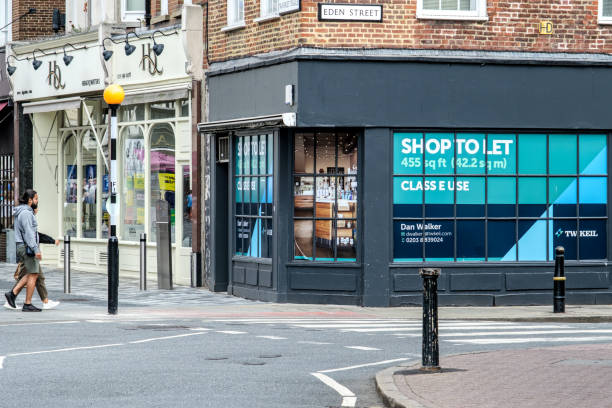
1. Secondary High Streets in London (Croydon, Ilford, Tottenham, Uxbridge)
Why these assets underperform
These areas often have:
- Strong population density but weak hospitality differentiation
- High takeaway dominance, low-quality sit-in venues
- Older pubs and restaurants with outdated layouts
- Underutilised upper floors or vacant space
Typical underperforming assets:
- Low-turnover high-street pubs
- Vacant restaurants near transport nodes
- Former casual dining chains (post-closure sites)
Repositioning opportunities:
- Convert pubs into gastro-pubs or hybrid dining spaces
- Add delivery kitchens upstairs or in basements
- Introduce modern casual dining or franchise brands
2. City Fringe Office Districts (London: Holborn, Aldgate, Farringdon outskirts)
Why these assets underperform
Despite strong location fundamentals:
- Reduced office occupancy from hybrid working
- Weak evening trade in older F&B units
- Outdated “sandwich shop + pub” formats
Key opportunity trend:
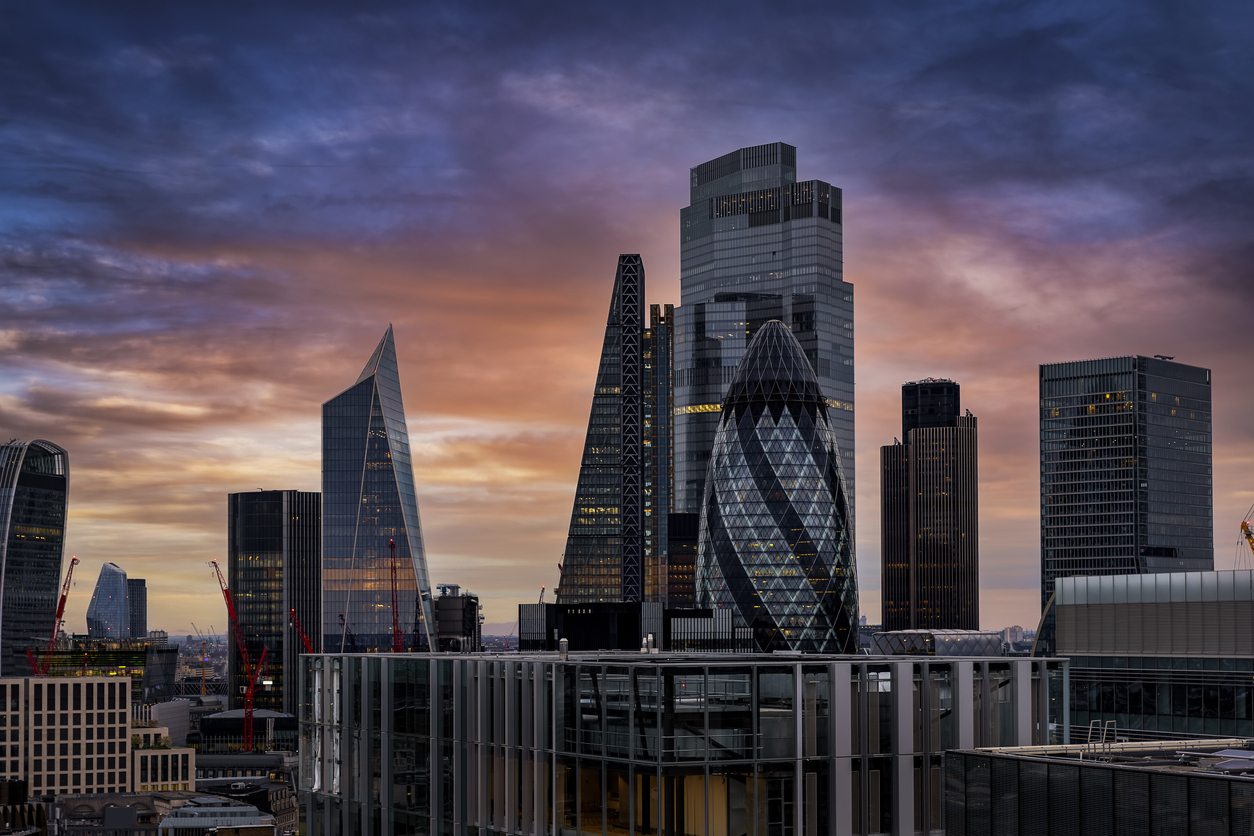
A large share of central London office stock is being repurposed into hotels or hospitality uses due to changing office demand patterns.
Typical underperforming assets:
- Old business cafés with declining lunch trade
- Weak-performing pubs without evening activation
- Vacant office ground-floor retail units
Repositioning opportunities:
- All-day dining + co-working hybrid spaces
- Boutique hospitality or aparthotel conversion
- Premium fast-casual lunch operators
3. Coastal Tourism Towns (Brighton outskirts, Blackpool, Southend, Weston-super-Mare)
Why these assets underperform
- Highly seasonal demand (summer peak, winter decline)
- Legacy hospitality businesses with outdated branding
- Low reinvestment from existing operators
- High competition in short trading seasons
Typical underperforming assets:
- Failing guesthouses and small hotels
- Old seaside pubs with declining footfall
- Closed entertainment venues near seafronts
Repositioning opportunities:
- Boutique hotels with experiential positioning
- Wellness or lifestyle hospitality concepts
- Year-round dining repositioning (brunch, events, co-working cafés)
4. Regional City Centres (Birmingham, Manchester fringe, Leeds outskirts)
Why these assets underperform
Even in strong cities, underperformance occurs due to:
- Poor micro-location within city centre
- Oversupply of generic chain restaurants
- Lack of concept differentiation
- Weak evening activation outside core nightlife zones
Typical underperforming assets:
- Former chain restaurants (post-restructuring closures)
- Low-performing pubs in secondary streets
- Vacant leisure units in retail centres
Repositioning opportunities:
- Concept-led independent restaurants
- Bar + food hybrid venues
- Experience-driven hospitality (live music, themed dining)
5. Transport-adjacent assets without office integration
Why these assets underperform
Not all transport locations succeed — underperformance happens when:
- High commuter flow exists but no office density nearby
- Retail units rely only on passing traffic
- Poor breakfast/lunch activation strategy
Typical underperforming assets:
- Small cafés inside stations with weak dwell time
- Bars near stations with no after-work demand
- Retail units in transit hubs without nearby offices
Repositioning opportunities:
- Grab-and-go premium food concepts
- Coffee + breakfast chain repositioning
- Extended-hour casual dining targeting commuters
6. Large branded hospitality closures (pubs & casual dining estates)
Why these assets underperform
Recent UK hospitality restructuring has led to:
- Closure of hundreds of branded restaurants and pubs
- Shift away from low-margin dining formats
- Conversion of some restaurants into hotel space due to better returns
Example trend:
Major hospitality groups are restructuring portfolios and exiting standalone restaurant formats to focus on hotels and higher-margin operations.
Typical underperforming assets:
- Former branded pubs (Beefeater/Brewers Fayre-type sites)
- Casual dining chains in secondary locations
- Large-format restaurants with high overheads
Repositioning opportunities:
- Split-unit redevelopment (multiple smaller operators)
- Turnaround gastropub concepts
- Conversion to hotel + F&B hybrid models
7. Regeneration zones with lagging hospitality activation
Why these assets underperform
Regeneration areas often show:
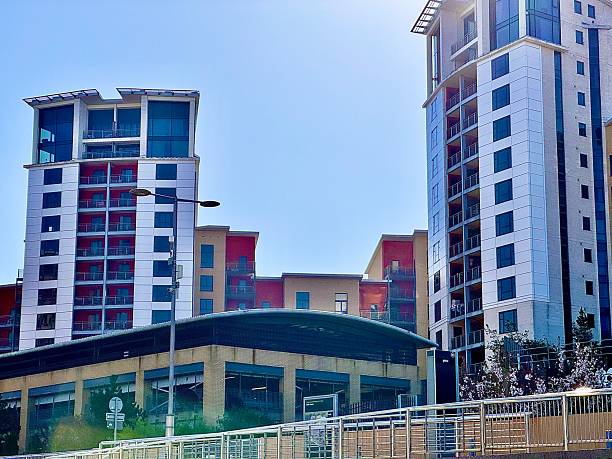
- Strong residential growth but delayed commercial uptake
- Misalignment between population and hospitality mix
- Early-stage operators struggling with rent vs revenue balance
Typical underperforming assets:
- Empty ground-floor retail units in new developments
- Early-generation restaurants with weak branding
- Poorly activated waterfront units
Repositioning opportunities:
- Lifestyle cafés and brunch concepts
- Delivery-first dark kitchen hybrids
- Community-led hospitality spaces
What makes a strong repositioning opportunity
Across all UK regions, the best underperforming hospitality assets share:
- Prime or improving location fundamentals
- Visible decline in current operator performance
- Flexible lease or freehold structure
- Strong surrounding demand drivers (residential, tourism, office)
- Ability to change format (restaurant → bar, pub → hybrid, retail → F&B)
Common investor mistakes
Many investors miss value because they:
- Focus only on visible failure instead of location potential
- Ignore micro-location footfall patterns
- Overestimate refurbishment cost vs yield uplift
- Fail to reposition concept, only renovate interiors
- Do not align offering with local demographic shifts
How Fraser Bond supports asset repositioning strategy
Fraser Bond works with investors to:
- Identify underperforming hospitality assets across UK cities
- Analyse footfall, competition, and demand gaps
- Source off-market distressed hospitality opportunities
- Advise on refurbishment, rebranding, and repositioning strategy
- Coordinate planning, compliance, and redevelopment works
- Match assets to operators or new hospitality concepts
Conclusion
The strongest UK opportunities lie in underperforming hospitality assets located in structurally strong areas — especially where demand exists but the concept, operator, or format is outdated.
Key opportunity zones include:
- Secondary London high streets
- City fringe office districts
- Coastal tourism towns
- Regional city centre fringe locations
- Transport hubs without office integration
- Regeneration zones with lagging activation
- Branded hospitality closures
Fraser Bond helps investors identify where location strength can be unlocked through strategic repositioning and operational improvement.