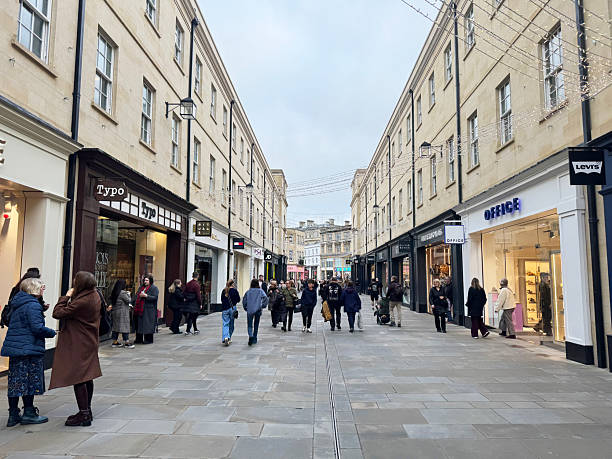
Locate Sites for Boutique Hotels in High Footfall Areas in the UK
How boutique hotel investors identify prime high-footfall locations
Boutique hotels perform best in locations with high pedestrian traffic, strong cultural appeal, dense leisure activity, and year-round visitor flow. Unlike large chain hotels that rely heavily on corporate demand, boutique hotels depend on experience-driven travel, walkability, and neighbourhood identity.
In the UK, the strongest boutique hotel sites are typically found in historic districts, regenerated urban quarters, entertainment zones, and transport-linked cultural hubs where visitors naturally spend time on foot.
Fraser Bond supports hotel investors and developers in sourcing high-footfall sites, assessing planning feasibility, and identifying conversion opportunities for boutique hospitality projects.
1. Soho, Covent Garden & Leicester Square (London West End)
Highest pedestrian tourism density in the UK
This is the most reliable boutique hotel zone in London.
Why it works:
- Extremely high daily footfall from international tourists
- Theatre, dining, and nightlife concentrated in walkable radius
- Constant evening and weekend activity
- Strong global brand recognition
Site opportunities:
- Converted townhouses
- Narrow infill plots
- Mixed-use buildings above retail units
- Redevelopment of older commercial stock
Best boutique positioning:
- Luxury lifestyle hotels
- Design-led compact hotels
- Theatre district experiential stays
2. Shoreditch & Spitalfields (East London creative hub)
One of London’s strongest boutique hotel ecosystems
Why it works:
- High footfall from nightlife and dining scene
- Strong weekend tourism demand
- Creative and tech-sector visitor base
- Heavy international “experience travel” traffic
Site opportunities:
- Former warehouses
- Industrial-to-hotel conversions
- Mixed-use creative buildings
- Infill regeneration plots
This area is ideal for design-led boutique hotels with strong branding and social appeal.
3. South Bank & Bankside (River Thames tourism corridor)
High leisure footfall from landmark tourism
Why it works:
- London Eye, Tate Modern, Borough Market
- Strong riverfront pedestrian flows
- Cultural tourism concentrated in compact area
- Consistent daily visitor traffic
Site opportunities:
- Riverside redevelopment plots
- Converted office buildings
- Mixed-use hospitality projects
- Underused commercial units near attractions
Best boutique positioning:
- Arts-focused hotels
- Riverside lifestyle hotels
- Culture-themed boutique stays
4. Notting Hill & Portobello Road (premium lifestyle footfall zone)
High-value boutique tourism destination
Why it works:
- Strong weekend footfall from markets and retail streets
- International tourism appeal
- High-end residential + retail mix
- Strong visual identity and Instagram-driven tourism
Site opportunities:
- Converted residential terraces
- Small infill redevelopment sites
- Mixed-use high street units
Best boutique positioning:
- Luxury boutique hotels
- Heritage townhouse conversions
- High-end experiential stays
5. Camden Town (entertainment + youth tourism hotspot)
High-volume experiential tourism zone
Why it works:
- Heavy daily tourist footfall
- Music, nightlife, and market culture
- Strong youth and international backpacker demand
- Year-round visitor activity
Site opportunities:
- Former pubs and commercial buildings
- Retail-to-hotel conversions
- Canal-side redevelopment plots
Best boutique positioning:
- Lifestyle hotels
- Music-themed boutique stays
- Affordable boutique hybrid hotels
6. King’s Cross & Coal Drops Yard (regeneration + transport hub)
High footfall from mixed tourism and commuter flows
Why it works:
- Eurostar arrivals and rail interchange
- High-density retail and leisure development
- Strong weekday + weekend balance
- Modern regenerated public realm
Site opportunities:
- Redeveloped office buildings
- Mixed-use regeneration schemes
- Underutilised commercial assets
Best boutique positioning:
- Modern design hotels
- Business-leisure hybrid boutiques
- Premium midscale boutique hotels
7. Edinburgh Old Town & Royal Mile
One of the UK’s strongest boutique hotel markets outside London
Why it works:
- Extremely high pedestrian tourist traffic
- UNESCO heritage tourism destination
- Year-round cultural events and festivals
- Compact, walkable historic core
Site opportunities:
- Historic building conversions
- Former guesthouses and hotels
- Narrow infill heritage buildings
Best boutique positioning:
- Heritage boutique hotels
- Luxury historic conversions
- Festival-focused accommodation
8. Bath City Centre (heritage tourism hotspot)
High-value pedestrian tourism destination
Why it works:
- Roman and Georgian heritage tourism
- Strong weekend and short-stay demand
- Compact walkable city centre
- High-spending visitor profile
Site opportunities:
- Georgian townhouse conversions
- Mixed-use high street properties
- Heritage redevelopment sites
Best boutique positioning:
- Luxury heritage boutique hotels
- Wellness-focused boutique stays
- Romantic weekend stay hotels
9. Manchester Northern Quarter (urban creative district)
Strong boutique demand in regenerated city core
Why it works:
- High footfall from nightlife and retail
- Creative industry hub
- Strong weekend tourism demand
- Growing international visitor base
Site opportunities:
- Converted warehouses
- Former textile and industrial buildings
- Mixed-use regeneration sites
Best boutique positioning:
- Industrial-chic boutique hotels
- Urban lifestyle hotels
- Music and culture themed hotels
What defines a strong boutique hotel site in high footfall areas
Across all UK locations, strong boutique hotel sites share:
- Continuous pedestrian traffic (day + night)
- Strong cultural, retail, or nightlife anchors
- Walkable tourist attractions within 5–10 minutes
- Mixed visitor profile (tourists + locals + events)
- Buildings suitable for conversion or adaptive reuse
Boutique hotels perform best where experience replaces size as the competitive advantage.
Common mistakes in boutique hotel site selection
Investors often fail because they:
- Prioritise prestige over footfall intensity
- Choose areas with low evening activity
- Ignore weekend vs weekday demand cycles
- Underestimate conversion costs for older buildings
- Select sites without strong pedestrian visibility
How Fraser Bond supports boutique hotel development
Fraser Bond works with investors and developers to:
- Identify high-footfall boutique hotel sites across the UK
- Source off-market conversion opportunities
- Analyse pedestrian flow and tourism density
- Assess planning and change-of-use feasibility
- Support refurbishment and adaptive reuse strategy
- Align hotel concept with location demand profile
Conclusion
The best boutique hotel sites in the UK are located in areas where pedestrian tourism, cultural activity, and lifestyle-driven travel intersect continuously throughout the year.
Top high-footfall boutique hotel zones include:
- Soho, Covent Garden & Leicester Square
- Shoreditch & Spitalfields
- South Bank & Bankside
- Notting Hill & Portobello Road
- Camden Town
- King’s Cross regeneration zone
- Edinburgh Old Town
- Bath city centre
- Manchester Northern Quarter
Fraser Bond helps investors identify where footfall translates directly into occupancy, pricing power, and long-term boutique hotel performance.