Best Areas to Open a Restaurant in the UK Based on Footfall and Demand
How restaurant investors choose high-performing locations
Restaurant success in the UK is strongly driven by footfall density, customer type, and demand consistency across the week. The best locations are not always the cheapest or even the most famous — they are the areas where high pedestrian traffic aligns with spending power and repeat visitation.
High-performing restaurant zones typically combine:
- Strong daytime + evening footfall
- Mixed customer base (tourists, office workers, residents)
- Transport accessibility
- Entertainment or retail anchors
- High “dwell time” environments (people stay longer and spend more)
Fraser Bond supports hospitality investors and operators in identifying UK restaurant locations where demand is both high and commercially sustainable.
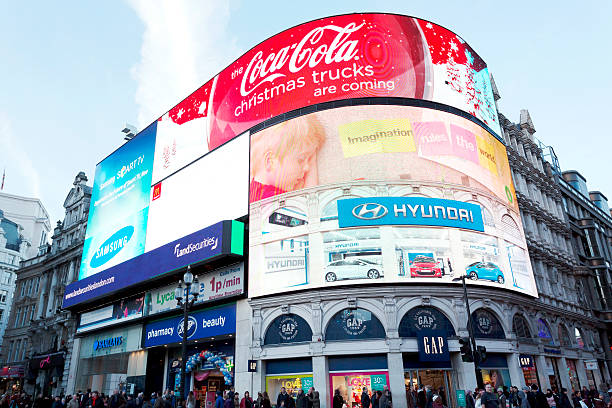
1. Soho, Covent Garden & Leicester Square (London West End)
Highest restaurant footfall concentration in the UK
This is the UK’s most powerful restaurant demand cluster.
Why demand is so strong:
- Continuous tourist flow all year
- Theatre and nightlife economy (evening spikes)
- Dense international visitor traffic
- High concentration of food, drink, and entertainment venues
Covent Garden and Soho are consistently identified as top-tier restaurant footfall zones in London due to their mix of leisure, culture, and tourism.
Best restaurant formats:
- Quick-service international brands
- Premium casual dining
- High-turnover concepts (small covers, fast seating)
2. South Bank & London Bridge (riverfront tourism corridor)
Strong mixed leisure + commuter demand
Why it works:
- Borough Market draws constant food tourism
- London Eye and cultural attractions
- Heavy weekend visitor flow
- Office worker lunch demand (weekdays)
Key advantage:
- Balanced demand across weekdays and weekends
- Strong “destination dining” behaviour
Best formats:
- Street food-inspired restaurants
- Casual dining concepts
- Premium grab-and-go outlets
3. King’s Cross & St Pancras (transport + regeneration hub)
One of London’s fastest-growing restaurant demand zones
Why demand is rising:
- Eurostar international arrivals
- Major rail interchange traffic
- Office + residential regeneration
- Increasing destination dining appeal
This area benefits from constant passenger movement + growing leisure dwell time, making it ideal for both fast casual and midscale dining.
Best formats:
- All-day dining
- Branded casual restaurants
- High-footfall grab-and-go concepts
4. Shoreditch, Old Street & Spitalfields (East London creative hub)
High weekend and evening restaurant demand
Why it performs:
- Strong nightlife and bar culture
- Creative and tech workforce density
- Weekend tourism and social dining
- Strong “experience-driven” food culture
Footfall type:
- Evening-heavy (dinner + drinks)
- Weekend lifestyle-driven traffic
Best formats:
- Trend-led independent restaurants
- Fusion and experiential dining
- Small plate / sharing concepts
5. Camden Town (entertainment + market tourism hotspot)
High-volume casual dining location
Why demand is strong:
- Camden Market tourist traffic
- Music and nightlife economy
- Heavy weekend visitor peaks
- Strong youth and international tourism
Footfall characteristics:
- Very high pedestrian density
- Weekend-heavy but consistent year-round flow
Best formats:
- Street food restaurants
- Fast casual dining
- Quick-service ethnic concepts
6. Manchester City Centre (Northern Quarter & Deansgate)
Strong regional restaurant demand outside London
Why it works:
- Large student and young professional population
- Major nightlife and entertainment scene
- Strong weekend tourism
- Regeneration-led footfall growth
Research shows UK city centre restaurant investment interest is strongly focused on cities like Manchester, Leeds, and Glasgow due to high-quality footfall and brand demand.
Best formats:
- Casual dining chains
- Independent experiential restaurants
- Late-night food concepts
7. Birmingham City Centre (Bullring, Broad Street, Digbeth)
High-volume retail + leisure footfall
Why demand is strong:
- Bullring shopping centre traffic
- Large student population
- Entertainment districts (Broad Street)
- Major events at NEC and city venues
Best formats:
- Midscale casual dining
- Family restaurants
- High-turnover fast food concepts
8. Edinburgh City Centre (Old Town & Royal Mile)
One of the UK’s strongest seasonal + cultural demand markets
Why it performs:
- Global tourism destination
- Festival-driven peak demand (Edinburgh Fringe)
- Compact walkable city centre
- Strong premium spending visitors
Best formats:
- Premium casual dining
- Scottish cuisine experiential restaurants
- Tourist-focused dining concepts
9. Liverpool Waterfront & City Centre
Strong tourism and nightlife-driven restaurant demand
Why demand is strong:
- Waterfront regeneration attracting visitors
- Football tourism (match days)
- Cruise terminal arrivals
- Music and cultural tourism
Best formats:
- Casual dining
- Bar-restaurant hybrids
- Destination waterfront dining
10. Bristol Harbourside & City Centre
High-spend lifestyle dining destination
Why it works:
- Strong young professional population
- Creative industry hub
- Weekend leisure dining culture
- High quality of life attracts repeat customers
Best formats:
- Independent restaurants
- Premium casual dining
- Brunch and lifestyle concepts
What defines a high-demand restaurant location in the UK
Across all successful sites, the strongest restaurant locations share:
- High pedestrian flow (daily + weekend consistency)
- Mixed customer base (tourists, workers, residents)
- Strong nearby anchors (retail, attractions, transport)
- Evening economy activity (not just daytime trade)
- Ability to generate repeat visits or high turnover
Recent analysis shows that successful restaurant locations are not just about volume, but about the type of footfall and how it matches the food concept.
Common mistakes when selecting restaurant locations
Many operators fail because they:
- Choose high rent areas without matching concept to demand type
- Ignore weekend vs weekday footfall patterns
- Overestimate tourist demand without local repeat trade
- Enter oversaturated restaurant streets
- Fail to consider delivery and takeaway demand flow
How Fraser Bond supports restaurant location strategy
Fraser Bond works with hospitality investors and operators to:
- Identify high-footfall restaurant locations across the UK
- Analyse demand patterns (tourism, business, residential)
- Source restaurant-ready commercial properties
- Assess lease viability and rental sustainability
- Support planning and fit-out coordination
- Align restaurant concepts with location demand profiles
Conclusion
The best restaurant locations in the UK are not just busy streets — they are high-footfall ecosystems where tourism, transport, nightlife, and residential demand overlap consistently.
Top-performing areas include:
- Soho, Covent Garden & Leicester Square
- South Bank & London Bridge
- King’s Cross & St Pancras
- Shoreditch & Camden
- Manchester, Birmingham, Edinburgh, Liverpool, and Bristol city centres
Fraser Bond helps operators identify where footfall translates into real revenue, not just visibility.