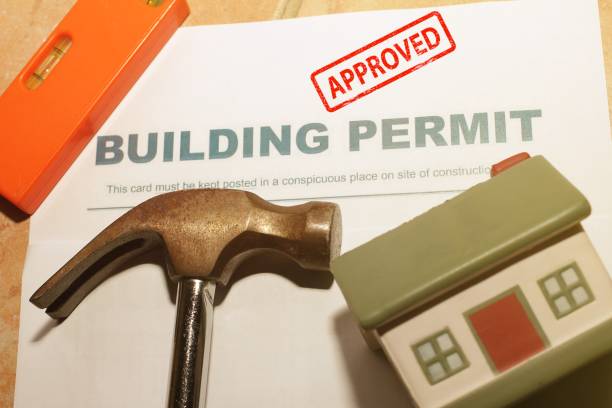
Learn about the Building Safety Act landlord's certificate, when it is required, and how it affects landlords, leaseholders, freeholders, developers, and managing agents. Fraser Bond explains the purpose of the landlord's certificate, leaseholder protections, and building safety compliance for residential properties in England.
Landlord's Certificate Building Safety
The Building Safety Act 2022 introduced major reforms to improve the safety of residential buildings and provide greater protection for qualifying leaseholders facing historical building safety remediation costs. One of the key documents introduced under the legislation is the Landlord's Certificate.
The landlord's certificate helps establish whether leaseholders qualify for statutory protections and whether landlords can recover certain historical remediation costs through the service charge. It is an important compliance document for landlords, freeholders, managing agents, developers, and leaseholders involved with qualifying residential buildings.
Fraser Bond supports landlords, investors, developers, and property owners with property management, compliance, building management, and investment advisory services across London and the UK.
What Is a Building Safety Landlord's Certificate?
A landlord's certificate is a legal document containing information about the landlord and the building. It is used to determine whether leaseholder protections under the Building Safety Act apply.
The certificate may include:
- Landlord identity
- Ownership information
- Corporate group structure
- Company details
- Financial information required under the legislation
- Building ownership history
- Information relevant to leaseholder protections
- Details required for remediation cost assessments
The information provided assists in determining responsibility for qualifying historical building safety remediation costs.
When Is a Landlord's Certificate Required?
A landlord's certificate may be required when:
- A qualifying leaseholder requests one.
- A landlord intends to recover certain remediation costs through the service charge.
- Ownership of the building changes.
- There is a relevant change affecting leaseholder protections.
- The legislation requires updated information following a qualifying event.
Failure to provide a landlord's certificate when required may limit a landlord's ability to recover certain costs from leaseholders.
Which Buildings Are Covered?
The leaseholder protection provisions generally apply to residential buildings in England that:
- Are at least 11 metres high or have five or more storeys.
- Contain two or more residential dwellings.
- Meet the legal definition of a relevant building under the Building Safety Act.
Not every residential building falls within the scope of these provisions, so professional advice may be required.
Responsibilities of Landlords and Managing Agents
Landlords and managing agents should:
- Understand their obligations under the Building Safety Act.
- Maintain accurate ownership records.
- Respond promptly to landlord certificate requests.
- Keep compliance documentation up to date.
- Review service charge recovery rights carefully.
- Seek specialist legal advice where appropriate.
Proactive compliance helps reduce disputes and supports effective building management.
Why Is the Landlord's Certificate Important?
The landlord's certificate helps:
- Determine whether leaseholders qualify for statutory protections.
- Identify responsibility for certain historical remediation costs.
- Improve transparency between landlords and leaseholders.
- Support compliance with building safety legislation.
- Reduce disputes relating to service charges and remediation liabilities.
For landlords, maintaining accurate records and understanding certificate requirements is an essential part of modern property management.
Fraser Bond's Property Services
Fraser Bond provides a comprehensive range of property services across London and the UK, including:
- Residential Property Management
- Block Management
- Building Management
- Commercial Property Management
- Property Compliance
- Property Sales
- Residential Lettings
- Property Valuations
- Investment Advisory
- Development Consultancy
- Property Project Management
- Asset Management
- Portfolio Management
Our experienced consultants help landlords, leaseholders, developers, and investors navigate changing legislation while protecting property value and ensuring regulatory compliance.
If you are looking for opportunities in property management, block management, building management, compliance, surveying, residential real estate, commercial property, estate agency, legal support, finance, customer service, administration, marketing, technology, or business development, Fraser Bond welcomes applications. Please send your CV to jobs@fraserbond.com.
Why Choose Fraser Bond?
Fraser Bond is a trusted UK property agency and real estate consultancy with extensive experience supporting landlords, developers, investors, and leaseholders. We provide expert advice on property management, building compliance, investment strategy, and regulatory requirements to help clients manage their assets with confidence.
Whether you manage a residential block, own a leasehold property, or oversee a property portfolio, Fraser Bond offers practical guidance tailored to today's evolving building safety regulations.
Contact Fraser Bond today to discuss your building safety compliance requirements, arrange a property consultation, or explore property management and investment opportunities across London and the UK.