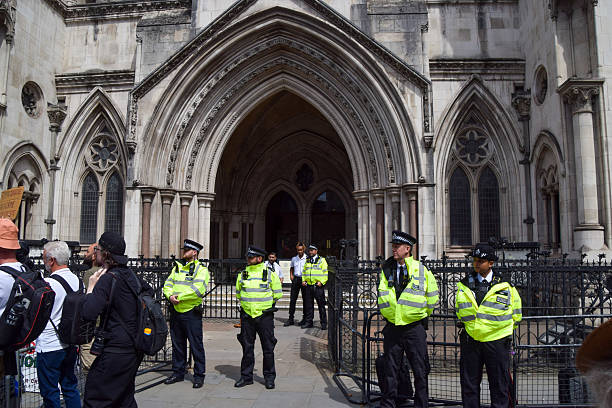
Enforcement Visit London - What Happens When Enforcement Agents Attend Your Property
An enforcement visit in London refers to a formal visit by authorised enforcement agents (such as bailiffs or High Court Enforcement Officers) to a residential or commercial property to recover unpaid debts, enforce a court judgment, or take control of goods.
These visits are usually the final stage of a legal enforcement process and can relate to County Court Judgments (CCJs), High Court writs, rent arrears, unpaid commercial debts, or lease enforcement actions.
For landlords, tenants, and business owners, an enforcement visit can be disruptive, especially in commercial areas of London where operations, stock, or equipment may be involved.
Fraser Bond works with landlords, investors, and commercial property stakeholders across London dealing with enforcement-related property issues, supporting them with post-enforcement recovery, property reinstatement, repairs, and operational continuity planning.
What an Enforcement Visit Means in London
An enforcement visit is when certified enforcement agents attend a property to:
- Collect unpaid debts
- Enforce a court judgment
- Take control of goods
- Recover rent arrears or commercial debt
- Execute a High Court writ or County Court warrant
The visit is legally authorised and must follow strict enforcement regulations.
When Enforcement Visits Happen
Enforcement visits in London typically occur after:
- A County Court Judgment (CCJ) is ignored
- A High Court writ is issued
- Rent arrears remain unpaid
- A business defaults on a contract or finance agreement
- Previous payment arrangements have failed
They are commonly used in both residential and commercial property cases.
What Happens During an Enforcement Visit
1. Arrival of enforcement agents
Agents attend the property during permitted hours.
2. Identification and notice
They identify themselves and explain the purpose of the visit.
3. Assessment of goods or assets
Assets belonging to the debtor may be identified.
4. Negotiation or payment request
The debtor is usually given an opportunity to pay or agree to arrangements.
5. Taking control of goods (if necessary)
If payment is not made, goods may be secured for enforcement.
6. Follow-up enforcement action
Further visits or removal of goods may follow if required.
Types of Properties Affected in London
Enforcement visits can occur at:
- Residential flats and houses
- Commercial offices and retail units
- Warehouses and industrial sites
- Hospitality venues such as restaurants or bars
- Construction and development sites
In Central London and business districts like Canary Wharf, enforcement visits often involve commercial assets or lease-related disputes.
Legal Rules for Enforcement Visits
Enforcement agents must follow strict legal requirements, including:
- Valid court authority (CCJ, warrant, or writ)
- Proper notice of enforcement before visit
- No unlawful entry or forced access without legal rights
- No breach of peace during attendance
- Correct identification and documentation
Improper enforcement can be legally challenged.
Impact of Enforcement Visits in London
An enforcement visit can affect:
- Business operations and customer service
- Access to stock, equipment, or premises
- Rental income and tenancy relationships
- Reputation and commercial continuity
- Project timelines in construction or development
For example, a retail shop in East London may face temporary closure if enforcement agents take control of stock or equipment.
What Happens After an Enforcement Visit
Depending on the outcome, next steps may include:
- Full payment of debt and closure of case
- Agreed repayment plan
- Removal and sale of goods
- Further enforcement action or additional visits
- Legal escalation in court
If assets are removed, proceeds are used to reduce outstanding debt.
How to Prepare for an Enforcement Visit
Individuals and businesses in London can take steps to manage risk:
- Respond to court documents immediately
- Communicate with creditors early
- Arrange repayment agreements where possible
- Seek legal or financial advice quickly
- Keep documentation of ownership for assets
Early action often prevents escalation to enforcement visits.
Enforcement Visits and Property Recovery
In property-related cases, enforcement visits may also lead to:
- Rent arrears recovery from tenants
- Commercial lease enforcement
- Possession-related disputes
- Post-eviction property clearance
Landlords often need additional support after enforcement action to restore and re-let the property.
Support for London Property Owners and Businesses
Enforcement visits are often part of a wider legal and property recovery process that affects both assets and operations.
Fraser Bond supports clients across London with:
- Commercial property management services
- Post-enforcement property reinstatement
- Repairs, refurbishment, and cleaning works
- Contractor coordination and supervision
- Property recovery and repositioning support
- Business disruption recovery planning
- Enforcement-related property assistance
Speak with Fraser Bond for practical support with enforcement-related property issues and post-visit recovery in London.