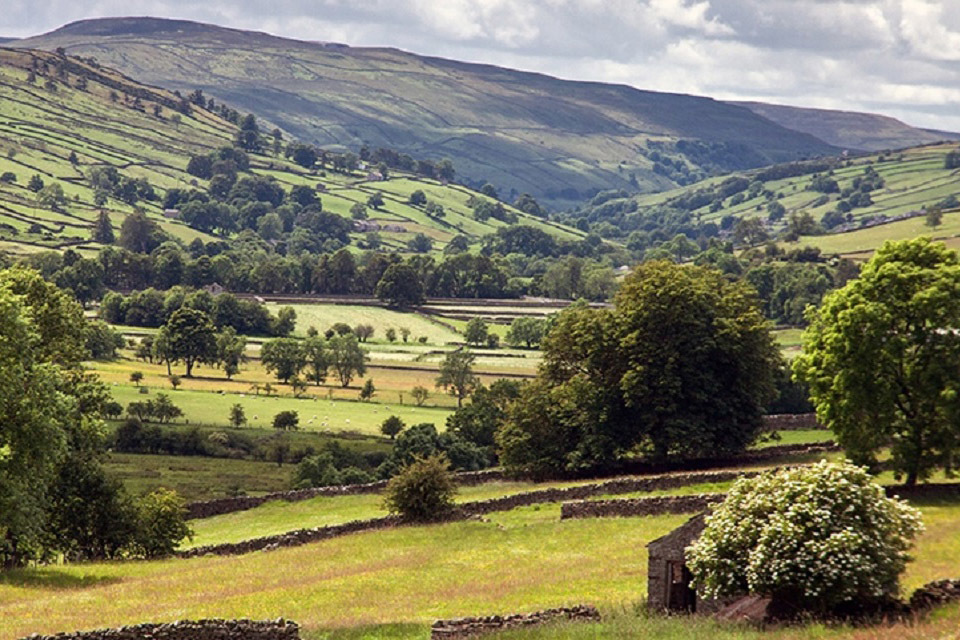
As environmental concerns continue to shape land use and policy, the UK government has introduced a range of schemes to encourage responsible stewardship of the countryside. One of the most prominent is the Countryside Stewardship (CS) scheme — a key initiative designed to support sustainable farming, protect biodiversity, and enhance the rural landscape.
Whether you're a landowner, rural property investor, or developer working on countryside holdings, understanding how Countryside Stewardship works is essential. In this article, Fraser Bond outlines what the scheme involves, who can apply, and how it can add long-term value to rural land assets.
What Is Countryside Stewardship?
Countryside Stewardship is a government-funded environmental land management scheme in England, administered by Rural Payments Agency (RPA) and overseen by Natural England.
The scheme offers financial incentives to farmers, landowners, and organisations to:
-
Improve the natural environment
-
Enhance biodiversity and wildlife habitats
-
Preserve historic and cultural features
-
Manage flood risks and improve water quality
Participants enter agreements (typically 5–10 years) and are paid for delivering a range of environmentally beneficial activities.
Types of Countryside Stewardship Agreements
There are several types of agreements, tailored to different land uses and objectives:
1. Mid-Tier
Supports a broad range of environmental actions across the farm. Applicants choose from a menu of options suited to their land and local priorities.
2. Higher Tier
For more complex land with specific environmental designations (e.g. SSSIs or woodlands). These agreements require more detailed planning and involve Natural England directly.
3. Wildlife Offers
Simplified, targeted agreements with fewer options and a shorter application process. Designed for farmers who want to support wildlife on arable, mixed, or grassland farms.
4. Capital Grants
Available for standalone improvements such as hedge planting, fencing, or water management. These grants can also complement existing CS agreements.
Eligibility and Application
To be eligible, you must:
-
Own or manage land in England
-
Be registered with the Rural Payments system
-
Comply with environmental and cross-compliance rules
Application windows typically open annually, with agreements starting the following year. Some grants and offers have rolling deadlines.
Key Benefits for Landowners and Rural Property Investors
1. Stable Income Stream
Participants receive payments for agreed actions, providing predictable income alongside agricultural production or rural rental revenue.
2. Environmental Compliance
Participation helps meet sustainability targets and enhances land eligibility for future environmental land management schemes (such as ELM).
3. Added Long-Term Value
Stewardship agreements can improve the ecological and aesthetic quality of land, increasing its desirability for future sale, development, or premium letting.
4. Heritage and Landscape Preservation
Options to restore stone walls, protect archaeological features, or maintain traditional farming practices can support tourism, rural diversification, and planning applications.
Considerations and Professional Guidance
-
Agreement obligations must be met in full; failure can lead to repayment or penalties.
-
Site-specific assessments may be required for Higher Tier agreements.
-
Capital items must meet design and cost specifications to qualify for reimbursement.
-
Some actions may restrict future development potential or change permitted land use classification.
Fraser Bond recommends that landowners and investors seek professional advice before entering a Countryside Stewardship agreement to ensure alignment with long-term property goals.
How Fraser Bond Supports Rural Clients
Fraser Bond provides strategic consultancy for clients with rural property holdings. Our services include:
-
Pre-agreement planning and land valuation
-
Advisory on combining stewardship schemes with investment strategies
-
Land use audits and sustainability reporting
-
Support with diversification projects (e.g. glamping, equestrian, renewable energy)
-
Partnering with rural chartered surveyors and land agents for application support
Whether you're managing a heritage estate, converting farmland for mixed use, or investing in rural property, our expert team ensures your stewardship decisions contribute to both environmental and financial outcomes.
Conclusion
Countryside Stewardship is more than a subsidy — it’s an opportunity to protect natural assets while enhancing the commercial potential of rural land. For forward-thinking landowners and developers, the scheme offers a practical path to long-term sustainability and added value.
Fraser Bond partners with clients across England to navigate the complexities of rural land management, environmental policy, and property development. With our guidance, you can make stewardship work for both the environment and your investment portfolio.