Security for Condemned Building UK – How to Protect Unsafe, Vacant, or Structurally At-Risk Properties
Practical risk management and site protection for condemned buildings across London and the UK
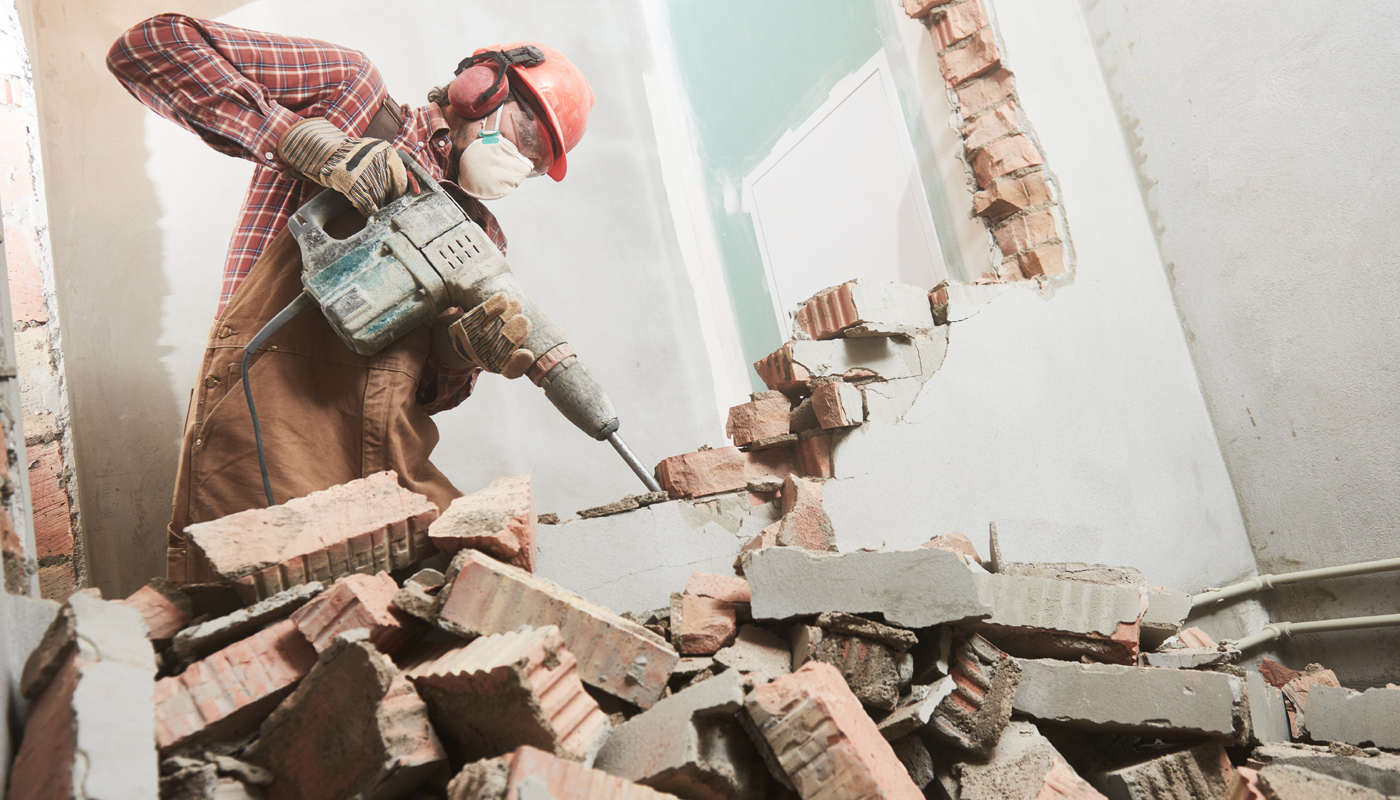
Condemned buildings in the UK are properties that have been declared unsafe for occupation due to structural failure, fire damage, severe disrepair, or health and safety risks. Once a building reaches this stage, it becomes highly vulnerable—not only physically, but also legally and financially.
Securing a condemned building is not about normal property protection. It is about controlled exclusion, hazard containment, perimeter security, and strict access management while the building remains unsafe and potentially awaiting demolition, refurbishment, or enforcement action.
Fraser Bond supports property owners, local landlords, investors, and developers across London and the UK with high-risk vacant property security, inspections, key holding, access control coordination, and wider property services including maintenance planning, refurbishment advice, and redevelopment support.
Why Condemned Buildings Are Extremely High Risk
Condemned buildings are often structurally unstable or exposed, making them significantly more dangerous than standard vacant properties.
In London areas such as Hackney, Newham, Southwark, and Brent, common risks include:
- Structural collapse or partial building failure
- Unauthorised entry despite safety warnings
- Squatting in dangerous or unstable conditions
- Fire risks from damaged wiring or waste buildup
- Falling debris or hazardous materials exposure
- Insurance complications due to high-risk classification
Even a small condemned residential building can become a major liability if not properly secured.
Core Security Principles for Condemned Buildings
Security for condemned buildings focuses on exclusion and containment rather than occupation or normal monitoring.
1. Strong perimeter isolation
The site must be physically separated from public access using robust fencing or hoarding.
2. Hazard signage and warning systems
Clear notices must warn of structural danger and prohibit entry.
3. Controlled access only
Entry should only be allowed for authorised engineers, surveyors, or emergency personnel.
4. Monitoring of external activity
CCTV or periodic inspections help detect trespass or interference.
5. Emergency response readiness
Plans must be in place for incidents such as collapse, fire, or unauthorised entry.
Why Condemned Buildings Attract Risk in London
Despite being unsafe, condemned buildings still attract activity due to their visibility and urban location.
Common risks include:
- Trespassers entering for shelter or curiosity
- Illegal dumping of waste around the site
- Theft of remaining materials such as copper or fixtures
- Vandalism or forced entry attempts
- Fire risks from uncontrolled access
- Public safety liability if access is not restricted
For example, a condemned commercial unit in East London may still be accessed repeatedly unless properly secured and monitored.
Perimeter Security for Condemned Buildings
The first priority is preventing access entirely.
Effective measures include:
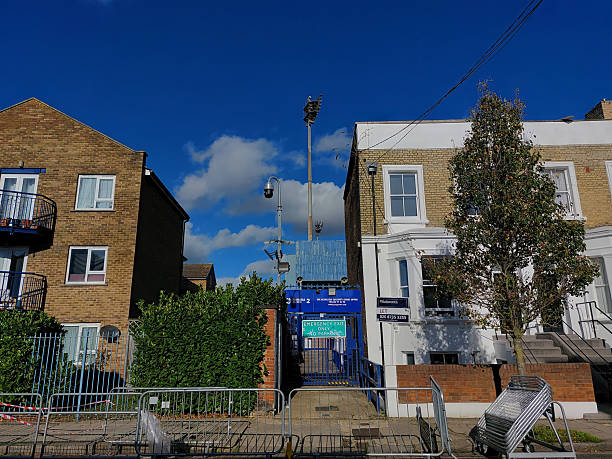
- Heavy-duty steel fencing or hoarding
- Locked and reinforced entry gates
- Anti-climb barriers in high-risk areas
- Removal of accessible entry points where possible
In urban London environments, visual deterrence is as important as physical strength.
Warning Systems and Legal Protection
Clear communication is essential to reduce liability.
Recommended measures include:
- “Danger – Unsafe Structure” signage
- “No Entry” legal notices
- CCTV warning signage
- Site ownership identification
These measures help reduce legal exposure if trespass occurs.
CCTV and Monitoring for Condemned Sites
CCTV plays a key role in monitoring condemned buildings, especially in urban environments.
It provides:
- Real-time detection of unauthorised entry
- Evidence for enforcement or insurance claims
- Deterrence against repeated trespass
- Remote visibility for owners and managers
For example, a condemned building in Camden may require monitored CCTV due to repeated attempted access in densely populated streets.
Access Control and Key Holding
Even condemned buildings require controlled entry for inspections, engineers, or emergency teams.
Key holding ensures:
- Secure storage of access keys or gate systems
- Controlled entry for authorised personnel only
- Faster emergency response access
- Reduced risk of unauthorised duplication
- Coordinated inspection scheduling
Fraser Bond provides structured access control for high-risk vacant and condemned properties across London.
Insurance and Legal Considerations
Condemned buildings are typically classified as high-risk by insurers and local authorities.
Requirements may include:
- Full perimeter security measures
- Regular inspections or monitoring reports
- Proof of hazard warnings and signage
- Controlled access documentation
- Evidence of risk mitigation steps
Failure to meet these conditions may void insurance coverage or increase liability exposure.
Common Risks During Condemned Building Management
Many issues arise from delayed or insufficient action:
- Leaving sites open after condemnation notice
- Failing to install immediate perimeter protection
- Ignoring repeated trespass incidents
- Not updating insurers or authorities
- Allowing uncontrolled contractor access
These mistakes significantly increase legal and financial risk.
Example: Condemned Building Security in London
A structurally unsafe residential property in Southwark is declared condemned after severe water damage and partial collapse risk.
Security measures include:
- Full steel hoarding installed around perimeter
- Hazard signage placed at all entry points
- CCTV monitoring of external access routes
- Weekly inspections coordinated by property management
- Emergency access protocol for engineers only
This ensures public safety while preventing further site damage.
How Fraser Bond Supports Condemned Building Security UK
Fraser Bond works with property owners, developers, and managing agents across London and the UK to secure high-risk and condemned buildings.
Services include:
- High-risk vacant property security planning
- Condemned building perimeter protection
- CCTV and surveillance coordination
- Key holding and emergency access management
- Regular inspections and reporting
- Maintenance and demolition preparation support
- Compliance and risk mitigation assistance
This ensures condemned properties remain safe, controlled, and legally managed.
Final Thoughts
Security for condemned buildings in the UK is about containment, public safety, and strict access control rather than standard property protection. Without proper measures, these buildings can quickly become dangerous liabilities.
When supported by perimeter security, CCTV, inspections, and structured access control, risks can be significantly reduced even in severely damaged properties.
Fraser Bond provides specialist high-risk property security services across London and the UK, helping manage condemned buildings safely through enforcement, transition, or redevelopment phases.