Assess Future Demand for Property Types in Specific UK Areas
Overview: How UK commercial property demand is shifting by location and sector
Future demand in UK property is increasingly driven by a combination of sector growth trends, infrastructure investment, tenant relocation patterns, and regional economic clustering. Rather than broad national demand, the UK market is becoming highly location-specific and sector-led.
Below is a structured assessment of where demand is strengthening or weakening across major UK regions and property types.
1. London – Strong demand but highly polarised
Office demand (strong but selective)
Demand is concentrated in:
- City of London (EC2, EC3) – finance and legal occupiers
- West End (W1) – premium corporate headquarters
- King’s Cross and Shoreditch – tech and media expansion zones
Future outlook
- Strong demand for Grade A, ESG-compliant offices
- Weak demand for older secondary office stock
- Rental growth expected in prime submarkets due to constrained supply
Key insight
London office demand is not declining; it is concentrating into fewer, higher-quality locations.
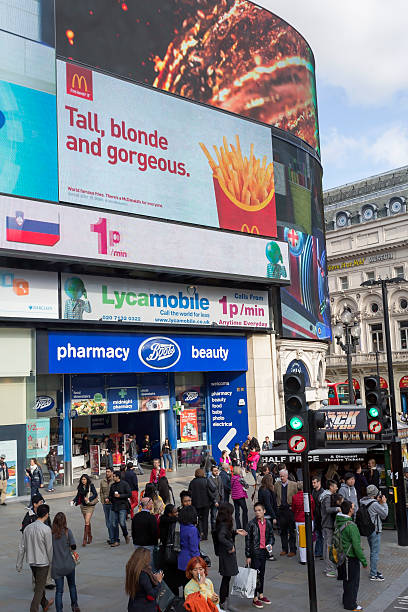
Retail demand (selective recovery)
Strong demand areas:
- Oxford Street regeneration zones
- Shoreditch, Soho, Covent Garden experiential retail
- Transport-linked high-footfall districts
Weak demand areas:
- Secondary high streets outside central London
- Low-footfall suburban retail strips
Future outlook
Retail demand is shifting toward:
- Experience-led stores
- Food and beverage
- Wellness and service-based retail
Retail space overall is shrinking, but prime locations remain competitive.
Industrial and logistics (very strong demand fringe of London)
High-demand zones:
- Enfield
- Barking and Dagenham
- Heathrow logistics corridor
- Dartford and Thames Gateway
Future outlook
- Strong demand for last-mile delivery hubs
- Limited supply pushing rents upward
- Continued occupier expansion from e-commerce and distribution firms
2. South East England – Residential-led commercial demand growth
Key locations
- Reading
- Oxford
- Guildford
- Milton Keynes
Office demand
- Moderate but stable demand
- Driven by regional HQ relocations from London
- Focus on cost-efficient, flexible office space
Industrial demand
- Very strong due to logistics proximity to London
- High demand near M25 and motorway junctions
Retail demand
- Stable in affluent commuter towns
- Weak in declining town centres
3. Midlands – UK logistics powerhouse
Key locations
- Birmingham
- Coventry
- Northampton
- Rugby
Industrial demand (highest nationally)
- Core UK logistics “Golden Triangle”
- Strong demand from Amazon-type distribution networks
- Large-scale warehouse expansion ongoing
A major expansion of logistics space in this region reflects sustained occupier demand growth.
Future outlook
- Strongest industrial rental growth in UK
- Continued expansion of large distribution hubs
- Rising demand for mid-box industrial units
Office demand
- Birmingham city centre remains strong
- Suburban office parks face weaker demand
Retail demand
- Mixed performance
- Strong in Birmingham city centre
- Weak in secondary town centres
4. North West England – Balanced but growing regional hub
Key locations
- Manchester
- Liverpool
- Warrington
Office demand
- Strong in Manchester city centre (Spinningfields, Salford Quays)
- Growing demand from financial and tech firms
Industrial demand
- Very strong in logistics corridors (Warrington, Trafford Park)
- Increasing e-commerce distribution activity
Retail demand
- Stable in Manchester city centre
- Weak in peripheral retail locations
Future outlook
Manchester is becoming a secondary UK office hub with strong growth potential.
5. Yorkshire and Humber – Industrial and education-driven demand
Key locations
- Leeds
- Sheffield
- Hull
Office demand
- Strong in Leeds financial district
- Moderate elsewhere
Industrial demand
- Strong logistics growth around Leeds and Sheffield corridors
Retail demand
- Stable in Leeds city centre
- Weak in smaller town centres
6. Scotland – Strong office and mixed demand in key cities
Key locations
- Edinburgh
- Glasgow
Office demand
- Strong in financial services hubs (Edinburgh)
- Growing tech and service sector demand in Glasgow
Industrial demand
- Moderate but stable
Retail demand
- Concentrated in prime city centres only
7. Cross-sector demand trends shaping all UK regions
1. Industrial dominates growth everywhere
Industrial and logistics remain the strongest and most consistent demand driver across all UK regions.
2. Office demand is polarised
- Strong in prime central locations
- Weak in secondary office parks
3. Retail is structurally shrinking but not disappearing
- Prime retail locations are stabilising
- Secondary retail continues to decline
4. Regional cities are gaining office demand
- Manchester, Birmingham, Leeds gaining corporate relocation activity
- London remains dominant but less space expansion driven
5. Transport-linked property outperforms
- M25, motorway corridors, and rail-connected zones show higher demand resilience
8. Risk-adjusted demand map summary
High future demand areas
- London City and West End offices
- Midlands logistics corridor
- Manchester city centre offices
- Heathrow and M25 industrial zones
Medium demand areas
- Birmingham office core
- Leeds financial district
- South East commuter towns
Weak or declining demand areas
- Secondary high streets
- Outdated office parks
- Poorly connected industrial estates
- Small regional town centres
Key Investment Insight
Future UK property demand is defined by three structural forces:
- Sector strength (industrial > office > retail secondary)
- Location clustering (cities and logistics corridors outperform)
- Quality of asset (modern ESG, transport-linked, flexible space)
Demand is increasingly uneven and concentrated, meaning asset selection matters more than ever.
How Fraser Bond Helps Investors Interpret Future Demand
Fraser Bond supports landlords, investors, and developers with:
- Location-based demand forecasting
- Sector-driven property analysis across UK regions
- Identification of high-growth commercial zones
- Tenant relocation and expansion tracking
- Investment acquisition strategy and due diligence
- Asset repositioning to match future demand trends
Fraser Bond helps clients focus on where demand is heading, not where it has been historically strongest.