Find Agricultural Land Opportunities with Development Potential UK
Where Investors and Developers Identify Farmland That Could Be Converted for Housing, Commercial, or Mixed-Use Development Across the UK
Agricultural land across the UK is increasingly being reviewed by investors, developers, and land promoters due to rising housing demand, regeneration pressures, and government focus on unlocking land supply. While farmland is primarily used for agriculture, certain sites—especially those near settlements or infrastructure—may hold long-term development potential.
However, not all agricultural land is suitable for development. Planning policy, especially Green Belt restrictions, environmental designations, and local authority plans, heavily influence what can realistically be achieved.
Fraser Bond works with investors, landowners, and developers to assess agricultural land opportunities, evaluate planning potential, and support strategic land acquisition and development planning across London and the wider UK.
What Makes Agricultural Land Have Development Potential
Agricultural land is more likely to have development potential when it meets several key conditions:
- Located on the edge of towns or villages
- Close to existing housing or settlement boundaries
- Access to roads and utilities
- Outside strict Green Belt or protected zones
- Included in local authority development plans
- Near schools, transport links, and services
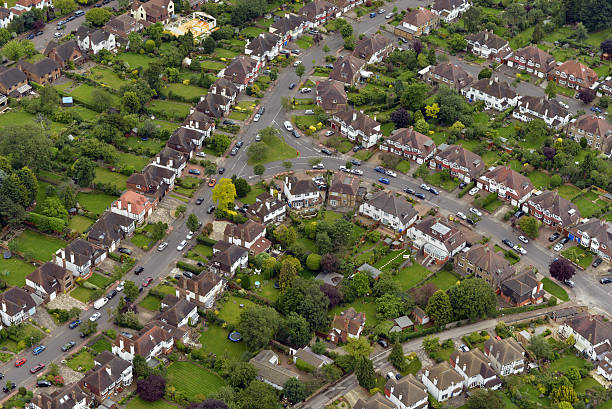
Land on settlement edges is often the most valuable because councils tend to expand towns outward over time to meet housing demand.
Farmland that is not designated for protection can increase significantly in value if granted planning permission, making early identification of potential sites highly attractive to investors.
Key UK Areas Where Agricultural Land Shows Development Potential
South East England Growth Belt
High demand for housing and limited available land means agricultural land near towns is frequently reviewed for future development.
Key locations include:
- Surrey fringe settlements
- Berkshire commuter belt
- Hertfordshire edge-of-town zones
- Kent and Essex growth corridors
These areas benefit from strong transport links into London and high housing demand pressure.
Midlands Growth Corridors
The Midlands is a major focus for housing and infrastructure expansion.
Key hotspots:
- Birmingham outskirts
- Coventry fringe villages
- Northamptonshire growth zones
- Derbyshire and Nottinghamshire commuter belts
Large agricultural parcels near transport infrastructure are often considered for strategic housing allocations.
Northern UK Expansion Areas
Northern cities are experiencing regeneration-led growth, increasing pressure on surrounding farmland.
Key locations:
- Manchester outer boroughs
- Leeds fringe settlements
- Liverpool growth corridors
- Sheffield suburban edges
Land near rail stations and motorway links often attracts interest from developers.
South West and Bristol Growth Zone
Strong demand from urban expansion and limited city-centre space drives interest in surrounding farmland.
- Bristol commuter belt
- Gloucestershire edge-of-settlement land
- Somerset growth corridors
Planning Factors That Affect Agricultural Land Value
Not all farmland is equal in development terms. Key planning constraints include:
- Green Belt designation (major restriction)
- Flood risk zones
- Conservation areas
- Protected landscapes (AONB/National Parks)
- Local housing allocation policies
- Access and infrastructure limitations
Some agricultural land can increase dramatically in value if planning permission is secured, sometimes multiplying value many times over depending on location and policy alignment.
However, Green Belt land remains heavily restricted unless exceptional circumstances are demonstrated.
Types of Agricultural Land Opportunities Investors Target
1. Edge-of-Settlement Farmland
Most attractive category due to proximity to housing zones and infrastructure.
2. Grey Belt / Underperforming Green Belt Sites
Some policy changes are increasing scrutiny of lower-value Green Belt land, creating selective opportunities in certain areas.
3. Disused or Low-Yield Agricultural Plots
Often less productive farmland with better redevelopment prospects.
4. Land with Strategic Allocation Potential
Sites identified in local development frameworks or emerging plans.
Key Risks When Assessing Agricultural Land
Before investing, developers should consider:
- No guarantee of planning approval
- Long timeframes (often years)
- Infrastructure costs (roads, utilities)
- Environmental constraints
- Policy changes from local authorities
- Market demand fluctuations
Many agricultural sites remain undevelopable despite proximity to settlements due to planning restrictions.
How Fraser Bond Supports Agricultural Land and Development Opportunities
Fraser Bond provides support to investors, landowners, and developers across the UK including:
- Agricultural land sourcing and site identification
- Development potential analysis
- Planning and feasibility assessment
- Strategic land investment advisory
- Commercial and residential development support
- Refurbishment and infrastructure coordination
- Contractor and planning consultant coordination
Whether assessing farmland for housing potential, mixed-use schemes, or long-term strategic land investment, Fraser Bond helps clients make informed decisions before committing capital.