Analyse Consumer Traffic Patterns for Retail Site Selection UK
Explore how retailers, investors, and landlords use UK consumer traffic data, footfall trends, and location analysis to choose stronger retail sites and improve long-term commercial performance.
Choosing the right retail location in the UK is no longer based solely on rent levels or high street reputation. Retailers are increasingly analysing consumer traffic patterns to understand where people shop, how often they visit, how long they stay, and what drives spending behaviour.
In London and other major UK cities, strong consumer traffic can significantly affect retail performance, rental values, and long-term business viability. A lower-cost retail unit with consistent daily footfall may outperform a more expensive unit in a weaker location.
Businesses assessing retail site selection often review:
- Pedestrian footfall
- Peak trading hours
- Weekend traffic trends
- Commuter movement
- Demographic spending patterns
- Public transport access
- Nearby anchor tenants
- Residential population growth
- Office worker activity
- Seasonal traffic fluctuations
Areas with strong mixed-use development activity often generate more reliable footfall because they combine residential, office, leisure, and retail demand in one location.
Why Footfall Data Matters Before Leasing Retail Space
Many businesses make the mistake of focusing heavily on rental costs while overlooking consumer movement patterns.
For example, two retail units in the same London borough may have completely different trading potential depending on:
- Visibility from main roads
- Nearby transport stations
- Local competition
- Daytime worker populations
- Evening economy activity
- Tourist traffic
- Residential density
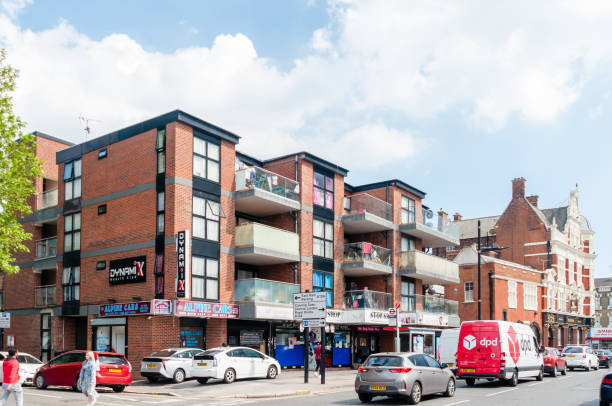
Retailers opening near stations such as Stratford, London Bridge, or Canary Wharf often benefit from commuter traffic throughout the day, while suburban retail locations may depend more heavily on weekend shoppers and local residents.
Understanding these patterns helps businesses avoid expensive leasing mistakes.
What Retailers Analyse Before Choosing a UK Site
Retail site selection now involves far more detailed data analysis than traditional high street comparisons.
Retailers commonly assess:
- Daily pedestrian counts
- Vehicle traffic flow
- Shopping centre footfall
- Consumer dwell time
- Nearby business occupancy
- Vacancy rates
- Competitor positioning
- Average household income
- Local regeneration activity
- Planned infrastructure projects
For example, a retail unit near a major residential development in Wembley may show improving long-term demand even if current footfall remains lower than Central London locations.
Likewise, areas undergoing regeneration across Birmingham, Leeds, or Manchester may offer lower entry costs with stronger future growth potential.
How Consumer Behaviour Has Changed UK Retail Demand
Consumer traffic patterns have shifted significantly in recent years due to:
- Hybrid working
- Online shopping growth
- Convenience-led retail
- Increased suburban spending
- Flexible working hours
- Experience-driven shopping
As a result, many retailers are reducing reliance on expensive flagship locations and instead targeting:
- Neighbourhood high streets
- Retail parks
- Transport-linked retail hubs
- Mixed-use developments
- Convenience-focused shopping areas
Retail parks continue performing strongly because they offer easier parking access, larger unit sizes, and convenience-focused consumer traffic.
Food operators, fitness brands, beauty businesses, and discount retailers are particularly active in these locations.
What Investors Look for in High-Traffic Retail Areas
Commercial property investors analysing retail opportunities often focus on locations where footfall growth aligns with wider economic and residential development trends.
Key indicators include:
- Population growth
- Transport investment
- Residential construction activity
- Office occupancy recovery
- Retail vacancy reductions
- Tourism growth
- Student population increases
- Local authority regeneration spending
In London, areas such as Stratford, Woolwich, and Battersea continue attracting commercial interest due to large-scale regeneration and infrastructure investment.
Investors also monitor whether footfall is:
- Consistent throughout the week
- Seasonal or year-round
- Driven by commuters or residents
- Dependent on tourism
- Concentrated around anchor retailers
A retail location with stable daily consumer traffic may offer stronger long-term performance than a high-profile area with inconsistent activity.
How Fraser Bond Assists With Retail Site Selection
Fraser Bond supports retailers, landlords, investors, and commercial occupiers across London and the UK with:
- Retail property sourcing
- Commercial location analysis
- Lease negotiations
- Investment advisory
- Property management
- Refurbishment coordination
- Building works
- Compliance support
- Contractor sourcing
- Maintenance planning
Businesses assessing retail opportunities often require support beyond simply finding premises. Many also need assistance with:
- Shop fit-outs
- Refurbishment planning
- EPC compliance
- Repair coordination
- Ongoing maintenance
- Facilities support
Fraser Bond works with clients on both commercial property transactions and wider operational property requirements.
Why Retail Site Selection Requires Long-Term Planning
Consumer traffic trends can change rapidly depending on:
- Transport projects
- New residential developments
- Changing commuter habits
- Retail closures
- Local regeneration schemes
- Office occupancy levels
A retail unit that appears affordable today may become significantly more valuable if surrounding infrastructure improves.
Likewise, businesses relying entirely on historic footfall data may overlook changing consumer behaviour patterns.
Retailers and investors looking to analyse consumer traffic patterns for retail site selection in the UK should assess both current trading conditions and long-term area growth potential before committing to commercial property.