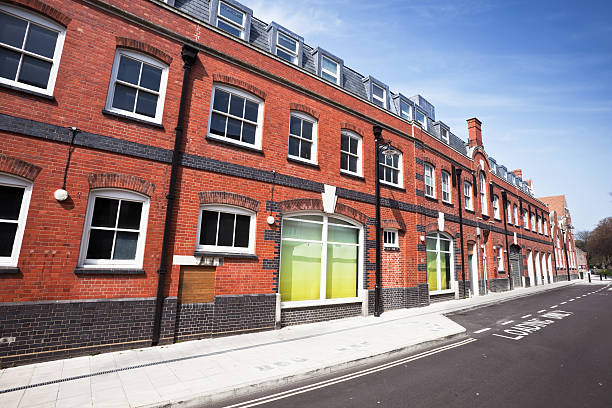
Security Through Occupation UK - Protecting Empty Buildings by Keeping Them In Use
Security through occupation in the UK is a property protection strategy where vacant or underused buildings are safeguarded by ensuring they remain physically occupied, rather than relying only on alarms, CCTV, or external security patrols.
It is widely used by landlords, developers, councils, and asset managers to reduce the risks associated with empty property.
What Security Through Occupation Means
Security through occupation is based on a simple principle:
An occupied building is significantly less likely to be targeted than an empty one.
Instead of leaving a property vacant, it is kept in use through:
- Property guardians
- Live-in caretakers
- Temporary occupants during redevelopment
- Managed short-term occupation agreements
This creates a continuous human presence that deters intrusion and damage.
Why It Is Used Across the UK
Vacant buildings across the UK—especially in cities like London, Birmingham, Manchester, and Bristol—face ongoing security challenges.
Security through occupation helps reduce:
- Squatting and illegal entry
- Vandalism and deliberate damage
- Theft of copper, boilers, and internal fixtures
- Fly-tipping and antisocial behaviour
- Fire risks from unauthorised access
- Insurance issues linked to empty property status
For many owners, the cost of leaving a building empty is higher than the cost of managing controlled occupation.
Common Methods of Security Through Occupation
1. Property guardianship
Approved individuals live in the building under licence agreements, providing low-cost occupation while maintaining security.
2. Live-in caretakers
Appointed individuals reside on-site and oversee basic maintenance, reporting, and building monitoring.
3. Temporary managed occupation
Contractors, staff, or approved users occupy the building during refurbishment or phased redevelopment.
4. Mixed-use occupancy models
Part of a building may be occupied while other sections are under construction or awaiting use.
Where It Is Commonly Used
Security through occupation is widely applied to:
- Empty residential blocks and flats
- Vacant office buildings and commercial spaces
- Industrial warehouses and logistics hubs
- Retail units and high street properties
- Development sites awaiting planning or construction
- Public sector buildings such as schools or former hospitals
It is particularly common in London due to high property values and frequent redevelopment cycles.
Benefits of Security Through Occupation
Strong deterrent against crime
A lived-in building is far less attractive to intruders than an empty one.
Reduced property deterioration
Continuous use helps prevent neglect, damp issues, and structural decline.
Lower security costs in some cases
Reduces reliance on round-the-clock guarding or extensive boarding.
Helps maintain insurance compliance
Many insurers require active risk mitigation for vacant buildings.
Supports redevelopment timelines
Keeps assets functional while planning or construction is delayed.
Limitations and Risks
Despite its benefits, security through occupation must be carefully managed.
Key considerations include:
- Not all buildings are safe or suitable for occupation
- Legal agreements must be correctly structured (often licence-based)
- Insurance conditions may still require additional security measures
- Occupancy does not replace full building security systems
- Ongoing management and oversight is required
Because of this, it is often used alongside physical security infrastructure.
Security Through Occupation vs Physical Security
This approach is often combined with traditional security systems such as:
- Steel security doors
- Window boarding or protective screens
- CCTV and alarm systems
- Access control and key management systems
- Regular property inspections
The most effective strategy is usually a hybrid model combining people-based and physical protection systems.
How Fraser Bond Supports Security Through Occupation
Fraser Bond works with landlords, investors, developers, and property managers across the UK to design and manage secure vacant property strategies, including:
- Security through occupation planning and assessment
- Property guardian suitability reviews
- Vacant property security systems (doors, boarding, access control)
- Building inspections and maintenance coordination
- Contractor and refurbishment management
- Redevelopment and site transition support
- Long-term asset protection strategies
The focus is ensuring buildings remain secure, compliant, and operationally protected throughout vacancy or transition periods.
When Security Through Occupation Is Most Effective
This strategy is most suitable when:
- A building will be vacant for an extended period
- Redevelopment or refurbishment is delayed
- Insurance requires active risk management
- The property is in a high-risk urban location
- Large buildings need continuous oversight without full tenancy agreements
For example, a vacant office building in Central London awaiting conversion may be protected through guardianship or caretaking during planning delays.
Speak With Fraser Bond
Fraser Bond provides tailored vacant property and occupation-based security solutions across the UK.
Services include:
- Security through occupation strategy development
- Property guardian and caretaker solutions
- Vacant property protection systems
- Steel doors, boarding, and access control installations
- Maintenance and contractor coordination
- Refurbishment and redevelopment support
- Long-term asset protection planning
If you are managing an empty or transitional property, Fraser Bond can help design a practical and cost-effective security strategy.