Analyse Competitor Store Distribution UK Retail Brands - Location Strategy and Market Positioning
Understand how UK retail brands distribute their stores across key locations, and how competitor mapping reveals expansion opportunities, saturation risks, and strategic positioning. Fraser Bond provides data-driven commercial property advisory for retail brands across London and the wider UK.
Introduction
Competitor store distribution analysis helps retailers understand where brands are concentrated, where demand is strongest, and where gaps exist. In the UK, especially London, retail brands cluster around high footfall zones, transport hubs, and established shopping destinations.
Fraser Bond supports clients through FraserBond.com with location intelligence, competitor mapping, and retail expansion strategy.
Key Patterns in UK Retail Store Distribution
High Street Clustering
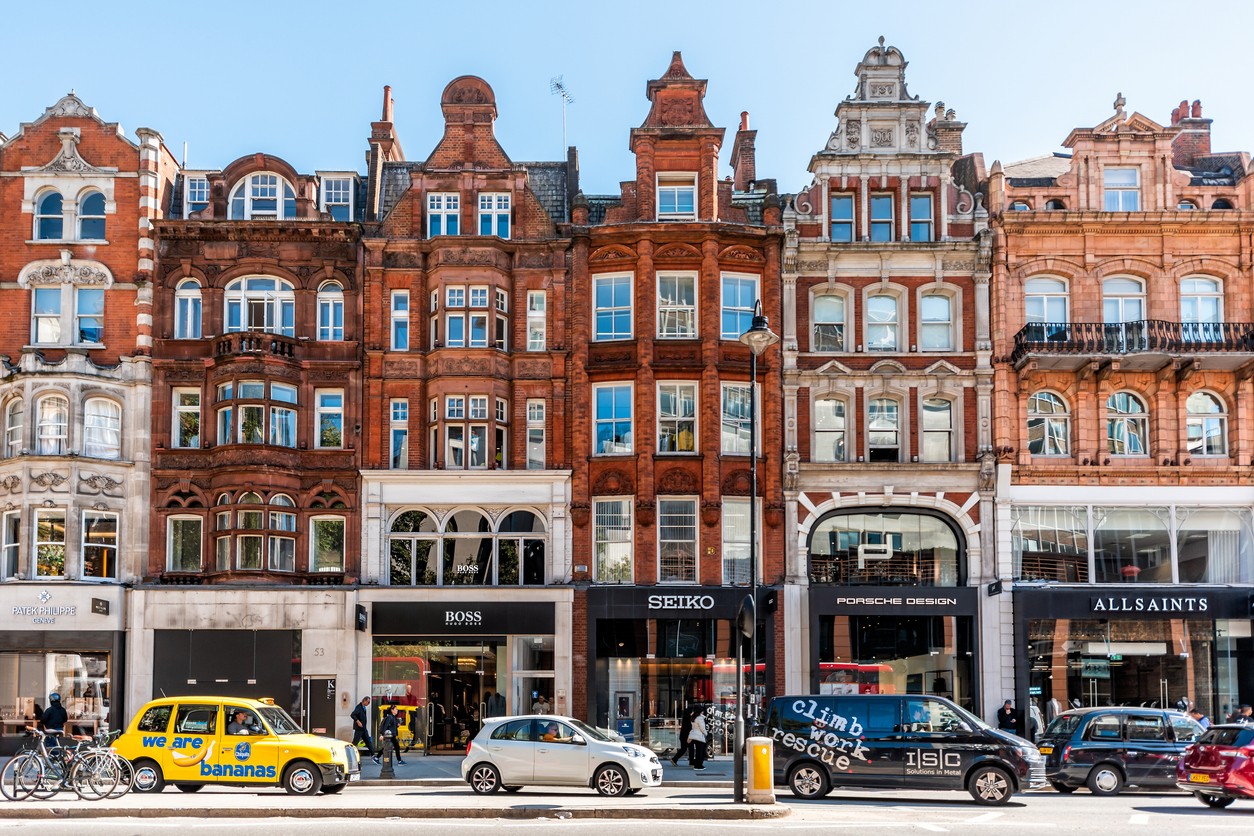
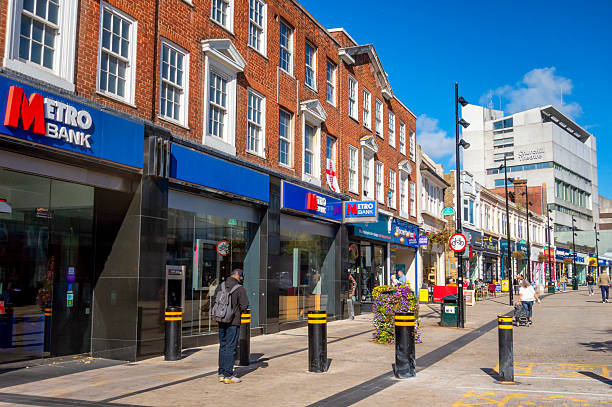
Retail brands concentrate along major high streets such as central London corridors and regional city centres.
Shopping Centre Dominance
Major brands prioritise locations within large schemes like Westfield due to controlled footfall and strong tenant mix.
Transport Hub Positioning
Stations such as Waterloo and Victoria attract convenience retail and food operators.
Regional City Expansion
Brands expand beyond London into cities like Manchester, Birmingham, and Leeds for scalable growth.
Types of Retail Distribution Strategies
Flagship Location Strategy
- Prime central London stores
- Focus on brand visibility and prestige
Cluster Strategy
- Multiple stores within a single high-demand area
- Maximises market share and convenience
Coverage Strategy
- Spread across multiple boroughs or cities
- Targets accessibility and local demand
Value Location Strategy
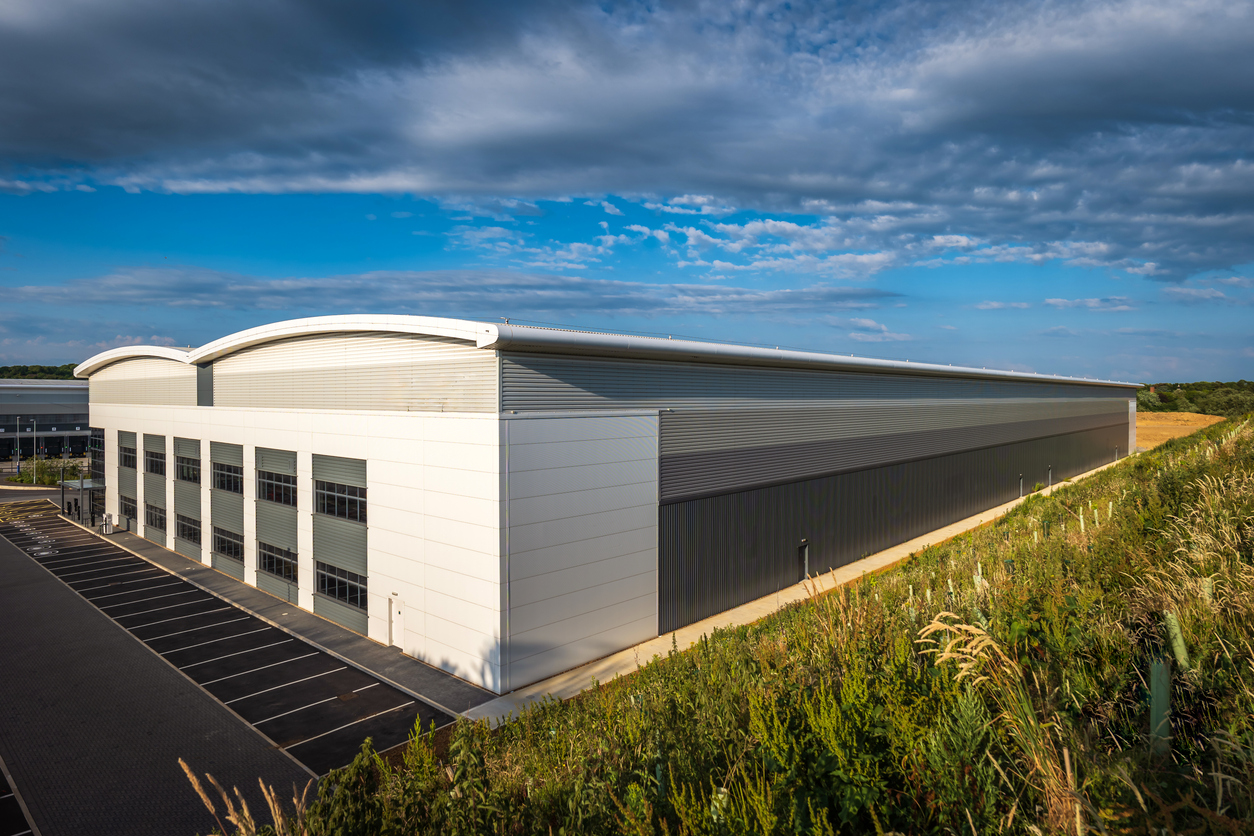
- Positioned in retail parks and secondary high streets
- Focus on cost efficiency and volume
What Competitor Distribution Reveals
Saturated Zones
Areas with high brand density and strong competition (e.g. Oxford Street, West End).
Underserved Areas
Emerging residential or regeneration zones with fewer competitors.
Demand Hotspots
Locations where multiple brands cluster due to proven consumer demand.
Pricing and Positioning
Premium brands cluster in high-income areas, while value brands dominate retail parks.
Key Retail Zones in the UK
London West End
- Highest concentration of global retail brands
- Strong tourism and luxury demand
Major Shopping Centres
- Westfield London and Stratford
- Trafford Centre (Manchester)
- Bullring (Birmingham)
Regional High Streets
- Manchester city centre
- Leeds Trinity area
- Glasgow Buchanan Street
Strategic Insights for Retail Brands
- Follow proven demand clusters but avoid oversaturation
- Identify emerging zones before competitors enter
- Align brand positioning with local demographics
- Balance flagship visibility with scalable coverage
Competitor mapping allows brands to enter markets strategically rather than reactively.
Fraser Bond Retail Advisory Services
Fraser Bond provides:
- Competitor store distribution mapping
- High footfall and demand analysis
- Retail site selection and acquisition
- Market intelligence and expansion strategy
Through FraserBond.com, brands access London and UK-wide commercial property insights.
Conclusion
Competitor store distribution analysis is essential for understanding the UK retail landscape. By identifying clusters, gaps, and demand patterns, brands can make smarter expansion decisions.
Fraser Bond delivers expert advisory services to help retailers optimise location strategy and secure high-performing sites across the UK.