ABI Supported Living: Finding Suitable Acquired Brain Injury Accommodation
A practical guide for care providers, landlords, investors and developers looking for suitable property for adults with acquired brain injury across the UK
ABI supported living refers to supported accommodation designed for adults living with an acquired brain injury (ABI). Depending on the individual's circumstances, support may address mobility, communication, memory, cognition, behaviour, emotional regulation, daily living skills and rehabilitation.
For property owners and supported living providers, the physical environment can be an important part of the support model. A suitable property needs to provide a safe and manageable setting while allowing residents to develop independence and participate in everyday community life.
CQC records show supported living services supporting people with acquired brain injury alongside other needs such as autism, learning disabilities and mental health conditions.
What Is ABI Supported Living?
ABI supported living provides accommodation where adults with acquired brain injury can live in their own home or supported housing arrangement while receiving care, support or rehabilitation according to their individual needs.
An acquired brain injury can result from different causes, including traumatic injury or conditions such as stroke, infection or other neurological events. The effects can vary significantly from one person to another.
A resident may require support with:
-
Personal care
-
Cooking and meal preparation
-
Medication
-
Household tasks
-
Communication
-
Mobility
-
Managing finances
-
Social interaction
-
Emotional regulation
-
Community access
-
Developing independent living skills
-
Rehabilitation and recovery goals
The accommodation therefore needs to be considered alongside the person's support plan.
What Does an ABI Supported Living Property Look Like?
There is no single property type that works for every ABI resident.
Suitable accommodation can include:
-
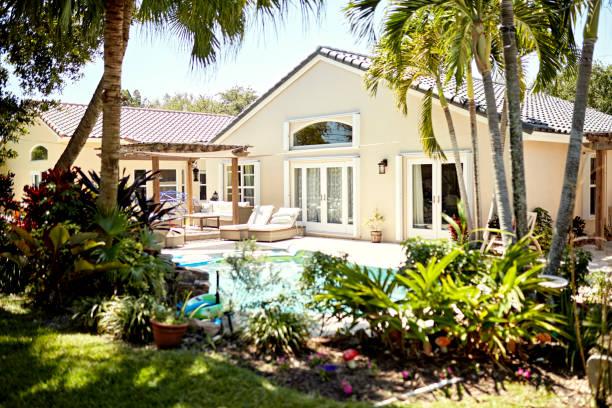
Bungalows
-
Detached houses
-
Semi-detached houses
-
Ground floor flats
-
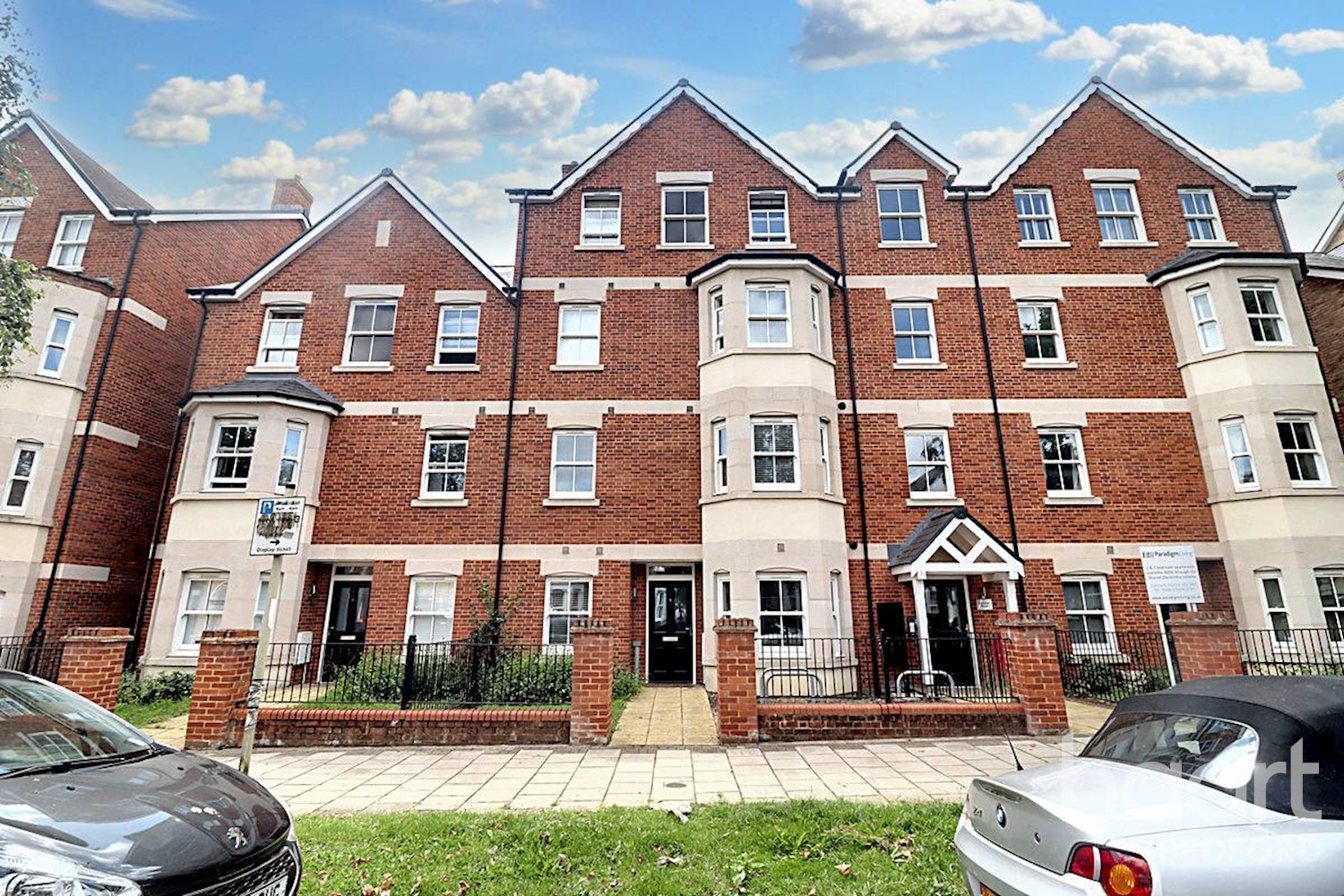
Self-contained apartments
-
Small supported living schemes
-
Purpose-built specialist housing
-
Adapted residential properties
Some schemes provide individual self-contained flats with communal facilities, while others use individual bedrooms with shared kitchens and living areas.
For example, current supported living provision for adults with ABI includes properties with self-contained flats, wet rooms, communal activity areas and outdoor space.
Property Requirements for ABI Supported Living
The property should be assessed against the needs of the intended residents rather than simply being described as "specialist accommodation".
Accessible Entrance
The entrance should be easy and safe to use.
Depending on residents' mobility, this could require:
-
Step-free access
-
A suitable ramp
-
Wide entrance doors
-
Low thresholds
-
Handrails
-
Good external lighting
-
Accessible pathways
-
Adequate manoeuvring space
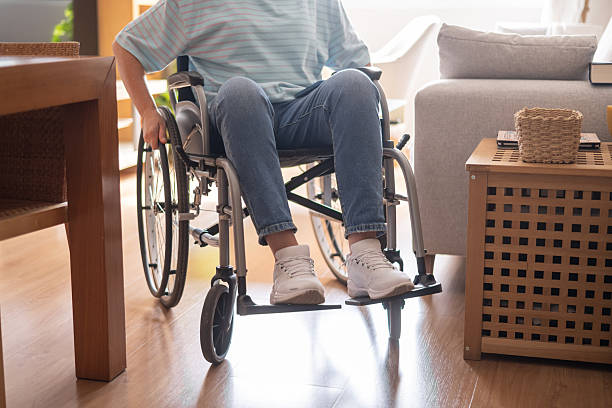
Some people with ABI may have mobility difficulties, balance problems or reduced coordination, making safe access particularly important.
Ground Floor Bedrooms
Ground floor bedrooms can be useful where residents have mobility limitations or difficulty using stairs.
A suitable ground floor arrangement may place the:
-
Bedroom
-
Bathroom
-
Kitchen
-
Living area
-
External access
on the same level.
Bungalows can therefore be attractive options for ABI supported living, although the property still needs to be assessed for layout, accessibility and support requirements.
Accessible Bathrooms
Bathrooms should be assessed carefully.
Potential features include:
-
Level-access showers
-
Wet rooms
-
Grab rails
-
Shower seating
-
Accessible toilets
-
Suitable basin positioning
-
Anti-scalding controls
-
Emergency call systems
-
Space for mobility equipment
Some residents may require more specialist adaptations depending on their physical needs.
Safe and Practical Kitchens
The kitchen should reflect the resident's ability to use it safely.
For some residents, independent cooking may be part of their rehabilitation or daily living programme. Others may require staff assistance.
Possible considerations include:
-
Clear circulation
-
Safe appliance positioning
-
Easy-to-operate controls
-
Accessible storage
-
Appropriate worktop heights
-
Good lighting
-
Secure storage where necessary
The aim should be to support appropriate independence rather than unnecessarily restricting residents.
ABI Accommodation Should Support Independence
One of the purposes of supported living can be helping people develop or maintain independence.
CQC examples of ABI supported living describe services designed to help adults develop daily living skills and move towards greater independence following rehabilitation where appropriate.
The property can support this by providing opportunities for residents to:
-
Prepare food
-
Manage their own rooms
-
Use communal spaces
-
Access outdoor areas
-
Participate in household routines
-
Travel into the community
-
Practise daily living skills
This means a property should not simply be assessed according to how much care staff can provide inside it. Its design should also allow residents to do as much for themselves as is appropriate.
Layout and Sensory Considerations
Some people with ABI experience difficulties with concentration, memory, communication, emotional regulation or coping with busy environments.
The property may therefore benefit from:
-
Simple circulation routes
-
Clearly defined rooms
-
Quiet spaces
-
Good natural lighting
-
Consistent layouts
-
Appropriate acoustic conditions
-
Secure outdoor areas
-
Private bedrooms
-
Clearly organised communal areas
The exact requirements should be based on the individuals being supported.
A large, complicated property is not necessarily better than a smaller, well-planned home.
ABI Supported Living for Complex Needs
Some residents with ABI have additional needs, including:
-
Physical disabilities
-
Epilepsy
-
Mental health conditions
-
Autism
-
Learning disabilities
-
Behavioural support needs
-
Communication difficulties
-
Mobility limitations
CQC service-user categories recognise acquired brain injury as a specialist need that providers can identify alongside other service-user needs.
Where multiple needs are present, property requirements can become more complex.
The provider may need additional staff space, specialist bathrooms, equipment storage, safer external areas or enhanced environmental controls.
ABI Supported Living and Rehabilitation
Supported living can form part of a longer-term pathway following rehabilitation.
Some ABI services provide rehabilitation before a person moves into community accommodation with support. CQC records examples where people move from specialist rehabilitation into community housing, while other services provide longer-term supported accommodation.
This means a property may need to accommodate changing levels of independence.
A resident might initially require substantial support but gradually develop greater independence. An adaptable property can make it easier to respond to those changes without relocating the resident unnecessarily.
Location Matters for ABI Supported Living
The property should also be connected to the local community.
Important considerations can include proximity to:
-
GP surgeries
-
Hospitals
-
Pharmacies
-
Shops
-
Public transport
-
Parks
-
Leisure facilities
-
Community centres
-
Employment opportunities
-
Education and training
-
Family networks
A suitable location can help residents maintain relationships and participate in ordinary community activities.
Buying Property for ABI Supported Living
Investors and care providers considering purchasing an ABI property should assess both the building and its adaptation potential.
Before completing a purchase, consider:
-
Purchase price
-
Property condition
-
Existing accessibility
-
Adaptation costs
-
Number of bedrooms
-
Bathroom provision
-
Parking
-
Outdoor space
-
Location
-
Planning requirements
-
Building regulations
-
Fire safety
-
Long-term maintenance
-
Potential alternative use
A property that already has suitable accessibility features may reduce refurbishment requirements, but previous adaptations should still be inspected to determine whether they are appropriate for the intended residents.
Leasing Property to an ABI Provider
Landlords with suitable houses, bungalows or flats may consider leasing them to an ABI supported living provider.
Before agreeing the lease, the landlord should establish:
-
Who the provider is
-
What type of ABI support will be delivered
-
Who will occupy the property
-
Whether personal care is provided
-
Whether the provider is appropriately registered
-
Who will pay for adaptations
-
Who is responsible for repairs
-
Who maintains specialist equipment
-
What insurance is required
-
What happens to adaptations at the end of the lease
The distinction between accommodation and care arrangements can be important. CQC inspection records include supported living services where residents' housing and care are provided under separate contractual arrangements.
Landlords should therefore understand the provider's proposed operating model before agreeing terms.
ABI Supported Living and CQC
CQC regulates relevant health and social care services in England, but the regulatory position depends on the service being provided and how the accommodation and care arrangements are structured.
Supported living is generally different from a care home because the person's housing and care can be provided under separate arrangements. CQC examples demonstrate this model for people with acquired brain injury.
A care provider should establish the appropriate registration and regulatory requirements before operating the service.
For landlords, this means that simply owning or leasing an adapted property does not by itself determine whether the landlord is responsible for regulated care activities.
Adapting an Existing Property for ABI Support
An ordinary residential property can sometimes be adapted for ABI supported living.
Potential works include:
-
Bathroom refurbishment
-
Wet room installation
-
Door widening
-
Ramp installation
-
Handrails
-
Flooring replacement
-
Kitchen modifications
-
Bedroom alterations
-
Additional bathrooms
-
Improved lighting
-
Accessible garden routes
-
Security improvements
-
Fire safety works
Before committing to the works, the building should be surveyed and the proposed use assessed.
Planning permission or building regulations approval may be relevant depending on the nature of the project.
Choosing Between a House, Flat or Bungalow
Different property types can suit different ABI support models.
Bungalows can provide simple single-level circulation and may be particularly useful for residents with mobility difficulties.
Houses can provide more bedrooms and communal space, potentially making them suitable for smaller supported living schemes.
Ground floor flats can work where residents require accessible accommodation in a more urban setting.
Self-contained apartments can provide greater independence while allowing residents to access shared support or communal facilities.
The appropriate choice depends on the residents, staffing model, location and intended support arrangements.
Finding ABI Supported Living Property in London
London has a varied supply of houses, flats, bungalows and specialist residential buildings that may potentially be adapted for ABI supported living.
However, providers often require specific combinations of:
-
Accessible entrances
-
Ground floor bedrooms
-
Wet rooms
-
Multiple bedrooms
-
Communal areas
-
Parking
-
Outdoor space
-
Transport links
-
Local amenities
-
Adaptation potential
Fraser Bond can assist with identifying properties according to these requirements rather than approaching the search as a conventional residential property transaction.
How Fraser Bond Can Help
Fraser Bond works with landlords, investors, developers and property operators across the UK property market.
For ABI supported living property requirements, our services can include:
-
Specialist property sourcing
-
Property acquisition
-
Property leasing support
-
Property assessment
-
Accessibility improvement planning
-
Refurbishment
-
Building works
-
Contractor coordination
-
Property management
-
Maintenance
-
Compliance support
-
Development consultancy
-
Investment advice
Whether you are an ABI provider searching for a suitable home or a landlord with a property that could be adapted for specialist supported living, Fraser Bond can help assess the property's potential and coordinate the required property services.
Looking for ABI Supported Living Property?
The right ABI supported living property should provide a safe and practical home while supporting independence, rehabilitation and community participation.
The starting point should be the needs of the people who will live there. Once those requirements are clear, landlords, providers and investors can assess whether an existing property can meet them or whether refurbishment and adaptation are required.
Fraser Bond can help source, assess, adapt and manage property for ABI supported living requirements across London and the wider UK.