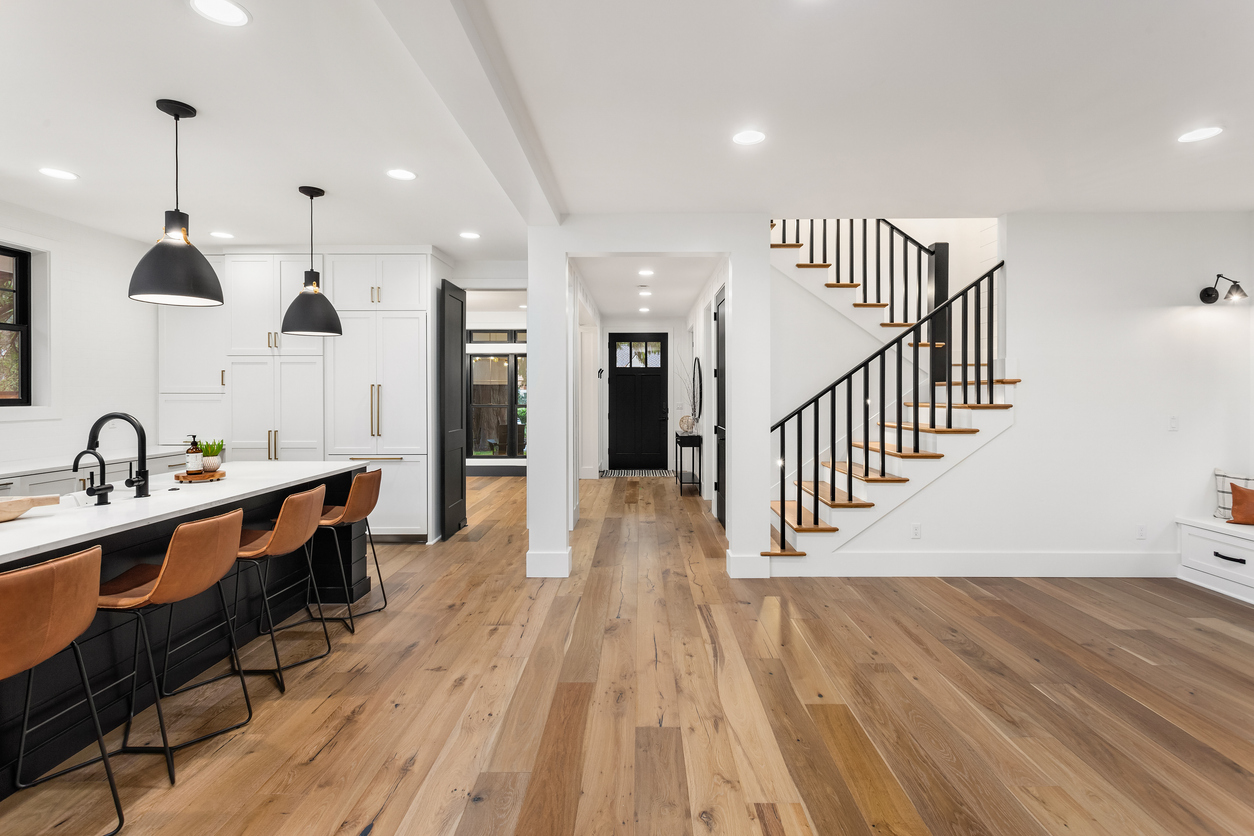
Explore assisted living investment opportunities, including market trends, investment models, expected returns, key risks, and strategies for investing in assisted living properties and senior housing. Fraser Bond provides expert insights into one of the fastest-growing sectors of the global real estate market.
Assisted living has become one of the most resilient and attractive sectors in real estate investment. Driven by ageing populations, increasing life expectancy, and rising demand for specialist care, assisted living communities continue to attract institutional investors, private equity firms, real estate investment trusts (REITs), family offices, and individual property investors.
Unlike traditional residential property, assisted living investments combine real estate with long-term operational income, creating opportunities for stable occupancy and recurring revenue.
What Is Assisted Living Investment?
Assisted living investment involves purchasing, developing, financing, or operating properties that provide accommodation and support services for older adults who require assistance with daily living while maintaining a degree of independence.
Investment opportunities include:
- Purpose-built assisted living developments
- Retirement communities
- Extra care housing
- Senior living villages
- Care home acquisitions
- Development land for assisted living projects
- Real estate investment trusts (REITs) focused on senior housing
- Joint ventures with healthcare operators
Why Invest in Assisted Living?
Growing Demographic Demand
The primary driver is the ageing population.
Key trends include:
- Increasing life expectancy
- Rising demand for age-friendly housing
- Growing number of people aged 65 and over
- Greater need for supported independent living
- Increasing prevalence of chronic health conditions
These long-term demographic trends provide sustained demand for assisted living accommodation.
Benefits of Assisted Living Investment
Investors are attracted by several advantages:
Stable Occupancy
Demand for quality assisted living often remains resilient through different economic cycles.
Long-Term Income
Properties may generate recurring rental income alongside service charges and management fees.
Defensive Asset Class
Senior housing is generally considered less sensitive to short-term economic fluctuations than some other real estate sectors.
Portfolio Diversification
Adding healthcare-related real estate can help diversify residential or commercial property portfolios.
Potential for Capital Growth
Well-located developments in areas with strong demographic demand may appreciate in value over time.
Types of Assisted Living Investments
Direct Property Investment
Purchasing or developing an assisted living property and either operating it directly or leasing it to a specialist provider.
Development Projects
Investing in land acquisition, planning, construction, and sale or long-term operation of assisted living schemes.
REITs
Investing in publicly traded companies that own senior housing and healthcare real estate.
Private Equity
Participating in private funds focused on healthcare infrastructure and senior living developments.
Joint Ventures
Partnering with experienced developers or operators to reduce operational complexity while sharing returns.
Typical Investment Returns
Returns vary depending on location, operational model, financing, and market conditions.
Potential income sources include:
- Rental income
- Service charges
- Lease payments from operators
- Capital appreciation
- Development profits
- Asset management fees
Actual returns depend on occupancy, operating costs, financing, and the quality of the underlying asset. Investors should conduct thorough financial analysis before committing capital.
Key Investment Considerations
Before investing, assess:
- Local demand for assisted living
- Demographic trends
- Planning and zoning requirements
- Regulatory environment
- Operator experience and financial strength
- Occupancy history
- Staffing availability
- Healthcare partnerships
- Competition from nearby developments
- Exit strategy
Risks of Assisted Living Investment
Like all investments, assisted living carries risks, including:
- Regulatory changes
- Rising staffing and operating costs
- Planning delays
- Construction cost inflation
- Changes in healthcare funding
- Market competition
- Lower-than-expected occupancy
- Interest rate increases affecting financing
A comprehensive due diligence process can help identify and mitigate these risks.
Financing Assisted Living Projects
Funding options may include:
- Commercial mortgages
- Development finance
- Institutional investment
- Private equity
- Joint venture funding
- Family office capital
- Infrastructure investment funds
The most suitable financing structure depends on the project's size, stage, and risk profile.
Emerging Trends in Assisted Living Investment
Current market trends include:
- Technology-enabled smart living communities
- Sustainable and energy-efficient developments
- Mixed-use retirement villages
- Integrated healthcare and wellness facilities
- Flexible care models
- ESG-focused investment strategies
- Increased institutional investment in senior housing
These trends are shaping the future of assisted living developments worldwide.
Why Work with Fraser Bond?
Fraser Bond advises investors, developers, operators, and property owners across the healthcare and residential real estate sectors.
Our expertise includes:
- Assisted living investment advisory
- Site acquisition and development consultancy
- Market analysis and feasibility studies
- Property investment strategy
- Healthcare real estate advisory
- Senior housing market insights
- Investment introductions and partnerships
We help clients identify opportunities aligned with long-term demographic and market trends.
Conclusion
Assisted living represents a growing segment of the real estate market, supported by strong demographic fundamentals and increasing demand for high-quality senior housing. While opportunities for stable income and long-term growth exist, successful investments depend on careful due diligence, experienced operators, and a clear understanding of local market conditions.
Whether you are considering your first assisted living investment or expanding an existing healthcare property portfolio, professional advice can help you evaluate opportunities, manage risks, and develop an investment strategy suited to your objectives..