Auction Properties London Below Market Value - Finding Genuine Property Deals
Auction properties in London can provide opportunities to buy houses, flats and investment properties below their potential market value. However, a low auction guide price does not automatically mean a property is being sold below market value. Buyers need to compare the property with similar local sales and account for repairs, fees, finance and legal issues.
London's auction market remains active in 2026, with hundreds of residential lots available across different areas. Current catalogues include vacant, unmodernised and investment properties at a wide range of guide prices.
Where to Find London Auction Properties
Buyers looking for potential below-market opportunities can search:
-
London property auction houses
-
Online property auctions
-
Repossessed property sales
-
Probate and executor sales
-
Renovation properties
-
Vacant properties
-
Mortgagee-in-possession sales
-
Distressed property listings
Outer London areas can sometimes offer lower entry prices than prime central locations, although the condition and type of property can make a significant difference.
What Does Below Market Value Actually Mean?
A property is not necessarily below market value simply because its guide price looks cheap.
For example, a two-bedroom flat with a £180,000 guide price could appear attractive, but if comparable properties are selling for £190,000 and the flat requires £30,000 of work, it may not represent a genuine bargain.
Look at:
-
Recent comparable sales
-
Property size
-
Condition
-
Location
-
Tenure
-
Lease length
-
Service charges
-
Rental potential
-
Renovation costs
The objective is to establish what the property is realistically worth rather than relying on the auction guide price.
Current London Auction Opportunities
Current London auction catalogues show how widely prices can vary. Recent listings include unmodernised flats in areas such as Penge, Tulse Hill, Woolwich and South Norwood with guide prices from around £105,000 to £200,000. Houses and larger investment properties can have substantially higher guide prices.
For example, current auction listings include a vacant three-bedroom house in Leyton with a guide price of £350,000 and a freehold property in Edmonton with a guide price of £250,000.
These figures are guide prices, not guaranteed purchase prices. Competition can push the final price higher.
Look for Unmodernised Properties
Properties requiring refurbishment can sometimes provide more potential for buying below the value of a finished property.
Consider properties needing:
-
Kitchen replacement
-
Bathroom renovation
-
Rewiring
-
Plumbing
-
Heating upgrades
-
New windows
-
Damp treatment
-
Structural repairs
-
General decoration
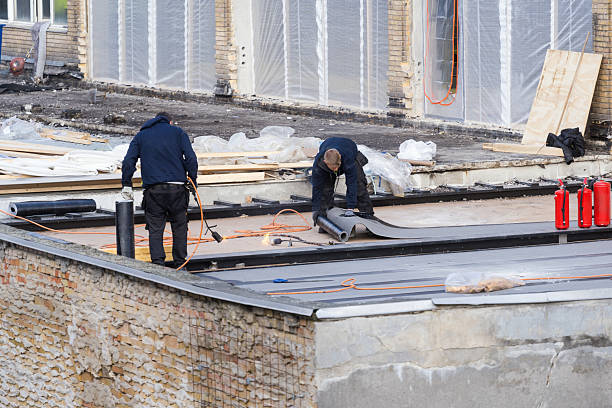
Before bidding, obtain realistic renovation estimates. A large discount can disappear quickly when major building work is required.
Check Leasehold Properties Carefully
Many cheaper London auction properties are flats and therefore may be leasehold.
Check:
-
Remaining lease term
-
Service charge
-
Ground rent provisions
-
Planned major works
-
Building insurance arrangements
-
Restrictions in the lease
-
Any arrears or liabilities
A cheap flat with a problematic lease or substantial service charge may be less attractive than a more expensive property with stronger fundamentals.
Review the Legal Pack Before Bidding
Never rely solely on the property advertisement.
Have a solicitor or conveyancer review the auction legal pack before you bid. Pay particular attention to title information, special conditions, restrictions, tenancy arrangements and additional fees.
This is especially important because a successful bid at a traditional auction can create a binding contract.
Work Out Your Maximum Bid
A useful calculation for an investment or renovation property is:
Expected market value - renovation costs - purchase costs - finance costs - contingency = maximum sensible bid
For example, if a renovated property could realistically be worth £400,000 and you estimate £60,000 for refurbishment and £20,000 for other costs, paying £320,000 may leave little margin.
Your calculation should also allow for unexpected expenses.
Can You Finance an Auction Property?
Yes, but finance should normally be arranged before bidding.
A property in reasonable condition may qualify for a conventional mortgage. Severely damaged or uninhabitable properties may require cash, bridging finance or specialist refurbishment funding.
Check the lender's requirements against the property's condition and make sure the finance can meet the auction completion deadline.
Fraser Bond London Property Support
Fraser Bond provides practical London property consultancy and transaction support for buyers, investors and international clients.
Our support can include property sourcing, auction opportunity assessment, market research, due diligence coordination, purchase planning and renovation analysis.
If you want to find auction properties in London below market value, Fraser Bond can help you assess whether a potential property represents genuine value rather than simply having an attractive guide price.
Find the Real Bargain
The best London auction property is not necessarily the one with the lowest guide price. A genuine bargain is one where the purchase price, renovation costs, legal position and potential market value leave a sensible margin.
Research comparable properties, inspect the building, review the legal pack and set a firm maximum bid before entering the auction.