Autism Residential Property - UK Property Guide
Finding and adapting residential property for autistic people, supported living providers and specialist housing requirements across the UK
Autism residential property requires careful consideration of the people who will live there, the level of support involved and the practical characteristics of the building. A standard house or flat may provide accommodation, but it may not necessarily provide the right environment for an autistic resident or supported living service.
For landlords, investors, developers and care or support providers, suitable property can include adapted houses, self-contained flats, purpose-designed supported housing and other residential accommodation configured around individual needs.
Fraser Bond assists clients with property sourcing, acquisition, lettings, refurbishment and ongoing property management across London and the wider UK.
What is autism residential property?
Autism residential property refers to residential accommodation intended for autistic people, either as ordinary housing with appropriate adaptations or as specialist accommodation where care, support or supervision is provided.
The property model can vary considerably. Examples include:
-
Self-contained flats
-
Supported living apartments
-
Shared residential houses
-
Adapted bungalows
-
Specialist supported housing schemes
-
Purpose-designed apartments
-
Individual houses leased to supported living providers
-
Residential care properties
Supported housing can combine accommodation with support, supervision or care to help people live as independently as possible. Government guidance specifically recognises autistic people among the groups that may use supported housing.
What should an autism residential property provide?
There is no universal specification because autistic residents can have very different needs. However, the physical environment can have a significant effect on comfort, independence and day-to-day living.
Potential considerations include:
-
Quiet bedrooms and living areas
-
Good natural lighting
-
Appropriate artificial lighting
-
Reduced background noise
-
Simple and easy-to-understand layouts
-
Private outdoor space where possible
-
Accessible entrances
-
Suitable bathrooms
-
Adequate storage
-
Safe kitchens
-
Durable fixtures and fittings
-
Space for support workers where required
-
Good access to local services
Sensory requirements deserve particular attention. Noise from busy roads, neighbouring properties, communal areas or mechanical equipment can affect whether a property is appropriate for a particular resident.
Current English supported housing guidance also identifies accessibility, sensory needs, space standards, transport links, green spaces and community integration as relevant considerations when councils plan supported housing.
Houses for autistic people
A conventional house can sometimes be adapted for autism residential use.
Properties with several bedrooms, multiple bathrooms, generous communal space and a suitable garden can be particularly useful for certain supported living arrangements.
However, the number of bedrooms alone should not determine suitability. The internal layout, privacy, noise levels, location, access and potential adaptation costs should all be considered.
A large property in an isolated location may be less practical than a smaller property with good access to shops, healthcare, public transport, employment and community facilities.
Self-contained flats for autistic residents
Self-contained accommodation can provide greater privacy and independence.
A flat may be suitable where an individual needs their own kitchen, bathroom and living space while receiving visiting or on-site support.
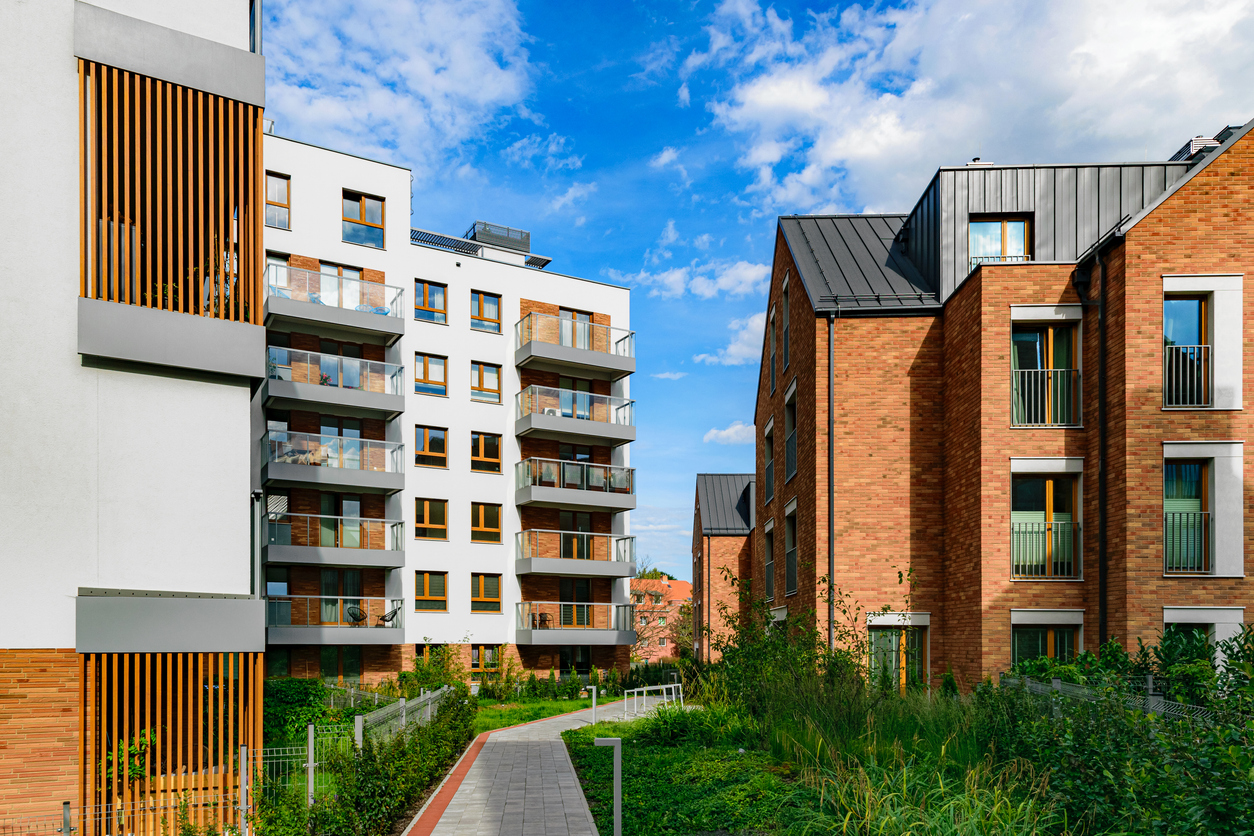
For developers and investors, a scheme containing several self-contained units can also provide a different model from a traditional shared house.
The suitability of a flat will depend on factors such as accessibility, sound insulation, building management, communal areas and the resident's individual support requirements.
Buying autism residential property
Anyone considering purchasing an autism residential property should assess more than the property's market value.
Before committing to a purchase, it can be useful to examine:
Layout and accommodation: Does the property provide the required bedrooms, bathrooms, living areas and privacy?
Condition: Will the building require electrical, plumbing, heating, roofing or general refurbishment work?
Accessibility: Can the property accommodate residents with relevant mobility or accessibility requirements?
Sensory environment: Is the building affected by excessive traffic noise, poor acoustics, harsh lighting or other environmental factors?
Location: Are shops, healthcare, transport, leisure facilities and community services reasonably accessible?
Planning and permitted use: Does the intended use require planning consideration or other approvals?
Adaptation costs: What will it cost to modify the property to meet the intended requirements?
These checks can prevent an apparently inexpensive property from becoming an expensive specialist accommodation project.
Adapting residential property for autism
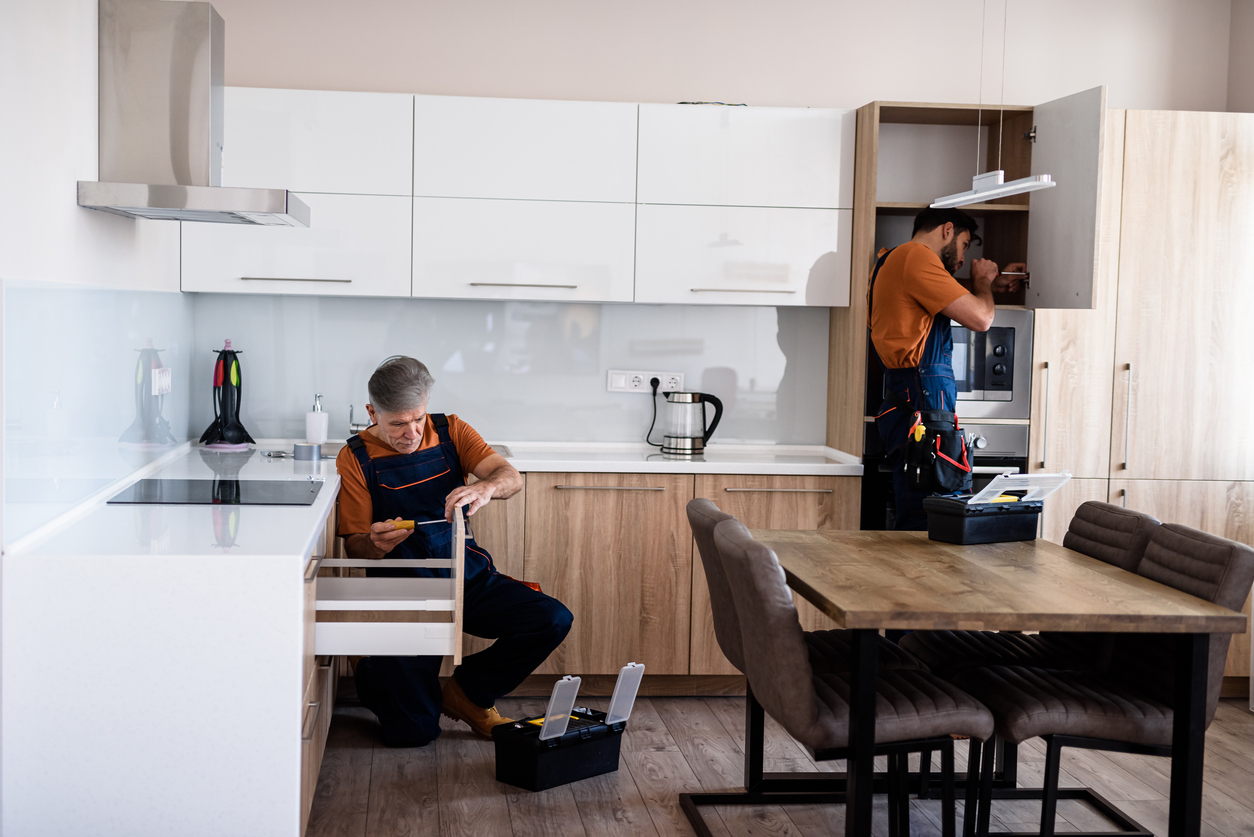
Some properties require relatively minor changes, while others may need substantial refurbishment.
Potential works include:
-
Bathroom adaptations
-
Improved acoustic insulation
-
Safer flooring
-
Lighting alterations
-
Kitchen modifications
-
Door and access improvements
-
Additional storage
-
Heating and ventilation improvements
-
Garden improvements
-
Fire-safety works
-
Internal reconfiguration
-
Installation of appropriate safety features
The objective should generally be to create a comfortable residential environment rather than an unnecessarily institutional setting.
Government housing guidance recognises purpose-designed or adapted supported housing for working-age disabled people, including accommodation where care and support are provided to help residents live independently.
Leasing residential property to an autism provider
A landlord does not necessarily have to operate the support service themselves.
An alternative arrangement can involve leasing a suitable residential property to an established supported living or care provider, subject to the appropriate contractual, planning and regulatory arrangements.
Before agreeing to a lease, the landlord should understand:
-
The proposed use
-
The provider's responsibilities
-
Lease duration
-
Repair obligations
-
Refurbishment responsibilities
-
Insurance requirements
-
Alteration permissions
-
Compliance responsibilities
-
Rent review arrangements
-
Reinstatement obligations
The distinction between the property and the care or support service is important. Supported housing can involve separate housing and support arrangements, while regulated personal care may create additional requirements for the service provider.
Autism residential property investment
Autism residential property can form part of a specialist housing investment strategy, but investors should assess the fundamentals of each opportunity rather than treating specialist use as a guarantee of investment performance.
Important considerations include:
-
Local demand
-
Acquisition price
-
Refurbishment requirements
-
Adaptation costs
-
Potential rental income
-
Lease structure
-
Provider strength
-
Property management requirements
-
Vacancy risk
-
Long-term maintenance
-
Exit options
In England, current government housing policy explicitly supports increasing specialist and supported housing for disabled people and includes purpose-designed and designated supported living within the types of accommodation recognised by the Social and Affordable Homes Programme.
Finding autism residential property in London and the UK
Finding suitable autism residential property can require a more targeted search than conventional residential property sourcing.
The right search should consider the intended residents, accommodation model, support requirements, location, property size, accessibility, sensory environment and potential refurbishment.
Fraser Bond can assist landlords, investors, developers and organisations looking for suitable property across London and the wider UK, including property sourcing, acquisitions, lettings, refurbishment coordination and property management.
For an existing property owner, a professional assessment can also help establish whether the building could realistically be adapted for autism-related residential use.
Managing autism residential property
Management does not end when the property has been acquired or leased.
Specialist residential properties can require responsive maintenance, regular inspections and careful coordination with tenants, providers and contractors.
Property management may include:
-
Routine inspections
-
Repairs and maintenance
-
Emergency works
-
Contractor coordination
-
Refurbishment planning
-
Landlord reporting
-
Property compliance support
-
Provider liaison
The exact responsibilities depend on the lease, tenancy arrangement and operating model.
Working with Fraser Bond
Fraser Bond provides property services for landlords, investors, developers and organisations across London and the wider UK.
For an autism residential property requirement, Fraser Bond can support the property side of the process, from identifying potential buildings and assessing opportunities through to acquisition, lettings, refurbishment and ongoing management.
Whether you are looking to buy autism residential property, adapt an existing house, lease property to a supported living provider or manage a specialist residential asset, the starting point should be a clear understanding of the accommodation and property requirements.