Bin Cleaning – Professional Wheelie Bin Cleaning Services
Bin cleaning is the process of washing, disinfecting and deodorising household or commercial waste bins to remove accumulated dirt, food residue, unpleasant smells and other contamination. Regular wheelie bin cleaning can be particularly useful during warmer weather, when organic waste left inside bins can quickly become unpleasant.
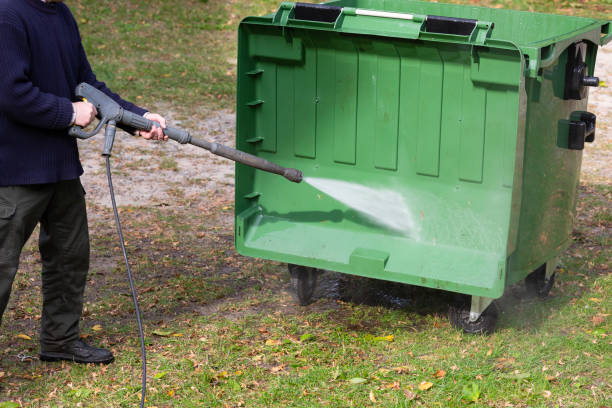
Professional services typically clean bins after waste collection, using pressure-washing or specialist bin-cleaning equipment before returning the bin to the property. For homeowners, landlords, apartment managers and commercial premises, scheduled cleaning can be an easier alternative to manually washing large wheelie bins.
Through FraserBond.com, homeowners, landlords, investors and property managers can explore cleaning, waste-area maintenance and wider property-maintenance services across London and the UK.
What Is Professional Bin Cleaning?
Professional bin cleaning normally involves more than simply rinsing the inside with a hose.
Depending on the provider, the process can include:
- Removing loose residue
- High-pressure washing
- Cleaning the interior
- Cleaning the lid
- Cleaning handles
- Washing external surfaces
- Applying an appropriate cleaning or disinfecting product
- Deodorising
- Returning the bin to its collection point
The precise process varies, so check what a company includes before arranging a regular service.
Wheelie Bin Cleaning
Wheelie bins can become dirty because waste bags sometimes:
- Split
- Leak
- Overflow
- Contain food residue
- Leave liquids behind
Once contamination reaches the bottom or sides of the bin, simply replacing the rubbish bag does not remove it.
A professional wheelie bin cleaning service can periodically wash the container after it has been emptied.
Why Clean Your Bins?
Regular bin cleaning can help control:
- Unpleasant smells
- Sticky residues
- Food deposits
- General grime
- Fly attraction
- Maggot problems
- Mould and organic contamination
Cleaning does not replace good waste management. Bags should still be properly sealed, bins should not be overloaded, and waste should be disposed of according to the relevant local collection arrangements.
How to Clean a Wheelie Bin
If you want to clean a household wheelie bin yourself, a basic approach is:
- Wait until the bin has been emptied.
- Remove remaining loose waste safely.
- Add water and an appropriate cleaning product according to its instructions.
- Scrub contaminated internal surfaces.
- Pay attention to the lid and handles.
- Rinse thoroughly.
- Allow the bin to drain and dry where practical.
- Wash your hands afterwards.
Wear suitable gloves and avoid direct contact with waste residue.
Never mix cleaning chemicals unless their manufacturers specifically state that doing so is safe.
Pressure Washing Wheelie Bins
Pressure washing can remove stubborn contamination more effectively than a simple rinse.
However, wastewater needs to be managed responsibly.
The Environment Agency explains that contaminated water from cleaning activities should not simply be allowed to enter surface-water drains. Businesses in particular need to understand where their drainage goes and prevent polluting discharges.
A professional mobile bin-cleaning system may therefore include wastewater collection rather than allowing dirty water to run along the street.
Bin Cleaning and Disinfection
Cleaning and disinfecting are related but different processes.
Cleaning removes dirt and organic material.
Disinfection uses an appropriate product or process to reduce microorganisms on a cleaned surface.
Heavy dirt can reduce the effectiveness of some disinfectants, so removing physical contamination first is important.
Always follow the product's dilution, contact-time and safety instructions.
How Often Should You Clean a Wheelie Bin?
There is no universal schedule.
Frequency depends on:
- Type of waste
- Collection frequency
- Season
- Household size
- Bin condition
- Food-waste arrangements
Some households may want cleaning after every collection, while others may arrange monthly or occasional deep cleaning.
Bins containing significant food residue generally require more attention than containers used mainly for clean, dry recycling.
Bin Cleaning in Summer
Warm weather can make poorly maintained bins particularly unpleasant.
Food residue can contribute to:
- Strong smells
- Flies
- Maggots
- Faster decomposition
Keeping waste securely contained and the bin reasonably clean can help reduce these problems.
How to Get Rid of Maggots in a Bin
Maggots usually indicate that flies have gained access to suitable organic waste.
After the waste has been collected, clean the affected bin thoroughly and remove residual organic material.
To reduce recurrence:
- Seal food waste appropriately.
- Keep the lid closed.
- Avoid leaving loose food inside the bin.
- Clean spillages.
- Follow local food-waste collection arrangements.
If using insecticides or other pest-control products, follow the label precisely and consider risks to children, pets and wildlife.
How to Stop Wheelie Bins Smelling
Odour control begins with the waste itself.
Helpful measures include:
- Secure rubbish bags.
- Avoid putting leaking bags into the bin.
- Clean spills promptly.
- Keep the lid closed.
- Follow local food-waste rules.
- Clean the bin periodically.
Adding fragrance without removing the contamination usually masks rather than solves the problem.
Food Bin Cleaning
Food-waste containers can require more frequent cleaning than general recycling bins because organic residue decomposes.
Clean:
- Interior walls
- Bottom
- Lid
- Rim
- Handles
If your council supplies a food caddy or specifies liners, follow its instructions about acceptable bags and waste.
Recycling Bin Cleaning
Recycling bins can also become contaminated.
Problems can include:
- Drink residue
- Food remaining in packaging
- Broken containers
- Sticky liquids
Follow your local authority's recycling instructions because acceptable materials and preparation requirements differ between councils.
Commercial Bin Cleaning
Businesses can require cleaning for:
- General-waste bins
- Recycling bins
- Food-waste containers
- Large wheeled bins
- Bin stores
- Waste compounds
Particularly relevant premises include:
- Restaurants
- Cafés
- Offices
- Hotels
- Apartment buildings
- Retail properties
- Schools
Commercial cleaning arrangements should account for both hygiene and wastewater management.
Restaurant Bin Cleaning
Food-service premises can generate substantial organic waste.
A cleaning programme can include:
Waste Containers + Lids + Handles + Bin Store + Surrounding Washable Surfaces
The Food Standards Agency advises food businesses to keep waste stores clean and free from animals and pests, with rubbish removed frequently enough to prevent accumulation.
Bin cleaning should therefore form part of a wider waste-management and pest-prevention system.
Bin Store Cleaning
In blocks of flats and commercial properties, the problem may extend beyond individual bins.
Communal bin stores can accumulate:
- Leaking liquids
- Loose rubbish
- Food residue
- Dirt
- Odours
Cleaning may therefore need to cover the floor and other appropriate washable surfaces as well as the containers themselves.
Bin Cleaning for Blocks of Flats
Property managers and managing agents may arrange scheduled cleaning for communal waste facilities.
A planned service can include:
- Wheelie bins
- Larger waste containers
- Bin-room floors
- Washable walls where appropriate
- Doors and handles
- Deodorising
- Reporting damaged containers
Cleaning frequency can be adjusted according to occupancy and waste volumes.