Blocked Gutter - Causes, Warning Signs, Cleaning and Property Maintenance Guide
A blocked gutter can appear to be a minor maintenance problem, but if rainwater cannot drain correctly, it can overflow onto walls, roofs and surrounding ground. Over time, persistent gutter problems may contribute to damp patches, staining, damaged exterior finishes and deterioration around rooflines.
For UK homeowners, landlords and property managers, keeping gutters and downpipes clear is an important part of preventative property maintenance. This is especially relevant during autumn and periods of heavy rainfall, when leaves, moss and other debris can quickly restrict rainwater systems.
What Causes a Blocked Gutter?
Gutters are designed to collect rainwater from the roof and direct it towards downpipes. Problems develop when debris prevents water from flowing freely.
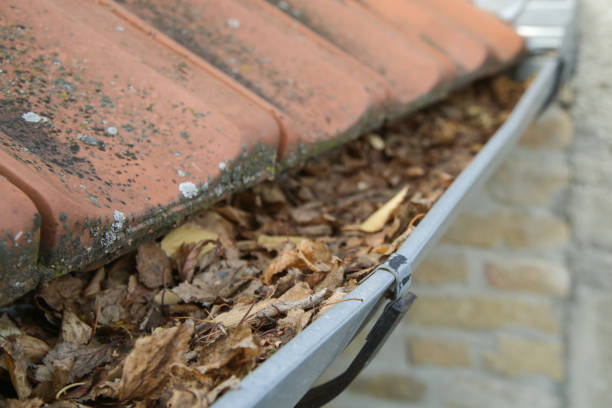
Leaves are one of the most common causes, particularly where mature trees are close to a building. Moss can also detach from roof surfaces and collect inside guttering.
Other potential causes include:
-
Leaves and twigs
-
Roof moss
-
Dirt and organic debris
-
Bird nesting material
-
Loose roofing material
-
Debris around gutter outlets
-
Blocked downpipes
-
Poorly aligned or sagging gutters
-
Damaged gutter joints
-
Insufficient gutter capacity during heavy rainfall
Sometimes the gutter itself is relatively clear but the downpipe is obstructed, producing similar symptoms.
Signs of a Blocked Gutter
Overflowing water during rainfall is one of the clearest signs of a blockage.
Water may pour over one section of guttering instead of travelling towards the downpipe. You might also notice plants or moss growing from the gutter, staining on external walls or water dripping from unusual locations.
Other warning signs include damp patches close to roof level, persistent water around the building after rainfall and gutters that visibly sag under the weight of accumulated debris.
A blockage can be difficult to identify during dry weather, so observing the rainwater system during rainfall can sometimes reveal problems that are otherwise hidden.
Why Are Blocked Gutters a Problem?
The primary purpose of guttering is to move rainwater away from vulnerable parts of the building.
When a gutter is blocked, water can overflow repeatedly against exterior walls. Persistent saturation can contribute to staining and may aggravate existing defects in brickwork, render or other external finishes.
Water can also spill around windows, doors and roof edges.
At ground level, large volumes of water being discharged in the wrong location can saturate areas immediately surrounding the building.
The presence of a blocked gutter does not automatically mean that structural damage or damp has occurred, but leaving the problem unresolved increases the potential for secondary maintenance issues.
Blocked Gutter and Damp Problems
Homeowners sometimes discover a damp patch and immediately assume there is a plumbing leak or serious structural problem.
External rainwater management should also be considered.
If damp appears or worsens after rainfall, inspect nearby gutters and downpipes. Water overflowing repeatedly against an external wall can contribute to moisture problems, particularly where the building already has defects.
Clearing the gutter may resolve the source of excess rainwater, but existing damp or damaged finishes may still require separate investigation.
Where moisture persists after the rainwater system has been repaired, professional assessment may be appropriate.
Blocked Downpipes
A blocked downpipe can cause water to accumulate in otherwise clean gutters.
Leaves, moss and other debris can enter the top of a downpipe and become trapped further down. In some cases, the blockage occurs where the downpipe connects to a gully or underground drainage system.
If the gutter fills rapidly despite appearing relatively clear, the outlet or downpipe should be investigated.
Water emerging from joints in the downpipe can also indicate that wastewater is unable to travel through the system normally.
Where the downpipe connects to underground drainage, it may be necessary to establish whether the obstruction is above or below ground.
How to Clear a Blocked Gutter
Where gutters are safely accessible, accumulated leaves and loose debris can sometimes be removed as part of routine maintenance.
However, working at height introduces significant safety risks. Homeowners should not use unsuitable ladders, climb onto roofs or attempt difficult gutter access without appropriate equipment and experience.
Professional gutter cleaning services can use suitable access equipment and specialist tools to remove debris.
Vacuum-based gutter cleaning systems may also allow contractors to clean some high-level gutters from ground level.
After cleaning, the system should be checked to ensure water can flow correctly through the gutter and downpipe.
Can You Unblock a Gutter Without a Ladder?
In some circumstances, yes.
Professional gutter-cleaning equipment can include telescopic poles and high-powered vacuum systems designed to remove debris from ground level.
Camera equipment may also be used to inspect high-level gutters before and after cleaning.
This can be particularly useful for taller houses, apartment buildings and commercial premises where traditional ladder access is difficult or inappropriate.
The suitability of a particular cleaning method depends on the building, gutter height, accessibility and type of obstruction.
How Often Should Gutters Be Cleaned?
There is no single cleaning schedule suitable for every property.
A house surrounded by mature trees may require gutter inspection more frequently than a property with relatively little nearby vegetation.
Autumn can be particularly important because falling leaves can quickly accumulate in gutters and downpipes. A further inspection after winter may also identify debris, storm damage or displaced components.
Landlords and property managers responsible for larger buildings may benefit from incorporating gutter inspections into planned maintenance rather than waiting for an overflow to occur.
Blocked Gutters in Rental Properties
Gutter maintenance can become important for landlords because unresolved rainwater problems may eventually affect the condition of the property.
Where gutters are part of the building's exterior drainage system, landlords should ensure that maintenance responsibilities are understood and that reported defects are investigated appropriately.
Tenants can also help by reporting visible overflowing gutters, leaks or damp patches promptly rather than allowing problems to continue unnoticed.
Landlords should keep records of inspections, contractor visits and repairs, particularly where a property has experienced previous damp or rainwater problems.
Fraser Bond supports landlords with lettings, compliance guidance and property advisory services, helping owners take a proactive approach to protecting rental assets.
Blocked Gutters in London Properties
Gutter maintenance can be particularly challenging across London's varied housing stock.
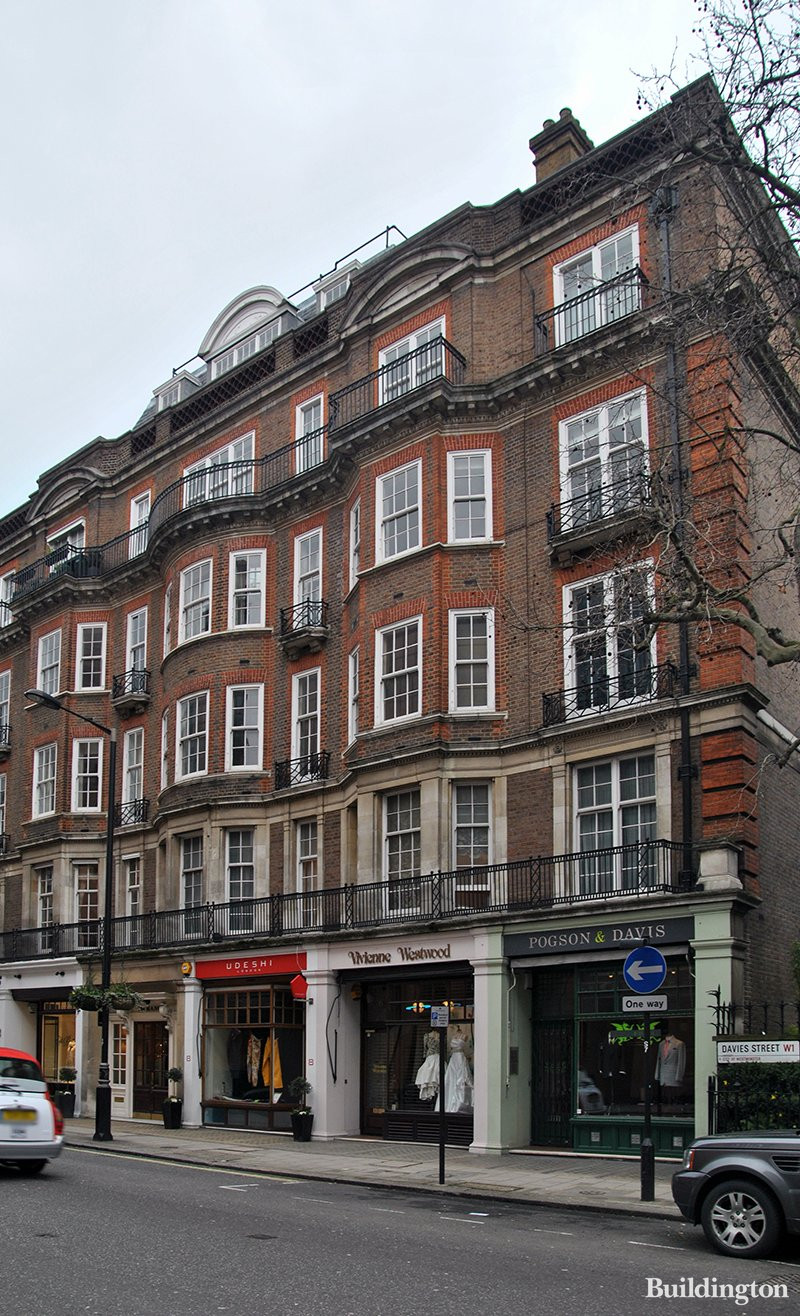
Victorian and Edwardian terraces, converted houses, mansion blocks and other period properties can have rainwater systems that are difficult to access. Extensions and later alterations can also create complicated roof and gutter arrangements.
In densely developed areas, overflowing water can potentially affect neighbouring structures or shared areas.
Landlords, freeholders and managing agents should therefore investigate recurring gutter problems rather than repeatedly addressing internal damp symptoms without considering the external source.
Gutter Problems in Flats and Apartment Buildings
Responsibility for gutter maintenance can be less straightforward in blocks of flats.
Gutters and external rainwater systems may form part of the building's communal structure rather than an individual apartment. Leaseholders experiencing water ingress should report the problem through the appropriate freeholder or managing agent where communal components are involved.
A blocked gutter affecting one flat may originate from a section of roof serving several properties.
Understanding the building's maintenance arrangements can therefore be important before commissioning private work.
Blocked Gutters in Commercial Properties
Commercial buildings can contain substantial roof areas that collect large volumes of rainwater.
Warehouses, offices, retail units and mixed-use developments may have multiple gutters, outlets, downpipes and flat-roof drainage points.
A single obstruction can sometimes cause significant localised overflow during heavy rainfall.
Commercial landlords and facilities managers may benefit from planned inspection and cleaning, particularly where roof drainage failure could affect tenants, stock, electrical equipment or customer areas.
Preventative maintenance can also help identify damaged joints, loose components and other defects before they develop into larger problems.
Can Blocked Gutters Damage a Roof?
A blocked gutter does not automatically mean the roof itself is damaged.
However, water overflowing or accumulating around the roof edge can expose existing weaknesses and contribute to deterioration of fascia boards, soffits and surrounding materials.
If water is entering the roof space or appearing internally around ceilings and upper walls, the gutter should be considered alongside roof coverings, flashing and other possible sources.
A roofing professional may be required where the source cannot be identified safely from ground level.
Preventing Gutter Blockages
Regular inspection is the simplest preventative measure.
Removing accumulated debris before the gutter becomes completely obstructed can reduce the likelihood of overflowing water. Nearby trees may also increase the frequency at which maintenance is required.
Gutter guards or leaf-protection systems can reduce some debris entering the gutter, although they do not eliminate the need for inspection and maintenance.
Downpipe outlets should also remain clear because a clean gutter cannot operate correctly if water has nowhere to discharge.
Blocked Gutters When Buying a Property
Gutters are worth checking when viewing a property, particularly if there is evidence of damp or staining around exterior walls.
Sagging guttering, vegetation growing from gutters, damaged downpipes and extensive staining can indicate that maintenance has been neglected.
For buyers considering older London properties, rainwater goods should be assessed alongside the roof, external walls, drainage and other building components.
A surveyor can provide further guidance where there is evidence that prolonged water exposure may have affected the property.
For investors, identifying these maintenance requirements before acquisition can help produce a more realistic refurbishment budget.
When Should You Call a Gutter Cleaning Professional?
Professional assistance is sensible where gutters are high, difficult to reach or heavily obstructed.
It may also be appropriate where cleaning does not resolve the problem, the gutter is damaged or water appears to be backing up from a blocked downpipe.
Recurring overflow may indicate incorrect gutter alignment, inadequate capacity, damaged components or a problem with the drainage connection below.
Rather than repeatedly removing visible debris, establishing the underlying cause can provide a more durable solution.
Property Maintenance and Investment Support from Fraser Bond
A blocked gutter is usually a straightforward maintenance problem, but neglected rainwater systems can contribute to more expensive property defects.
For landlords and investors, preventative maintenance helps protect the condition, presentation and long-term value of an asset.
FraserBond.com supports homeowners, landlords, buyers, sellers, investors and developers through property sales, lettings, compliance support and investment advisory services.
Fraser Bond combines London market expertise with location-specific property insight, helping clients assess acquisitions, prepare properties for letting, manage investment considerations and position assets for sale.
Visit FraserBond.com to explore London properties for sale and rent and access professional property guidance.