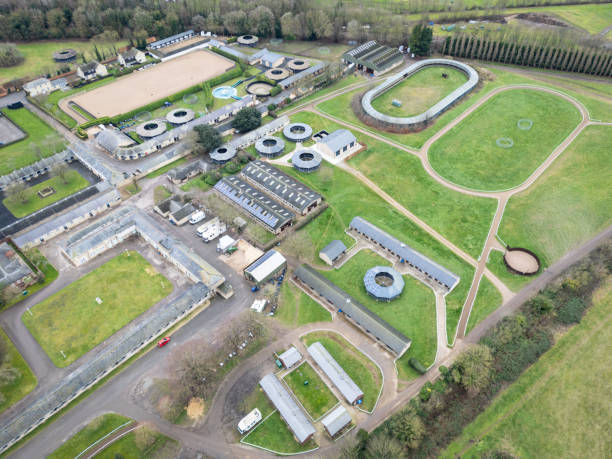
Care Home Landlord Management: Managing UK Care Home Property Effectively
A practical guide for landlords, investors and property owners managing care homes across London and the UK
Care home landlord management requires a different approach from managing a standard residential or commercial property. A care home is a specialist building where accommodation, care and day-to-day operations depend heavily on the condition and reliability of the property.
For landlords, the responsibility may extend well beyond collecting rent. Depending on the lease and the agreed division of responsibilities, the landlord may need to coordinate repairs, planned maintenance, refurbishment, building compliance, contractors and major works while working closely with the care operator.
In England, CQC regulates care home services where personal care and accommodation are provided together. CQC states that both the care and the premises are regulated, making the condition and suitability of the property an important consideration for the operator.
What does care home landlord management involve?
Care home landlord management is the professional management of a property occupied or intended to be occupied by a care home operator.
The landlord may own:
-
Residential care homes
-
Nursing homes
-
Dementia care homes
-
Specialist care homes
-
Mental health care properties
-
Learning disability care homes
-
Physical disability care properties
-
Former care homes awaiting refurbishment
-
Specialist healthcare buildings
The precise landlord responsibilities will depend on the lease, but property management commonly involves coordinating the physical building rather than managing the care service itself.
A landlord may therefore be responsible for matters such as:
-
Building repairs
-
Planned maintenance
-
Roof and external repairs
-
Heating and hot water systems
-
Electrical works
-
Plumbing
-
Fire safety systems
-
Building inspections
-
Accessibility works
-
Grounds maintenance
-
Refurbishment
-
Contractor management
-
Insurance-related works
-
Major capital expenditure
The care operator remains responsible for its own regulated care activities and operational responsibilities.
Understand the difference between the property and the care business
One of the most important principles for a care home landlord is understanding where the property owner's responsibilities end and the operator's responsibilities begin.
A care home is both a property and a regulated service. CQC describes care homes as places where accommodation and personal care are provided together, with both the care and premises regulated.
However, the landlord does not automatically become responsible for the operator's regulated activities simply because they own the building.
The lease should therefore clearly establish responsibilities for:
-
Repairs
-
Structural works
-
Internal maintenance
-
External maintenance
-
Mechanical and electrical systems
-
Fire safety systems
-
Equipment
-
Decoration
-
Grounds
-
Statutory inspections
-
Insurance
-
Compliance-related works
A well-defined repairing and maintenance structure can reduce disputes and make it easier for both parties to respond quickly when problems occur.
Review the care home lease carefully
The lease is central to effective care home landlord management.
Before taking over management of an occupied care property, the landlord should establish exactly what the tenant is responsible for and what remains the landlord's obligation.
Important areas to review include:
-
Repairing obligations
-
Structural responsibilities
-
Roof maintenance
-
Plant and machinery
-
Heating systems
-
Electrical systems
-
Fire protection systems
-
Decoration
-
External areas
-
Garden maintenance
-
Insurance
-
Service charges
-
Compliance responsibilities
-
Dilapidations
-
Alterations
-
Refurbishment
-
Assignment and subletting
-
Break clauses
-
Rent review provisions
This becomes particularly important where the care home has operated from the property for many years and the building requires significant investment.
Planned maintenance should be part of the landlord strategy
Reactive repairs can become expensive when a landlord only responds after something fails.
A planned maintenance programme can help identify issues before they become major problems.
Depending on the building, planned maintenance may cover:
-
Roof inspections
-
Gutter cleaning
-
Boiler servicing
-
Heating system maintenance
-
Electrical inspections
-
Plumbing checks
-
Drainage
-
Fire alarm servicing
-
Emergency lighting
-
Lifts
-
Doors and windows
-
External walls
-
Flooring
-
Bathrooms
-
Kitchen infrastructure
-
Grounds
-
Accessibility installations
CQC Regulation 15 requires premises used by regulated providers to be clean, secure, suitable, properly used and properly maintained. It also expects suitable arrangements for maintenance, renewal and replacement of buildings and equipment.
Although the registered provider retains its regulatory responsibilities, a landlord's effective property management can make it easier for the operator to maintain a suitable care environment.
Respond quickly to care home repairs
A repair that might be inconvenient in an ordinary property can become operationally significant in a care home.
For example, a failed heating system during cold weather could affect residents, staff and the operator's ability to provide services normally.
Other urgent problems can include:
-
Water leaks
-
Boiler failures
-
Electrical faults
-
Lift breakdowns
-
Drainage problems
-
Roof leaks
-
Fire alarm faults
-
Damaged external doors
-
Loss of hot water
-
Accessibility equipment failures
A care home landlord should therefore have a clear process for reporting, assessing and escalating maintenance issues.
Where a management company is appointed, it can act as the central point between the operator, landlord and contractor.
Coordinate specialist contractors
Care homes often require contractors with experience of working in occupied specialist environments.
Depending on the building, this may include:
-
Electricians
-
Heating engineers
-
Plumbers
-
Lift contractors
-
Fire safety specialists
-
Roofing contractors
-
Building contractors
-
Accessibility specialists
-
Locksmiths
-
Drainage contractors
-
Grounds maintenance teams
-
Pest control providers
Contractor coordination should take account of the fact that residents may be vulnerable and that works need to be planned around the care home's daily operation.
A landlord may also need to ensure contractors have appropriate insurance, qualifications and experience for the work being undertaken.
Keep building records organised
Good documentation is an important part of professional care home landlord management.
Landlords should maintain records relating to:
-
Repairs
-
Planned maintenance
-
Contractor visits
-
Building inspections
-
Major works
-
Refurbishment
-
Equipment servicing
-
Fire safety works
-
Lift maintenance
-
Heating systems
-
Electrical works
-
Insurance claims
-
Warranties
-
Certificates
-
Lease obligations
Keeping these records organised can make future maintenance easier and provide useful information when the property is refinanced, sold, re-let or transferred to another operator.
Refurbishing a care home between operators
A change of operator can provide an opportunity to assess the property before the next occupation.
A landlord may need to consider:
-
Bedroom refurbishment
-
Bathroom upgrades
-
Flooring
-
Decoration
-
Kitchen improvements
-
Communal areas
-
Accessibility
-
Heating
-
Lighting
-
Fire safety systems
-
External works
-
Garden improvements
-
Roof repairs
-
Mechanical and electrical upgrades
The correct scope will depend on the age, condition and intended use of the property.
A former nursing home, for example, may require different works from a small residential care home or a specialist dementia facility.
Managing compliance-related property works
Landlords should understand that property management and regulatory compliance can overlap.
CQC Regulation 15 places requirements on premises and equipment used by regulated services, including suitability, maintenance, security and hygiene. CQC also states that providers retain legal responsibility even where maintenance responsibilities are delegated to contractors.
This means a landlord should not assume that appointing a contractor automatically removes the operator's regulatory responsibility.
Instead, landlord and operator should establish clearly:
-
Which party arranges inspections
-
Which party pays for works
-
Which party keeps certificates
-
Which party responds to defects
-
Which works require landlord approval
-
Which works require regulatory or planning consideration
Clear communication can prevent property issues from becoming larger operational problems.
Managing a vacant care home
Vacant care homes require active management.
A property left empty for an extended period can experience:
-
Damp
-
Water ingress
-
Heating problems
-
Vandalism
-
Security issues
-
Pest problems
-
Deterioration
-
Unnoticed leaks
-
External maintenance problems
A vacant care property should therefore be inspected regularly.
The landlord may also need to maintain appropriate heating, security, insurance conditions and essential services depending on the circumstances.
If the property is being prepared for a new operator, the vacancy period can also be used to carry out surveys, refurbishment and planned improvement works.
Care home landlords should plan for major expenditure
Care homes can contain expensive building systems and specialist infrastructure.
Landlords should therefore consider longer-term capital expenditure rather than focusing only on immediate repairs.
Potential major projects include:
-
Roof replacement
-
Boiler replacement
-
Heating upgrades
-
Electrical upgrades
-
Lift replacement
-
Window replacement
-
External refurbishment
-
Bathroom modernisation
-
Accessibility improvements
-
Fire system upgrades
-
Drainage works
-
Kitchen refurbishment
A planned capital expenditure programme can help landlords understand the future financial requirements of the property.
Managing a care home as an investment property
For investors, professional care home landlord management can help protect the physical asset while supporting the property's long-term income potential.
A landlord may own a care property that is:
-
Let to an established operator
-
Occupied under a long-term lease
-
Being prepared for a new tenant
-
Vacant following closure
-
Undergoing refurbishment
-
Being repositioned for another care use
The investment strategy should consider the building itself as well as the operator occupying it.
Important considerations can include:
-
Lease length
-
Rent reviews
-
Tenant covenant
-
Repairing obligations
-
Building condition
-
Planned capital expenditure
-
Location
-
Alternative use
-
Planning position
-
Future operator demand
London care home landlord management
London care properties can require particularly careful management because buildings vary significantly in age, size and construction.
A care home in Kensington, Camden, Westminster or another established London neighbourhood may occupy an older converted building, while a newer specialist facility may have been purpose-built.
Older properties can require closer attention to:
-
Roofs
-
Windows
-
Damp
-
Plumbing
-
Electrical systems
-
Heating
-
Accessibility
-
Fire safety
-
Structural alterations
-
Drainage
The management strategy should therefore reflect the individual building rather than treating every care home as the same type of property.
Working with a professional care property manager
A landlord may appoint a specialist property management company to coordinate the day-to-day physical management of the care home.
The scope can include:
-
Property inspections
-
Planned maintenance
-
Reactive repairs
-
Contractor coordination
-
Emergency response
-
Refurbishment
-
Compliance documentation
-
Landlord works
-
Tenant communication
-
Budgeting
-
Capital expenditure planning
-
Vacant property management
This can be particularly useful for landlords who own care property remotely or have multiple specialist properties across different parts of the UK.
What care home landlords should provide to a property manager
Before appointing a property manager, it is useful to prepare:
-
Copy of the lease
-
Property address
-
Building plans where available
-
Existing maintenance records
-
Previous surveys
-
Fire safety documentation
-
Equipment schedules
-
Contractor details
-
Insurance information
-
EPC
-
Planning information
-
Known defects
-
Planned capital works
-
Tenant contact details
-
Details of existing service contracts
This gives the management company a clearer understanding of the building and its current obligations.
Working with Fraser Bond
Fraser Bond provides property support for landlords, investors and operators dealing with specialist UK property.
For care home landlords, support can include:
-
Care property management
-
Property inspections
-
Maintenance coordination
-
Contractor management
-
Refurbishment planning
-
Building works
-
Property repairs
-
Compliance coordination
-
Investment advice
-
Property sourcing
-
Acquisition support
-
Development consultancy
Whether you own a single residential care property or a wider portfolio of specialist healthcare assets, having a structured property management strategy can help keep the building maintained and ready for continued use.
Finding the right approach to care home landlord management
Care home landlord management involves more than collecting rent and responding to occasional repair requests. The property is a specialist operational environment, and its condition can have a direct impact on the tenant's ability to operate effectively.
Landlords should understand their lease obligations, maintain reliable contractor arrangements, plan for major expenditure and keep accurate property records.
Where a care property is occupied, vacant or being prepared for a new operator, professional management can help coordinate maintenance, refurbishment and building works while keeping the landlord's long-term investment objectives in view.
Fraser Bond can support care home landlords across London and the UK with property management, maintenance coordination, refurbishment, building works and wider specialist property requirements.