Children’s Home Development Opportunities
Identifying Property Development Opportunities for Children’s Homes
Children’s home development opportunities can arise from existing residential properties, larger houses requiring conversion, redevelopment sites and properties that can be refurbished to meet the needs of a specialist children’s care provider.
For investors, developers and operators, the opportunity is not simply to create another residential property. The development needs to produce accommodation that is appropriate for the children who will live there and capable of supporting a viable regulated service.
In England, anyone intending to operate a children’s home must register with Ofsted before providing the service. Ofsted also requires applicants to consider the suitability of the proposed location, consult relevant local bodies and secure appropriate planning permission.
What Counts as a Children’s Home Development Opportunity?
A development opportunity can take several forms.
Existing Residential Property
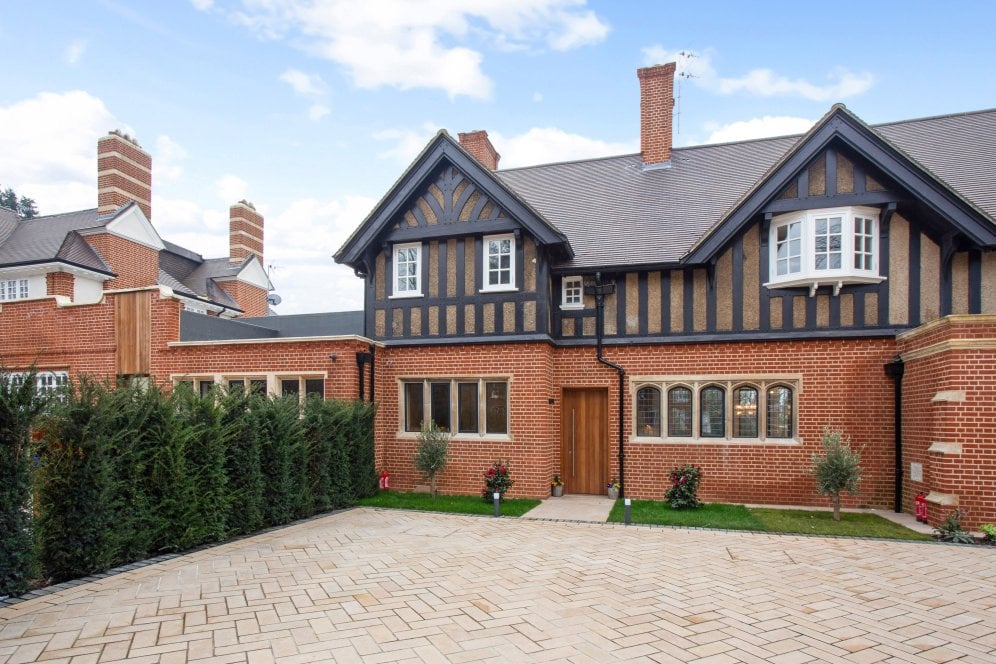
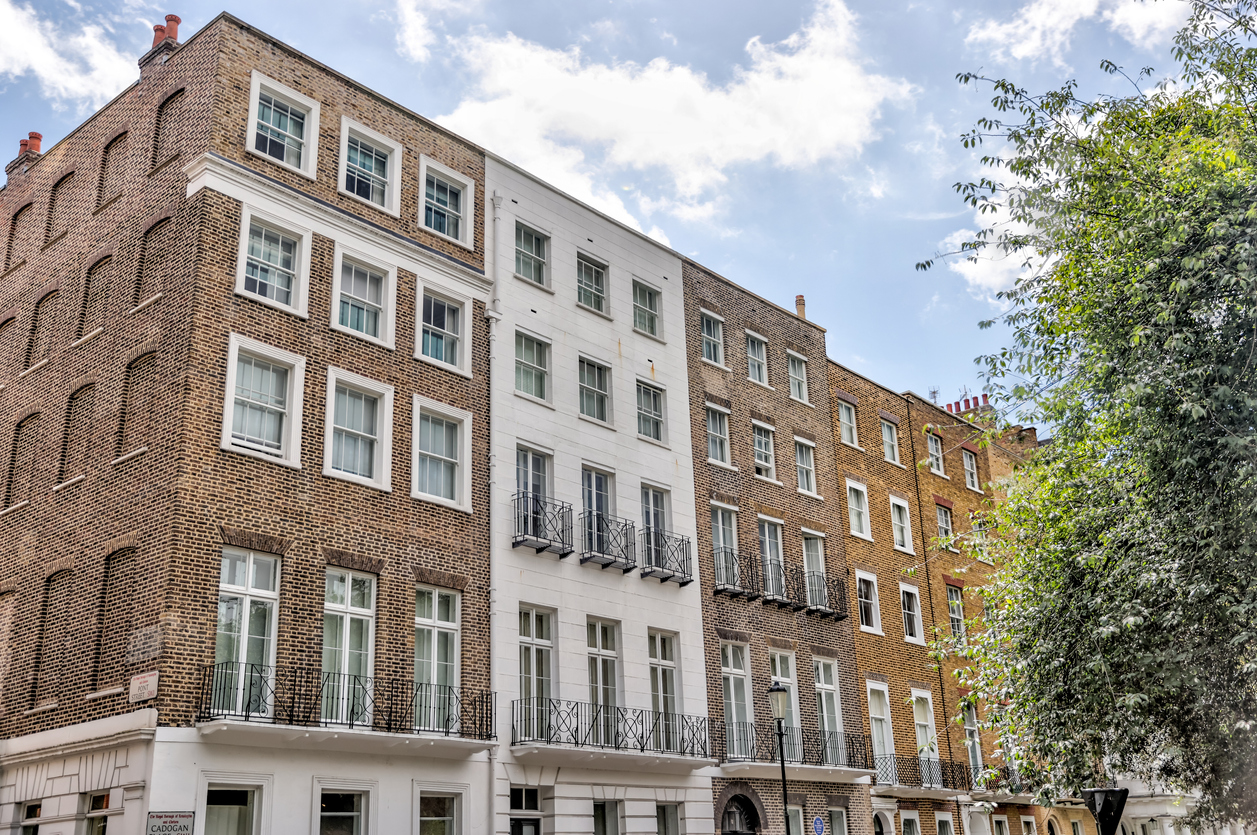
Large houses can provide opportunities for conversion or refurbishment where their layout, location and planning position are appropriate.
Potential properties may include:
-
Detached houses
-
Large semi-detached houses
-
Former residential care properties
-
Existing children’s homes
-
Properties requiring substantial refurbishment
-
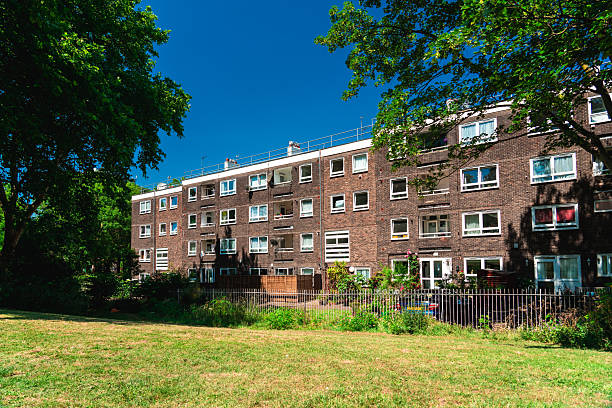
Larger buildings capable of being converted into suitable residential accommodation
The suitability of each property depends on the intended service and the needs of the children.
Refurbishment Opportunities
A property does not necessarily need to be ready for immediate occupation.
Some opportunities may involve purchasing or leasing a property that requires:
-
New bathrooms
-
Kitchen upgrades
-
Electrical works
-
Heating improvements
-
Fire safety works
-
Internal reconfiguration
-
New flooring
-
Redecoration
-
Garden improvements
-
Security upgrades
-
Accessibility improvements
The development strategy should establish the likely cost and timescale before the property is secured.
New-Build Development
New-build schemes can provide greater control over the design and layout of the accommodation.
A developer can potentially design bedrooms, communal areas, staff facilities, bathrooms, outdoor space and circulation around the intended service from the beginning.
However, planning, development costs, local need and the eventual operating model all need to be considered before committing capital.
Local Need Should Influence Development Decisions
One of the most important considerations is whether the proposed location actually needs another children’s home.
Ofsted's current registration policy requires applicants to consider the suitability of the proposed location, consult relevant local bodies and services, and ask the local authority whether a new children’s home is needed in the area.
This makes local authority sufficiency information particularly relevant to developers and investors.
A development may have strong physical characteristics but still be a poor fit if the location does not meet the needs of the children the proposed service intends to support.
Current Ofsted guidance also identifies applications involving areas with extremely high demand and insufficient placement options as one circumstance in which applications may receive priority, subject to the applicable criteria and suitability checks.
Planning a Children’s Home Development
Planning should be considered before purchasing a development opportunity.
The existing use of a building, proposed changes, local planning policies and the intended operation can all affect whether a scheme is viable.
Developers should establish:
-
Existing planning use
-
Whether a change of use may be required
-
Whether alterations require planning permission
-
Local planning constraints
-
Building regulations considerations
-
Parking requirements
-
External space requirements
-
Neighbourhood considerations
-
Potential objections or restrictions
-
The likely timescale for obtaining necessary approvals
Ofsted requires appropriate planning permission for registration and will not grant registration without it.
Planning and regulatory considerations should therefore be investigated together rather than treating them as separate stages.
Designing Property Around the Children’s Needs
A successful development should start with the intended care model.
The number of children, their ages, care requirements and level of independence can influence the appropriate layout.
Design considerations may include:
-
Private bedrooms
-
Adequate bathrooms
-
Communal living rooms
-
Dining areas
-
Kitchen facilities
-
Staff office space
-
Storage
-
Outdoor areas
-
Safe entrances and exits
-
Appropriate security
-
Accessibility
-
Spaces that support education, recreation and independence
The property should feel residential rather than being designed simply as an institutional building.
The development brief should therefore be prepared around the intended statement of purpose and the needs of the children rather than around maximum occupancy alone.
Converting an Existing Property
Conversion can provide an alternative to buying land and constructing a new building.
For example, an investor may identify a larger residential property that has:
-
Multiple bedrooms
-
Several bathrooms
-
Large communal rooms
-
A suitable garden
-
Good transport connections
-
Access to schools and healthcare
-
Scope for internal alterations
The property's existing characteristics can then be assessed against the proposed children's home model.
Conversion costs need to be considered carefully. A property with a lower purchase price can become expensive if it requires extensive structural work, fire safety improvements or major changes to its internal layout.
Developing Specialist Children’s Homes
There may also be opportunities to develop homes for children requiring more specialist forms of care.
Ofsted's current prioritisation guidance identifies highly specialist provision for children with complex support needs and/or disabled children among circumstances that can qualify for priority consideration, subject to the relevant criteria.
For developers, this highlights the importance of understanding the intended care model before designing the property.
Specialist accommodation may require different layouts, accessibility features, security arrangements, communal spaces or other property adaptations.
Working With a Children’s Home Operator
Investors do not necessarily have to develop a property independently.
A common approach can involve working with an experienced children’s home operator that understands the accommodation required for its service.
The operator can provide information about:
-
Required location
-
Number of bedrooms
-
Target children
-
Service model
-
Property layout
-
Staffing requirements
-
Communal facilities
-
Refurbishment requirements
-
Lease or purchase structure
The developer can then assess whether the property opportunity can support those requirements.
This approach can help align the physical development with the eventual operational use.
Development Opportunities Through Existing Children’s Homes
Existing children's homes can also present property opportunities.
An investor may encounter an operating home where the property owner wants to sell, restructure the investment or exit the asset.
However, acquiring the property and taking over the regulated service are separate matters.
Ofsted states that where a new provider takes over a children's home, the new provider cannot assume responsibility for the home before Ofsted confirms registration. There are also specific procedures where an existing company and registration are being acquired.
Property, corporate and regulatory due diligence should therefore all be undertaken before completing an acquisition.
Financial Considerations for Development
A children's home development appraisal should account for the complete project rather than just the purchase price.
Potential costs include:
-
Acquisition
-
Planning
-
Professional fees
-
Surveys
-
Construction
-
Refurbishment
-
Fire safety works
-
Building compliance
-
Furniture and equipment
-
Financing
-
Project management
-
Contingency
-
Ongoing maintenance
The anticipated operating structure should also be understood before determining what the property can reasonably be worth.
A development that looks attractive on a simple purchase-and-refurbishment calculation may have a very different financial profile once all property and operational requirements are included.
Children’s Home Development Opportunities in London
London can offer development opportunities across different property types and locations, from larger suburban houses to existing specialist properties requiring investment.
However, local authority requirements, planning policies, property values and neighbourhood characteristics vary considerably between boroughs.
Developers should therefore assess individual opportunities on their own merits rather than assuming that a particular property type will work throughout London.
How Fraser Bond Can Support Children’s Home Development
Fraser Bond can assist investors, developers and children’s home operators with property-related development requirements.
Our services can include:
-
Identifying development opportunities
-
Property sourcing
-
Development feasibility support
-
Property acquisition
-
Planning coordination
-
Refurbishment management
-
Contractor coordination
-
Building works
-
Property management
-
Lease negotiations
-
Landlord and operator liaison
-
Specialist care property advice
By bringing property sourcing, development and refurbishment considerations together, investors can assess opportunities more comprehensively before committing capital.
Assess the Opportunity Before Developing
Children’s home development requires more than finding a large property and converting it into bedrooms.
The strongest development process starts with the intended children’s home model, local need and location. The property can then be assessed for planning, layout, refurbishment, safety, development cost and long-term operational suitability.
For investors and developers looking for children’s home development opportunities in London or elsewhere in the UK, Fraser Bond can help identify and assess properties with potential for specialist residential care use.