Children's Home Operators Looking for Properties - Finding Suitable Care Property
Helping children's home operators source properties suitable for residential care
Children's home operators looking for properties need to find buildings that can support both their care model and the practical requirements of running a regulated children's home. A property may have sufficient bedrooms and still be unsuitable because of its location, layout, planning position, condition or surrounding environment.
In England, children's home operators must register with Ofsted before they can operate. Ofsted's current guidance requires providers to demonstrate that the proposed premises are fit for purpose and that the location is appropriate for the children they intend to accommodate.
For operators searching for property, establishing a clear specification before approaching landlords, agents and property consultants can make the process considerably more efficient.
What properties are children's home operators looking for?
The type of property required will depend on the operator's statement of purpose, the number of children to be accommodated and the specific needs of those children.
Potential properties can include:
-
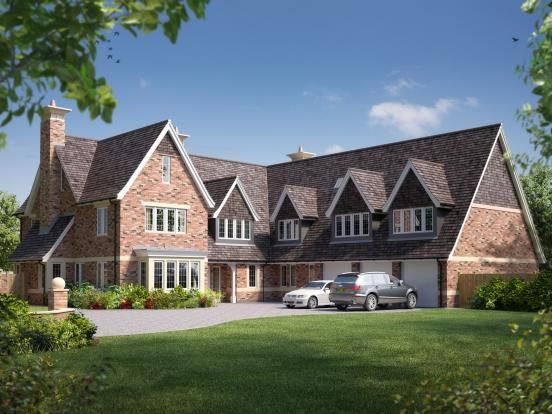
Detached houses
-
Large semi-detached houses
-
Substantial family homes
-
Existing children's residential properties
-
Former care properties
-
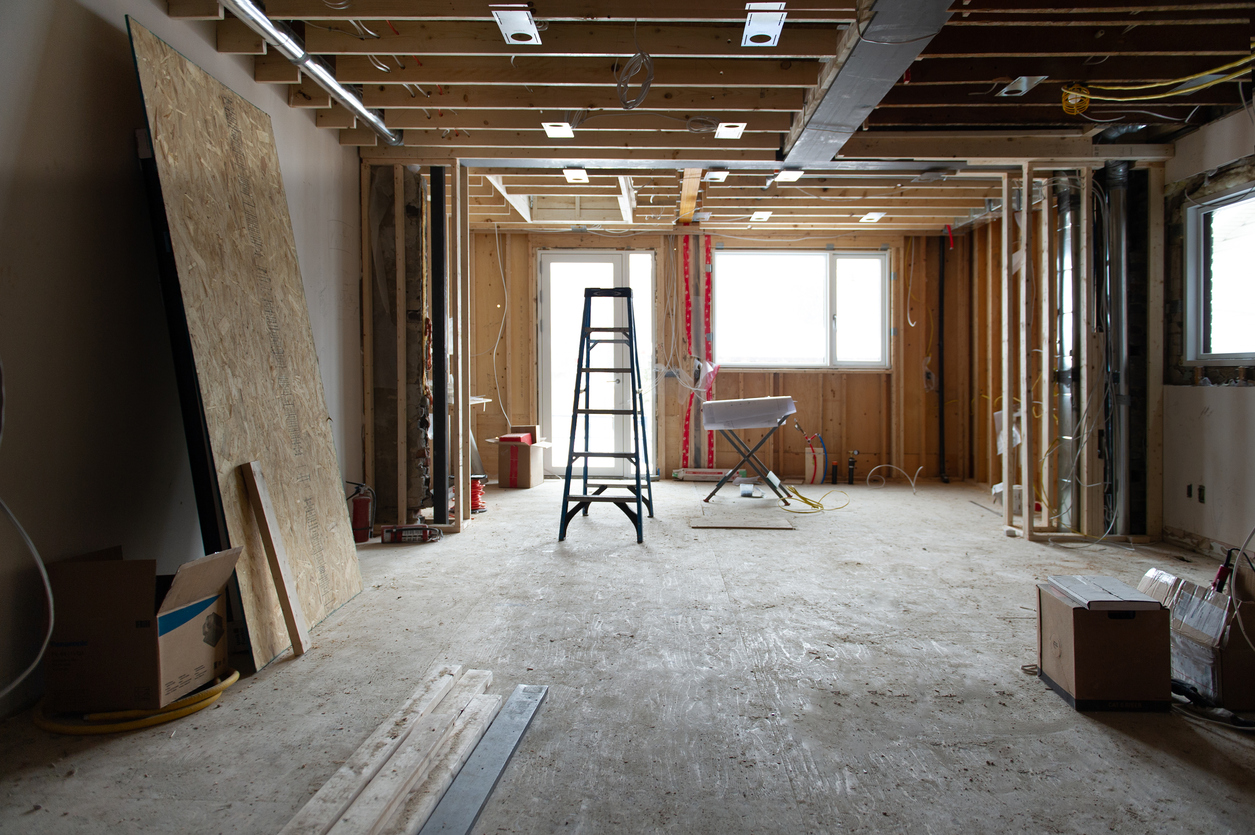
Residential houses suitable for refurbishment
-
Larger properties with several bedrooms and communal areas
An existing children's home is not essential. A conventional residential property may be suitable if its physical characteristics, location and planning position can support the proposed service.
What should a children's home property specification include?
Operators should create a detailed property brief before starting their search.
The brief can cover:
-
Preferred locations
-
Number of bedrooms
-
Maximum number of placements
-
Communal living requirements
-
Number of bathrooms
-
Garden or outdoor space
-
Parking
-
Accessibility
-
Transport links
-
Proximity to schools
-
Healthcare access
-
Property condition
-
Purchase or lease preference
-
Budget
-
Refurbishment requirements
Having these requirements documented makes it easier for property professionals to identify relevant opportunities and avoid wasting time on unsuitable properties.
Bedrooms and communal areas
Bedroom numbers are important, but the internal layout needs to work for the intended service.
A suitable children's home should provide an appropriate balance between private bedrooms and communal areas where children can eat, relax and participate in everyday activities.
Operators may look for:
-
Appropriately sized bedrooms
-
Comfortable living areas
-
Dining space
-
Practical kitchen facilities
-
Adequate bathrooms
-
Storage
-
Suitable staff areas where required
-
Outdoor space
-
Safe movement around the property
The layout should be considered alongside the operator's statement of purpose rather than assessed purely by floor area.
Location requirements for children's home operators
Location is a major part of the property search.
Ofsted requires a location assessment to demonstrate that the home is needed locally, is in the right place and can promote safe and positive opportunities for children. The assessment must consider known hazards and risks, local services, transport, education, healthcare and the needs of the children the operator intends to support.
Operators should therefore investigate:
-
Local safeguarding concerns
-
Crime and exploitation risks
-
Schools and special schools
-
GP and dental services
-
CAMHS and other specialist services
-
Public transport
-
Leisure facilities
-
Community services
-
Staff recruitment
-
Other children's homes nearby
-
Busy roads
-
Railway lines
-
Other environmental hazards
Ofsted also requires applicants to consult relevant local bodies and services, including the police and local authority children's services, and to ask the local authority whether a new children's home is needed in the proposed area.
Planning should be checked before committing to a property
Planning is an important part of sourcing property for a children's home.
Ofsted currently requires applicants to provide evidence relating to planning permission or confirmation from the local authority about the property's permitted use. Ofsted strongly recommends resolving planning issues before applying because delays can affect the registration process.
Operators should therefore establish the planning position during the property search.
This is particularly important where a property will require significant alterations or where its proposed use could require planning approval.
Landlords should also understand the intended children's home use before agreeing a long-term lease or authorising substantial alterations.
What condition should the property be in?
Children's home operators do not necessarily need a property that is already fully fitted out for care.
A residential property may be considered if it can be appropriately refurbished.
Potential works could include:
-
Bedroom improvements
-
Bathroom upgrades
-
Kitchen refurbishment
-
Electrical works
-
Heating upgrades
-
Fire safety measures
-
Security improvements
-
Accessibility adaptations
-
Internal redecoration
-
Garden improvements
Ofsted requires applicants to demonstrate that premises are fit for purpose and to provide appropriate health and safety risk assessments, management plans and fire safety arrangements.
Before agreeing terms, operators should establish the likely cost and timescale of the required works.
Buying property for a children's home
Some operators may prefer to purchase their property rather than lease it.
Ownership can provide greater control over:
-
Refurbishment
-
Building alterations
-
Long-term occupation
-
Maintenance
-
Future property decisions
However, purchasing a building does not remove the requirement for Ofsted registration. Providers must register before operating a children's home.
Operators should therefore treat property acquisition and regulatory registration as connected but separate parts of the project.
Leasing property for children's residential care
Long-term leasing can be an attractive structure for operators that want to establish a children's home without purchasing the underlying building.
A lease should clearly address the proposed use and responsibilities of both parties.
Important areas can include:
-
Permitted use
-
Lease term
-
Rent reviews
-
Repairs
-
Maintenance
-
Insurance
-
Refurbishment
-
Alterations
-
Planning applications
-
Compliance
-
Assignment
-
Reinstatement
Where the operator is investing substantial funds into refurbishment, the lease term and commercial structure should provide sufficient certainty for that investment to make sense.
What landlords should know about children's home operators
Landlords with larger residential properties may be approached by children's home operators looking for suitable accommodation.
Before agreeing to a proposed use, landlords should carry out appropriate due diligence on the operator and understand the intended use of the property.
This can include reviewing:
-
The operator's experience
-
Proposed care model
-
Number of children
-
Ofsted registration position
-
Planning requirements
-
Proposed refurbishment
-
Financial position
-
Lease requirements
-
Insurance
-
Repairs and maintenance responsibilities
The landlord should also establish whether the building itself can realistically support the proposed operation.
Existing children's homes and replacement properties
Some established operators may be looking for additional properties as they expand, while others may need a replacement building.
This can create demand for properties that already have features suited to children's residential care.
However, operators should not assume that an existing Ofsted registration automatically follows a property.
Ofsted states that providers are registered to operate a children's home at the address specified in their application. Moving to new premises requires a new application, and the service cannot begin at the new premises until registration has been granted.
This makes property due diligence important even when an operator already runs registered children's homes.
Children's home operators looking for properties in London
London offers a broad range of residential properties that may be considered by children's home operators, particularly larger houses in suburban locations.
The challenge is finding properties where the physical building, neighbourhood, planning position and commercial terms align with the proposed service.
A property may appear attractive because of its size but become less viable after considering planning, refurbishment costs, transport, local safeguarding issues or access to education and healthcare.
Fraser Bond can assist operators, landlords and investors with specialist property requirements across London and the wider UK.
How Fraser Bond can help children's home operators
Fraser Bond works with specialist care operators and property owners seeking suitable buildings for children's residential care.
For operators, our property services can support:
-
Property sourcing
-
Property searches based on specific requirements
-
Property due diligence
-
Acquisition and leasing support
-
Refurbishment coordination
-
Landlord negotiations
-
Specialist property advice
For landlords, we can help assess potential children's home opportunities and connect suitable properties with specialist operators.
The aim is to find properties that align with the operator's care requirements, location needs, planning position and commercial objectives.
How operators should approach property agents
A children's home operator will generally get better results from a property search when the initial brief is specific.
Rather than simply stating that a large house is required, an operator can provide:
Property type: Detached or semi-detached house
Bedrooms: Required number based on proposed placements
Location: Preferred boroughs, towns or regions
Outdoor space: Required or preferred
Transport: Required access to public transport
Education: Proximity to appropriate schools
Healthcare: Access to relevant health services
Tenure: Purchase or long-term lease
Condition: Existing care property or residential property suitable for refurbishment
Budget: Maximum purchase price or rental range
Timescale: Target date for occupation
This gives agents and property consultants a practical specification to work with.
Children's Home Property Search Checklist
Before committing to a property, operators should establish:
-
Does the property match the intended care model?
-
Is the bedroom capacity appropriate?
-
Are communal spaces suitable?
-
Is the location appropriate for the intended children?
-
Have safeguarding risks been assessed?
-
Are schools and healthcare services accessible?
-
Has the local authority been consulted?
-
Is the planning position understood?
-
Is the building capable of meeting health and safety requirements?
-
What refurbishment is required?
-
What will the refurbishment cost?
-
Who will fund the works?
-
Are the proposed lease or purchase terms workable?
-
Can the property support the statement of purpose?
-
Is the property capable of progressing through Ofsted registration?
For children's home operators looking for properties, the best search starts with the needs of the children and the proposed service rather than simply the number of bedrooms.
A specialist property search can then identify buildings where the location, layout, condition, planning position and commercial structure provide a realistic foundation for a children's home.