Children's Home Property for Sale - Finding and Buying Suitable Care Property
Property Requirements, Planning Considerations and Investment Opportunities for Children's Home Operators
Finding children's home property for sale requires more than searching for a large residential property. The building needs to be suitable for the children who will live there, appropriate for the proposed care model and capable of meeting relevant planning, safety and regulatory requirements.
In England, a children's home is a place where children live or stay without their families and receive care and accommodation. Anyone intending to operate a children's home must register with Ofsted before starting the service. Running an unregistered children's home is unlawful.
For care providers and property investors, this makes specialist property sourcing particularly important. A suitable house can potentially be acquired, refurbished and prepared for use by an established children's home operator, subject to the necessary approvals.
What Type of Property Can Be Used for a Children's Home?
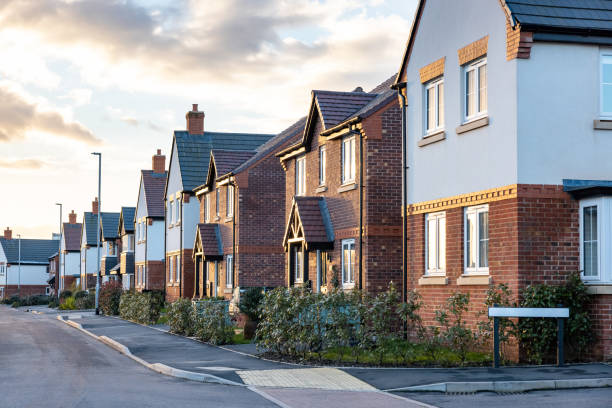
Children's home providers may consider a range of residential properties depending on the number, age and needs of the children they intend to accommodate.
Potential properties include:
-
Detached houses
-
Semi-detached houses
-
Large terraced houses
-
Suburban family homes
-
Properties with multiple bedrooms
-
Homes with suitable communal areas
-
Properties with gardens or other outdoor space
-
Residential properties requiring refurbishment
The ideal property will depend on the provider's statement of purpose, intended number of places and the needs of the children.
A large house is not automatically suitable. Layout, location, condition, safety and the ability to provide appropriate care are all important considerations.
Children's Home Property Requirements
A property being considered for a children's home may need:
-
Suitable individual bedrooms
-
Comfortable communal living areas
-
A practical kitchen and dining area
-
Adequate bathrooms
-
Appropriate storage
-
Staff facilities where required
-
Secure entrances and exits
-
Suitable outdoor areas
-
Reliable heating and hot water
-
Appropriate fire safety systems
-
Good lighting and ventilation
Ofsted assesses the proposed premises as part of the registration process. Applicants must demonstrate that the premises are fit for purpose and appropriate for the service they intend to provide.
Location Is a Major Consideration
Location should be assessed before purchasing children's home property.
Providers may look for properties with convenient access to:
-
Schools and colleges
-
Healthcare
-
Public transport
-
Shops and supermarkets
-
Parks and recreational facilities
-
Community services
-
Family contact arrangements
-
Existing support networks
Ofsted's current registration policy requires applicants to demonstrate that they have considered the suitability of the proposed location. Applicants must also consult relevant local bodies and ask the local authority whether there is a need for a new children's home in the area.
This makes local demand and location assessment important parts of the acquisition process.
Planning Permission Before Buying
Planning should be investigated before committing to a children's home property purchase.
Ofsted's current application guidance states that applicants must provide evidence concerning the planning position of the proposed property. This can include planning permission, confirmation that permission is not required, confirmation that the current use is permitted, or evidence of a planning application. Ofsted recommends resolving required planning matters before applying for registration.
For an investor, this means planning due diligence should take place before substantial money is committed to the acquisition or refurbishment.
The property's existing use, intended occupancy and proposed operation should all be considered.
Refurbishing Children's Home Property
Some properties for sale may already be close to the required standard, while others may need substantial refurbishment.
Potential works can include:
-
Bedroom refurbishment
-
Kitchen upgrades
-
Bathroom improvements
-
New flooring
-
Redecoration
-
Heating upgrades
-
Electrical works
-
Fire safety improvements
-
Security upgrades
-
Garden improvements
-
Accessibility adaptations
-
Repairs to windows and doors
The refurbishment should be based on the requirements of the intended children's home rather than simply improving the property's appearance.
A well-planned refurbishment can make an otherwise unsuitable residential property more practical for specialist use.
Safety and Compliance
Children's home property needs to be assessed carefully for health and safety risks.
Important considerations include:
-
Fire safety
-
Emergency escape routes
-
Electrical safety
-
Gas safety
-
Carbon monoxide protection
-
Structural condition
-
Damp and mould
-
Window and door security
-
Heating and hot water
-
General housing hazards
-
Building regulations
-
Planning requirements
Ofsted requires providers to demonstrate appropriate health and safety arrangements, including risk assessments, fire protection and evidence that the premises comply with relevant planning, building and environmental legislation.
Buying a Children's Home Property for an Existing Operator
Not every buyer intends to operate a children's home themselves.
A property investor may purchase a suitable building and lease it to an established children's home provider. This can make the operator's requirements particularly important during the acquisition process.
Before purchasing, investors should establish:
-
How many bedrooms are required
-
How many children the operator intends to accommodate
-
Preferred locations
-
Property size requirements
-
Required communal areas
-
Refurbishment expectations
-
Planning considerations
-
Lease requirements
-
Maintenance responsibilities
-
Intended lease duration
Buying with a specific operator requirement in mind can reduce the risk of acquiring a property that later proves unsuitable.
Children's Home Property Investment
Children's home property can form part of the wider specialist care property market.
However, investors should assess the individual opportunity carefully. Factors can include:
-
Purchase price
-
Location
-
Local demand
-
Property size
-
Existing layout
-
Planning position
-
Refurbishment costs
-
Operator requirements
-
Lease structure
-
Maintenance obligations
-
Regulatory considerations
The fact that a property has several bedrooms does not automatically make it a viable children's home investment.
The building needs to work operationally for the intended provider and meet the requirements associated with the proposed service.
Property for Sale That Needs Conversion
Some children's home operators may specifically seek properties requiring conversion or adaptation.
Potential opportunities can include larger family homes that need:
-
Additional bathrooms
-
Improved communal areas
-
Bedroom reconfiguration
-
Accessibility improvements
-
Fire safety upgrades
-
Security improvements
-
General refurbishment
Before proceeding, the proposed works should be assessed alongside planning and building control requirements.
This is particularly important where significant alterations could affect the property's layout or intended use.
Children's Home Property for Sale in London
London has a wide range of residential properties that may potentially be considered by children's home providers.
Larger houses in suburban areas can provide multiple bedrooms and communal spaces, while locations with good transport links can make access to education, healthcare and community facilities easier.
Boroughs such as Croydon, Bromley, Enfield, Barnet, Ealing and Hounslow contain different types of residential property, but suitability needs to be assessed on an individual basis.
The most suitable property is not necessarily the largest or cheapest. Location, layout, planning position and the needs of the intended children all need to be considered.
Working With a Children's Home Property Specialist
Fraser Bond can assist property owners, investors and children's home providers with property sourcing, acquisition support, property assessment, refurbishment coordination and wider property consultancy.
For buyers searching for children's home property for sale, professional property advice can help identify buildings with the right combination of size, location, layout and refurbishment potential.
For owners already holding suitable residential property, assessing the building against children's home requirements can also help determine whether it may be appropriate for an established operator.
What Buyers Should Check Before Purchasing
Before exchanging contracts on a children's home property, buyers should establish:
-
Whether the location is suitable for the proposed service.
-
Whether the property's planning position supports the intended use.
-
Whether the layout is appropriate for the intended number of children.
-
What refurbishment and safety works are required.
-
Whether the property can meet the provider's operational requirements.
-
Whether the intended operator can satisfy Ofsted registration requirements.
-
Who will be responsible for ongoing repairs and maintenance.
Ofsted registration applies to the provider and service, not simply to the purchase of a building. Buying a property does not by itself make it an Ofsted-registered children's home.
Finding Children's Home Property for Sale
The strongest property searches start with a clear specification from the intended children's home operator.
The number and needs of the children, preferred location, property size, accommodation requirements, staffing model and refurbishment budget should be established before comparing potential acquisitions.
Fraser Bond can support investors, landlords and children's home providers looking to source, acquire, refurbish, lease or manage specialist residential property across London and the wider UK.