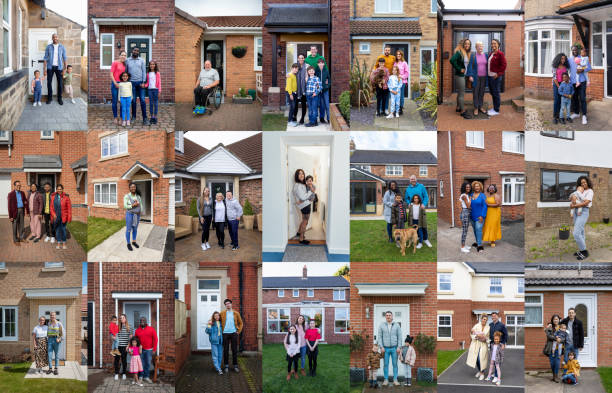
Children's Home Property Required - Finding Suitable Property for Children's Social Care
Explore children's home property requirements, including suitable property types, location, planning, layout, safety, refurbishment and the key considerations for operators, landlords and investors with Fraser Bond.
When a children's social care operator is searching for children's home property required for a new service, finding a suitable building is only the beginning.
The property needs to work for the children who will live there, the provider's operating model and the regulatory requirements governing children's homes in England.
Ofsted requires children's home providers to register before operating and requires applicants to provide information about the proposed premises, planning position and location. Applicants must also demonstrate that the premises are fit for purpose and suitable for the children they intend to accommodate.
For landlords and property owners, this creates a specialist opportunity. A large residential house, former care property or building with refurbishment potential may be suitable for consideration, provided its planning, location, condition and layout can support the proposed children's home.
What Property Is Required for a Children's Home?
There is no single property type that every children's home operator requires.
Depending on the service model and children to be accommodated, operators may consider:
-
Large detached houses
-
Substantial semi-detached houses
-
Former children's homes
-
Former care homes
-
Former residential care properties
-
Large family homes
-
Specialist residential properties
-
Properties with multiple bedrooms
-
Purpose-designed accommodation
-
Properties requiring refurbishment
The number of bedrooms is only one part of the assessment.
Operators also need to consider communal areas, bathrooms, kitchen facilities, staff space, outdoor areas, parking, accessibility and the overall suitability of the building.
The intended age range, needs and number of children should determine the property specification.
What Children's Home Operators Look for in a Property
A useful children's home property brief may include:
-
Multiple suitable bedrooms
-
Appropriate bathrooms
-
Communal living areas
-
Dining space
-
Kitchen facilities
-
Staff workspace
-
Private areas for children
-
Secure storage
-
Outdoor space where appropriate
-
Parking
-
Safe access and entrances
-
Suitable heating and ventilation
-
Good transport connections
-
Access to education and healthcare
A property does not necessarily need to satisfy every preference from the beginning.
Some operators may consider properties that can be upgraded or refurbished to meet their requirements.
Location Can Determine Whether a Property Works
Location is particularly important when assessing children's home property.
Ofsted requires applicants to demonstrate that the proposed home is needed locally, is in an appropriate location and can meet the needs of the children who will live there. Location assessments should consider safeguarding concerns, local services, transport, schools, healthcare, recruitment and community risks.
Operators should investigate:
-
Local safeguarding concerns
-
Crime and exploitation risks
-
Proximity to busy roads or other hazards
-
Access to GP services
-
Dental services
-
Specialist healthcare
-
CAMHS where relevant
-
Schools and special schools
-
Public transport
-
Local leisure facilities
-
Community facilities
-
Recruitment opportunities
-
Other children's homes nearby
A large property in an unsuitable location may therefore be less useful to an operator than a smaller property that better fits the needs of the children.
Planning Permission for Children's Home Property
Planning should be checked before a property is acquired or leased for a children's home.
Ofsted's current registration guidance requires applicants to provide evidence concerning planning permission, confirmation that planning permission is not required, confirmation that the existing use class is permitted, or evidence of a planning application. Ofsted also recommends securing any required planning permission before applying for registration.
This means operators should not assume that an ordinary residential property can automatically be used as a children's home.
The planning position should be assessed with the relevant local planning authority.
Property owners marketing buildings to children's home operators should therefore provide any available information about:
-
Current use
-
Planning history
-
Previous care use
-
Previous planning applications
-
Existing permissions
-
Restrictions
-
Proposed alterations
Planning permission and Ofsted registration are separate matters. Securing one does not automatically provide the other.
Existing Children's Home Property
Properties previously operated as children's homes can attract interest from operators because the building may already have features suited to residential care.
These properties may have:
-
Multiple bedrooms
-
Communal lounges
-
Dining facilities
-
Several bathrooms
-
Staff areas
-
Outdoor space
-
Parking
-
Established fire safety arrangements
-
Suitable internal layouts
However, previous use does not guarantee that a new operator can immediately operate from the property.
The new provider must establish its own regulatory position and registration requirements.
Ofsted states that individuals, partnerships and organisations intending to start a children's home must register before doing so. Operating or managing a children's home without the appropriate registration is an offence.
Former Care Homes as Children's Home Property
Former care homes can also be considered where their layout and location are appropriate.
A former care home may provide:
-
Multiple bedrooms
-
Accessible accommodation
-
Communal rooms
-
Staff facilities
-
Kitchen facilities
-
Existing safety infrastructure
-
Parking
-
Gardens or other outdoor areas
However, a former care home should not automatically be assumed to be suitable for a children's home.
The needs of children can differ significantly from those of elderly or adult residents, and the property's planning and regulatory position needs to be reassessed.
Large Houses With Conversion Potential
Some children's home operators may look for conventional residential properties that can be adapted.
Large houses can offer advantages such as:
-
Homely surroundings
-
Existing bedrooms
-
Multiple reception rooms
-
Private outdoor space
-
Residential neighbourhoods
-
Parking
-
Potential for internal reconfiguration
Potential refurbishment could include:
-
Bedroom upgrades
-
Bathroom improvements
-
Kitchen renovation
-
Flooring
-
Decoration
-
Electrical works
-
Heating upgrades
-
Fire safety improvements
-
Accessibility works
-
Garden improvements
-
Security upgrades
Any alterations should be designed around the proposed service rather than simply making the property look more modern.
Bedrooms and Private Space
Bedrooms need to provide children with an appropriate level of privacy and personal space.
Operators should consider:
-
Number of bedrooms
-
Bedroom sizes
-
Natural light
-
Storage
-
Privacy
-
Proximity to bathrooms
-
Accessibility
-
Suitability for the age and needs of the children
The aim should be to create a genuine residential environment rather than an institutional layout.
A property with fewer but well-designed bedrooms and good communal areas may be more appropriate than a larger property that has been divided into too many small rooms.
Communal Space for Children's Homes
Children living in a residential setting need suitable areas for everyday activities.
Depending on the service, communal space may be used for:
-
Meals
-
Homework
-
Recreation
-
Watching television
-
Socialising
-
Meetings
-
One-to-one support
-
Family visits
-
Relaxation
A property should allow children to have both communal interaction and appropriate private space.
This is one reason why large residential houses with several reception rooms can be considered by some operators.
Outdoor Space and Gardens
Outdoor space can be a useful feature when marketing children's home property.
A suitable garden may provide opportunities for:
-
Outdoor recreation
-
Exercise
-
Gardening
-
Relaxation
-
Social activities
-
Private time
However, a garden should not be treated as an automatic requirement for every children's home.
The suitability of outdoor space depends on the needs of the children and the provider's proposed service.
Safety and Property Condition
The physical condition of the building needs to be assessed carefully.
Ofsted requires applicants to demonstrate that proposed premises are fit for purpose and that risks associated with the building have been assessed and managed. A health and safety assessment and risk management plan form part of the registration process.
A property inspection should consider:
-
Electrical systems
-
Gas installations
-
Heating
-
Plumbing
-
Roof condition
-
Windows
-
Doors
-
Stairs
-
Fire safety
-
Emergency arrangements
-
Damp and mould
-
Structural condition
-
Kitchen facilities
-
Bathrooms
-
General security
Older properties may require significant work before they can be used.
Fire Safety and Emergency Arrangements
Fire safety is an important consideration when assessing children's home property.
Operators should investigate:
-
Escape routes
-
Fire doors
-
Alarm systems
-
Emergency lighting where applicable
-
Fire-resistant construction
-
Evacuation arrangements
-
Individual children's needs
-
Staff response procedures
The property's fire safety arrangements should be assessed alongside the proposed operating model.
Where significant refurbishment is required, fire safety should be considered during the design rather than left until the end of the project.
Accessibility and Specialist Adaptations
Some children's homes require additional adaptations based on the needs of the children they intend to accommodate.
Possible works could include:
-
Accessible entrances
-
Adapted bathrooms
-
Wider doorways
-
Handrails
-
Improved lighting
-
Safer flooring
-
Specialist bedroom arrangements
-
Additional security measures
-
Accessibility equipment
The property specification should therefore be based on the operator's statement of purpose and the specific needs of the children.
Buying Children's Home Property
Some operators may want to purchase a property rather than lease it.
Purchasing can provide greater long-term control over the building and future refurbishment decisions, but it also requires substantial capital and due diligence.
Before purchasing, an operator should investigate:
-
Planning
-
Building condition
-
Location
-
Property title
-
Existing restrictions
-
Leasehold or freehold position
-
Fire safety
-
Refurbishment costs
-
Insurance
-
Ongoing maintenance
-
Potential future use
A property valuation should also reflect its actual condition and planning position rather than assuming that specialist use automatically creates a premium.
Leasing Property for a Children's Home
Long-term leasing can be another route for operators seeking children's home property.
A lease can allow an operator to use an appropriate building without purchasing the freehold.
However, the lease should clearly address:
-
Permitted use
-
Planning responsibilities
-
Alterations
-
Refurbishment
-
Repairs
-
Maintenance
-
Insurance
-
Compliance responsibilities
-
Assignment or subletting
-
Reinstatement obligations
-
Lease length
-
Break clauses
Landlords should obtain appropriate legal advice before agreeing to specialist use.
What Landlords Should Prepare
Property owners who believe their building could suit a children's home should prepare a clear property information pack.
This could include:
-
Property address
-
Floor area
-
Floor plans
-
Number of bedrooms
-
Number of bathrooms
-
Parking
-
Garden or outdoor space
-
Current planning use
-
Planning history
-
Previous care-related use
-
EPC
-
Building condition
-
Recent refurbishment
-
Accessibility features
-
Availability
-
Sale price or rental terms
Providing accurate information helps specialist operators quickly establish whether the property deserves further investigation.
A Children's Home Property Brief
A provider looking for premises could prepare a property brief such as:
Property required: Children's home
Preferred property: Large residential house or suitable former care property
Bedrooms: Multiple bedrooms with appropriate private accommodation
Communal areas: Living, dining and activity space
Location: Suitable residential area with access to education, healthcare and transport
Planning: Existing suitable use or realistic planning route
Condition: Ready-to-use or suitable for refurbishment
Outdoor space: Preferred where available
Parking: Preferred depending on location and service requirements
Tenure: Purchase or long-term lease
Additional requirements: Property must be suitable for the needs of the children identified in the provider's statement of purpose
This type of specification makes it easier for agents, landlords and property owners to understand exactly what the operator is seeking.
Children's Homes and Supported Accommodation Are Different
Property owners should not automatically treat children's homes and supported accommodation as the same market.
Ofsted regulates both, but they are separate types of provision.
A children's home provides care and accommodation for children, while supported accommodation is a separate regulated service generally serving looked-after children and care leavers aged 16 and 17.
The property requirements, operating model and regulatory arrangements can therefore differ.
Before marketing a property, owners should establish which type of operator they are seeking to attract.
Children's Home Property Opportunities for Owners and Investors
For property owners, a building that is difficult to market through the conventional residential market may sometimes have potential for specialist use.
Potential opportunities can include:
-
Large houses
-
Former care properties
-
Former children's homes
-
Underused residential buildings
-
Properties requiring refurbishment
-
Buildings with suitable planning potential
-
Specialist residential accommodation
However, specialist use should never be assumed simply because a property is large.
Planning, location, building condition and the intended children's home model all need to be assessed.
Finding Children's Home Property Across the UK
Children's home operators may search across different towns and cities depending on their service requirements and local demand.
Potential areas can include:
-
London
-
Birmingham
-
Manchester
-
Liverpool
-
Leeds
-
Bristol
-
Nottingham
-
Leicester
-
Sheffield
-
Newcastle
-
Southampton
-
Other towns and cities across England
Ofsted's location assessment requires providers to consider local need, services, safeguarding risks, transp