Children's Specialist Care Home: Finding Suitable UK Property
A practical guide for care operators, landlords, investors and developers looking for specialist children's care home property across London and the UK
A children's specialist care home provides residential care and accommodation for children whose needs require a more specialised environment, staffing model, property layout or support provision than a conventional children's home.
Specialist provision may be designed for children with physical disabilities, learning disabilities, sensory impairments, complex support needs or other circumstances requiring carefully planned residential care. In England, children's homes must be registered with Ofsted before operating, and the registration conditions can specify the categories of children the home is intended to accommodate.
For operators, finding the right property is therefore about more than securing a large house in a suitable location. The building needs to support the proposed care model, the children's needs, staffing arrangements, safeguarding requirements and regulatory expectations.
Fraser Bond works with property owners, care operators, investors and developers looking at specialist care property opportunities across London and the UK.
What Is a Children's Specialist Care Home?
A children's specialist care home is a residential setting where children live or stay while receiving professional care and support.
Unlike ordinary residential accommodation, specialist children's care properties may need to accommodate:
-
Children with physical disabilities
-
Children with learning disabilities
-
Children with sensory impairments
-
Children with complex support needs
-
Children requiring highly structured care environments
-
Children transitioning from hospital or other specialist settings
-
Children requiring short-term or longer-term residential care
Ofsted's registration categories include children with physical disabilities, learning disabilities and sensory impairment, alongside other categories. A provider may have more than one category, depending on the service it intends to provide.
The property should therefore be assessed against the actual care model rather than marketed simply as a generic children's care home.
What Type of Property Works for Specialist Children's Care?
There is no single property type suitable for every specialist children's care home.
Potential opportunities include:
Large Detached Houses
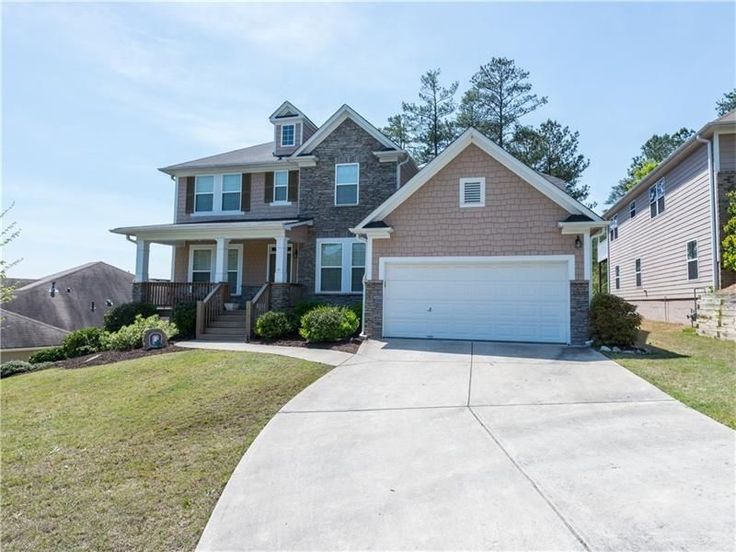
Large detached residential properties can sometimes provide a practical starting point for smaller children's homes.
They may offer:
-
Multiple bedrooms
-
Communal living areas
-
Private outdoor space
-
Staff accommodation or offices
-
Parking
-
Scope for internal adaptation
A detached house can also provide a domestic environment rather than an institutional appearance, which may be important to the operator's care model.
Former Children's Homes
A former children's home may already contain useful features such as multiple bedrooms, communal spaces, staff areas and established circulation routes.
However, previous use does not automatically mean that a property will meet the requirements of a new operator. Its current planning position, condition, layout, fire arrangements and proposed registration conditions should still be assessed carefully.
Former Care Homes
Former care homes can sometimes offer useful space for specialist children's care.
They may have existing:
-
Accessible bedrooms
-
Specialist bathrooms
-
Communal areas
-
Kitchens
-
Laundry facilities
-
Staff rooms
-
Fire safety infrastructure
The building still needs to be assessed specifically for the proposed children's service rather than assuming that previous adult care use makes it automatically suitable.
Purpose-Designed Specialist Care Property
Some operators and developers may prefer to create a property specifically around the needs of the children who will live there.
This can allow the design to incorporate accessibility, bedrooms, bathrooms, communal areas, staff facilities, equipment storage, outdoor space and safeguarding considerations from the beginning.
Accessibility Should Be Considered From the Start
For a children's specialist care home supporting disabled children, accessibility can be one of the most important property considerations.
Depending on the children being accommodated, operators may need to consider:
-
Step-free entrances
-
Level circulation
-
Wider internal doors
-
Accessible bedrooms
-
Wheelchair-friendly bathrooms
-
Wet rooms
-
Hoist compatibility
-
Suitable changing areas
-
Adapted kitchens
-
Accessible communal rooms
-
Safe outdoor access
-
Appropriate parking and drop-off arrangements
The exact requirements will depend on the children's needs and the proposed service.
A property that looks spacious during a standard viewing may become considerably less practical once equipment, mobility aids, staff supervision and specialist furniture are taken into account.
Bedrooms and Capacity
Bedroom numbers should not be considered independently from the proposed registration.
The size, position and accessibility of bedrooms can influence how effectively the property works for the intended children.
Operators should consider:
-
Bedroom dimensions
-
Privacy
-
Natural light
-
Accessible circulation
-
Distance to bathrooms
-
Proximity to communal areas
-
Emergency evacuation arrangements
-
Space for specialist equipment
-
Staff observation and support requirements
Ofsted can impose conditions on a children's home's registration, including conditions relating to the maximum number of children accommodated.
This makes it important to establish the intended capacity before committing to a property.
Bathrooms and Personal Care Facilities
Bathrooms can be particularly important in specialist children's care.
Depending on the service, a property may need accessible bathrooms, wet rooms, specialist bathing equipment or additional space for carers to provide personal support safely.
When inspecting a potential property, operators should consider:
-
Number of bathrooms
-
Bathroom locations
-
Accessibility
-
Wet-room potential
-
Space around sanitary fittings
-
Ventilation
-
Hot water capacity
-
Drainage
-
Hoist compatibility where required
-
Privacy and dignity
Where substantial alterations are needed, the cost and feasibility of refurbishment should be established before agreeing a purchase or lease.
Communal Areas for Specialist Children's Care
A specialist children's home should provide appropriate spaces for children to live, socialise, eat, relax and take part in activities.
Depending on the care model, useful spaces may include:
-
Main living room
-
Dining area
-
Quiet or sensory room
-
Activity room
-
Study area
-
Games or recreation space
-
Accessible garden
-
Staff office
-
Meeting room
The property should feel residential and welcoming while still supporting safe and effective care.
Large communal areas can be useful, but smaller rooms can also provide valuable quiet spaces for children who become overwhelmed by busy environments.
Specialist Equipment and Storage
Specialist children's homes can require significantly more storage than an ordinary residential property.
Potential requirements include storage for:
-
Wheelchairs
-
Mobility equipment
-
Hoists
-
Specialist beds
-
Medical or care equipment
-
Personal belongings
-
Cleaning supplies
-
Outdoor equipment
-
Records and administrative materials
Storage should be planned carefully so equipment does not obstruct corridors, escape routes or communal areas.
A property with inadequate storage can quickly become difficult to operate, particularly as the number of children increases.
Staff Areas and Operational Space
The property needs to work for staff as well as children.
Depending on the service model, staff may require:
-
Office space
-
Secure records storage
-
Staff room
-
Changing facilities
-
Meeting space
-
Overnight staff facilities
-
Kitchen facilities
-
Equipment storage
A common mistake when assessing care property is to focus almost entirely on bedrooms and overlook the operational areas required to run the service effectively.
Fire Safety and Building Condition
Fire safety should be assessed before committing to a specialist children's care property.
Operators should consider:
-
Fire detection and alarm systems
-
Emergency lighting
-
Escape routes
-
Fire doors
-
Compartmentation
-
Evacuation arrangements
-
Accessibility during evacuation
-
Emergency access
-
Electrical installation
-
Gas safety
-
Heating systems
The wider condition of the building should also be investigated.
Older London properties may require work involving roofs, damp, drainage, electrical systems, plumbing, windows, heating, insulation or structural repairs.
A professional building survey can identify issues that are not obvious during an ordinary viewing.
Planning and Change of Use
Planning should be investigated early.
A property may have an existing residential use, previous care use or another planning history, but the proposed children's specialist care operation still needs to be assessed against the relevant planning position.
Operators should investigate:
-
Existing lawful use
-
Previous planning permissions
-
Proposed occupancy
-
Planning restrictions
-
Local authority requirements
-
Parking and access
-
Building alterations
-
External adaptations
-
Neighbouring uses
-
Any planning application that may be required
Ofsted's registration process also requires applicants to provide relevant premises and planning evidence. Its current application guidance highlights the importance of planning, health and safety, location assessment and premises suitability.
Ofsted Registration for a Children's Specialist Care Home
A children's specialist care home in England must be registered with Ofsted before it begins operating. Running a children's home without the appropriate registration is an offence under the Care Standards Act 2000.
The registration process requires information about the proposed service and its provider, together with supporting documentation.
Depending on the circumstances, applicants may need to provide evidence relating to:
-
The proposed premises
-
Planning
-
Health and safety
-
Fire arrangements
-
Location
-
Management
-
Statement of Purpose
-
Relevant risk assessments
-
Provider and manager suitability
-
DBS checks
-
Other required supporting documents
Ofsted's current guidance also states that registration applications are being managed according to prioritisation criteria, with applications that do not meet priority criteria potentially remaining on a waiting list.
This makes early property and regulatory planning particularly important.
Ofsted and CQC - When Could Both Apply?
Most children's homes providing care and accommodation are regulated by Ofsted.
However, the regulatory position can become more complicated where the service also provides regulated healthcare activities.
Current joint Ofsted and CQC guidance explains that a children's home providing residential care can also require CQC registration where regulated healthcare activities are provided directly by the provider.
This distinction should be established before purchasing or leasing a property for a specialist service.
The building, proposed activities and staffing model should all be considered together.
Location Matters for Specialist Children's Care
Location is not simply about finding an attractive neighbourhood.
Ofsted's registration guidance expects applicants to consider whether the proposed location is suitable for the children who will live there. This includes factors such as safeguarding, access to health services, transport, staff recruitment, education and children's needs and independence.
A suitable property may therefore benefit from access to:
-
Hospitals and specialist healthcare
-
GP services
-
Schools and special schools
-
Public transport
-
Community facilities
-
Parks and outdoor areas
-
Specialist therapy providers
-
Local employment markets for staff
London properties may offer excellent access to specialist services but can also present challenges around parking, property prices, space and planning restrictions.
Buying a Children's Specialist Care Home Property
Buying can make sense for operators or investors seeking greater long-term control over the property.
Potential advantages include:
-
Long-term occupation security
-
Greater control over refurbishment
-
Potential capital appreciation
-
Ability to tailor the building
-
Reduced exposure to future lease renewal negotiations
However, the purchase price is only part of the financial calculation.
A buyer should also consider:
-
Stamp Duty Land Tax
-
Professional fees
-
Building works
-
Accessibility adaptations
-
Fire safety improvements
-
Furniture and equipment
-
Planning costs
-
Regulatory preparation
-
Ongoing maintenance
Renting or Leasing Specialist Children's Care Property
Leasing can provide an alternative for operators that want to establish a service without purchasing the freehold.
A suitable lease should address:
-
Permitted use
-
Length of term
-
Break clauses
-
Rent reviews
-
Repair obligations
-
Alterations
-
Planning responsibility
-
Insurance
-
Maintenance
-
Compliance works
-
Landlord consent
-
Assignment or subletting
Care operators should avoid committing to a long lease before establishing whether the property can realistically support the proposed registration and care model.
Landlords should also understand exactly how the property will be used before granting consent.
Specialist Children's Care Home Investment
For investors, specialist children's care property can represent a different proposition from standard residential investment.
The underlying value of the opportunity may depend on:
-
Location
-
Property size
-
Existing use
-
Building condition
-
Accessibility
-
Planning position
-
Lease structure
-
Operator covenant
-
Demand for specialist placements
-
Required capital expenditure
A property that is difficult to operate as ordinary residential accommodation may sometimes have potential for specialist care use, but this needs to be established through proper planning, property and operational due diligence.
What Makes a Property Attractive to a Specialist Children's Care Operator?
The most useful properties tend to combine several characteristics rather than relying on one feature.
A potential children's specialist care home may benefit from:
-
Suitable residential character
-
Flexible internal layout
-
Accessible ground-floor accommodation
-
Multiple bedrooms
-
Adequate bathrooms
-
Communal living space
-
Outdoor space
-
Parking
-
Good transport connections
-
Access to healthcare
-
Suitable schools nearby
-
Space for staff facilities
-
Scope for adaptation
-
Manageable refurbishment requirements
The strongest opportunities are usually those where the property and the proposed care model work together.
Due Diligence Before Taking a Property
Before purchasing or leasing a children's specialist care home, operators should investigate the property from several angles.
Key checks can include:
-
Planning and lawful use
-
Building condition
-
Fire safety
-
Accessibility
-
Electrical and gas systems
-
Water and drainage
-
Heating and ventilation
-
Bedroom capacity
-
Bathroom provision
-
Staff facilities
-
Outdoor areas
-
Parking and access
-
Local services
-
Refurbishment costs