Complex Needs Care Property: A Guide for Landlords, Investors and Care Providers
How to assess, acquire and prepare UK property for specialist residential care and supported living services
A complex needs care property is a residential building that is suitable for people who require a higher level of care, support, supervision or specialist accommodation because of disabilities, health conditions or multiple support needs.
For landlords and property investors, these properties require more detailed assessment than an ordinary buy-to-let. The building needs to work for the intended residents, care provider and service model, while also meeting relevant planning, safety and regulatory requirements.
In England, the regulatory position depends on how the accommodation and care are provided. CQC distinguishes care homes, where accommodation and personal care are provided together, from supported living, where people live in their own homes and receive care or support tailored to their needs.
What is a complex needs care property?
A complex needs care property is generally a residential property used or adapted to support people whose needs require more specialist accommodation than conventional residential housing.
Potential residents may include people with:
-
Learning disabilities
-
Autism
-
Physical disabilities
-
Acquired brain injuries
-
Mental health needs
-
Neurological conditions
-
Mobility difficulties
-
Long-term health conditions
-
Multiple or complex support needs
-
People requiring specialist personal care
The property could operate as a care home, supported living accommodation, specialist residential service or another form of housing with care.
The important point for a landlord is that the phrase "complex needs care property" describes the intended use rather than a particular property type.
What makes a property suitable for complex care?
A large house is not automatically suitable for specialist care.
The property should be assessed against the needs of the intended residents and the provider's proposed service model.
Key considerations include:
-
Bedroom sizes
-
Number and location of bathrooms
-
Accessibility
-
Communal areas
-
Kitchen facilities
-
Outdoor space
-
Parking
-
Fire safety
-
Heating and ventilation
-
Security
-
Storage
-
Staff facilities
-
Proximity to healthcare
-
Public transport
-
Local amenities
The suitability assessment should happen before substantial money is spent on acquisition or refurbishment.
Accessibility should influence the property search
Accessibility is particularly important where residents have physical disabilities, mobility limitations or require specialist equipment.
Depending on the service, a property may need:
-
Step-free access
-
Ramps
-
Wider doorways
-
Accessible bathrooms
-
Level-access showers
-
Wet rooms
-
Grab rails
-
Suitable bedroom layouts
-
Wheelchair-friendly circulation
-
Accessible kitchens
-
Adapted outdoor areas
-
Suitable parking and drop-off arrangements
The entire movement through the building should be considered rather than focusing only on the front entrance.
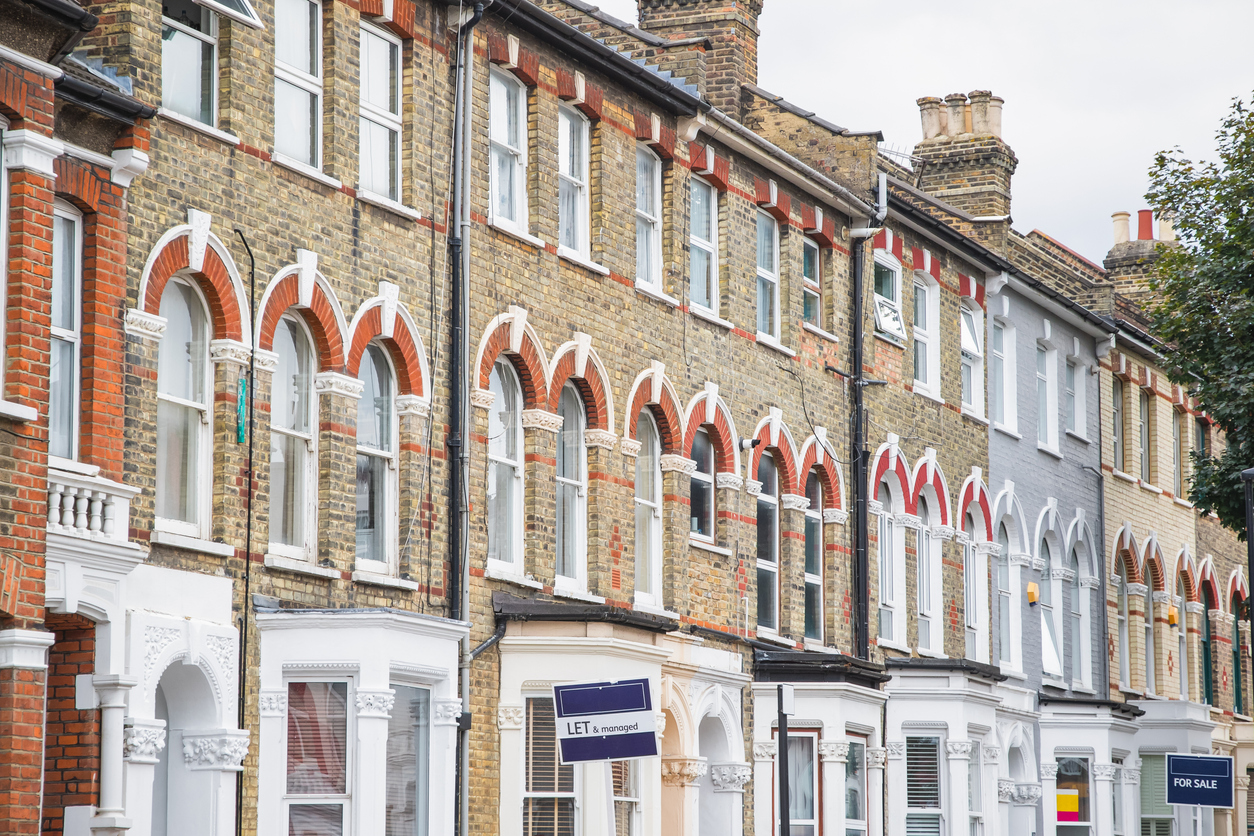
For example, a Victorian property in London may have attractive large rooms but narrow hallways, several staircases and bathrooms located on different floors. Those characteristics can significantly affect its suitability for complex care.
Bedrooms and private living space
Residents should have appropriate private space that reflects their needs.
Bedrooms may need to accommodate:
-
Beds and furniture
-
Mobility equipment
-
Hoists or other specialist equipment
-
Carers providing assistance
-
Personal belongings
-
Appropriate circulation space
Privacy is also important. CQC's current guidance for services supporting autistic people and people with learning disabilities emphasises dignity, privacy and person-centred care when assessing residential settings.
For investors, this means that simply maximising the number of bedrooms may not produce the most suitable specialist property.
Communal areas and the feeling of home
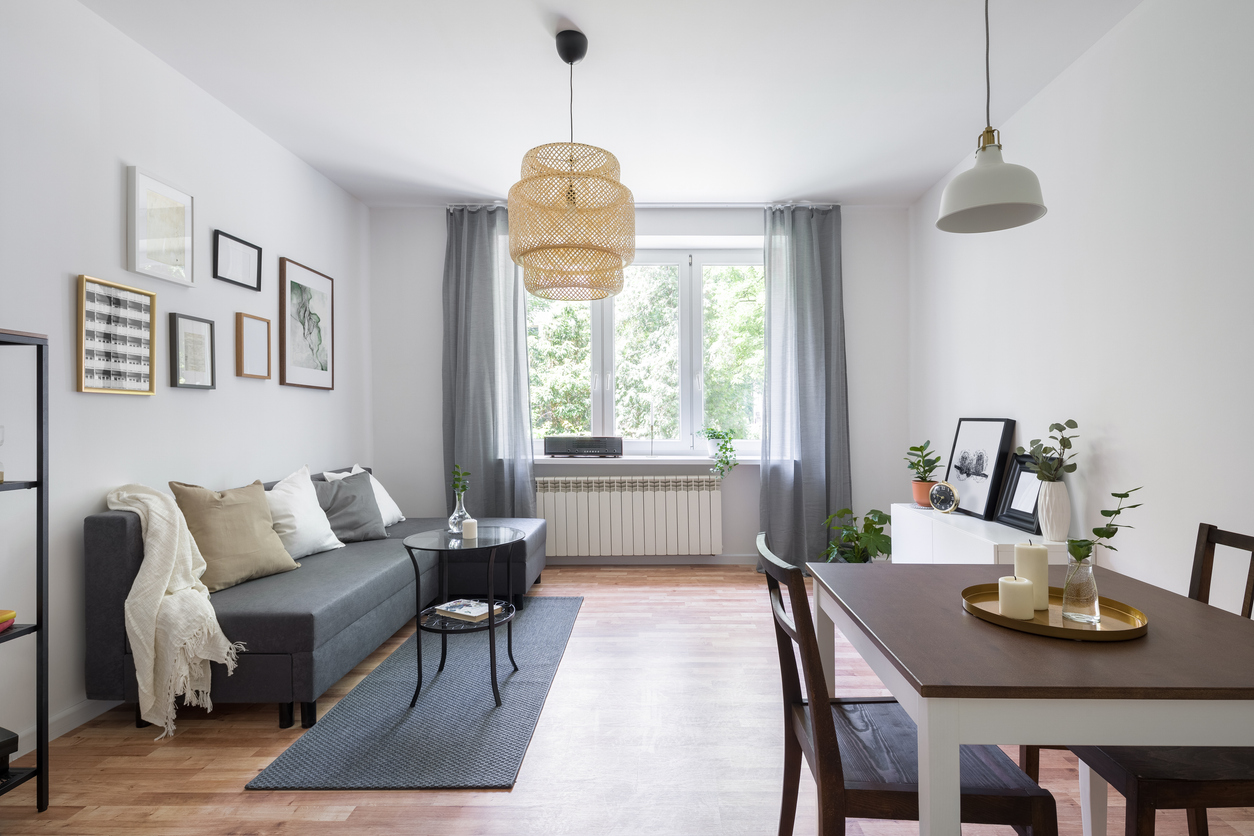
A complex care property should feel like a home rather than simply an institutional building.
Depending on the service, useful areas may include:
-
Shared lounge
-
Dining area
-
Kitchen
-
Quiet room
-
Activity space
-
Accessible garden
-
Private outdoor areas
-
Staff office or working space
CQC's guidance states that residential services for people with autism or learning disabilities should support dignity, privacy and person-centred care, and should be developed in a way that resembles ordinary residential accommodation rather than a congregate institutional setting.
This can influence decisions about property size, layout, communal areas and refurbishment.
Care home or supported living?
One of the most important decisions is establishing what type of service the property will accommodate.
Care home
A care home provides accommodation and personal care together. Both the care and the premises fall within the relevant CQC regulatory framework.
If an organisation intends to operate a residential care home for adults in England, it must register with CQC and provide details of the locations and regulated activities covered by its application. Operating a regulated activity without registration is an offence.
Supported living
Supported living is structured differently. Residents live in their own homes while receiving care or support, with the care regulated by CQC where it constitutes a regulated activity. The individual accommodation is generally not itself a CQC location.
This distinction can affect how a landlord structures the property lease and how the provider operates the service.
Property and care agreements
For supported living, the relationship between accommodation and care should be properly structured.
CQC guidance explains that supported living can involve separate agreements for accommodation and personal care. Residents normally have exclusive possession of at least part of their accommodation, depending on the arrangement.
This is relevant to property owners because a landlord should understand whether they are simply providing residential accommodation to an operator or whether the proposed arrangement involves a regulated care service being provided from the property.
Planning considerations for complex care property
Planning should be assessed before purchasing or converting a property for specialist care.
Potential considerations include:
-
Existing lawful use
-
Proposed number of residents
-
Nature of care
-
Staffing levels
-
Physical alterations
-
Intensity of occupation
-
Parking
-
Neighbouring properties
-
Local planning policies
-
Previous planning permissions
-
Building regulations
A property already operating as an ordinary family home should not automatically be assumed to have the same planning position as a nearby care property.
The proposed service model should be established first, followed by appropriate planning advice for the specific building.
Refurbishing a complex needs care property
A conventional residential property may require substantial refurbishment before it can accommodate people with complex needs.
Potential works include:
-
Accessible bathrooms
-
Wet-room installation
-
Doorway alterations
-
Kitchen adaptations
-
Fire-safety improvements
-
Electrical upgrades
-
Heating replacement
-
Plumbing works
-
Flooring
-
Lighting
-
Security systems
-
Internal reconfiguration
-
External access improvements
-
Garden adaptations
The refurbishment specification should be based on the resident profile.
A property intended for people with significant mobility needs may require extensive accessibility works. A service supporting people with learning disabilities or autism may have different priorities around layout, privacy, sensory considerations and communal space.
Fire safety and property condition
Safety should be assessed before the property is occupied.
A professional property assessment may consider:
-
Fire alarm systems
-
Emergency lighting
-
Fire doors
-
Escape routes
-
Electrical installations
-
Gas systems
-
Heating
-
Plumbing
-
Structural condition
-
Damp and mould
-
Security
-
General hazards
CQC's expectations for care services include safe premises and equipment, appropriate staffing and protection from harm.
For supported housing, government guidance also expects accommodation to be safe and well maintained, with landlords meeting their legal obligations concerning the structure, exterior, installations and hazards.
Choosing a location in London
Location can be just as important as the building itself.
A complex care property may need convenient access to:
-
Hospitals
-
GP surgeries
-
Pharmacies
-
Shops
-
Public transport
-
Parks
-
Community facilities
-
Specialist healthcare
-
Employment or education
-
Social and recreational opportunities
For example, an accessible property in an outer London borough with parking and good healthcare access may be more practical for certain residents than a larger but difficult-to-access property in Central London.
Leasing a property to a care provider
Many landlords prefer to lease specialist properties to established care operators rather than operate the service themselves.
Before signing a lease, the landlord should investigate:
-
Provider identity
-
Regulatory registration
-
Experience
-
Proposed resident group
-
Service model
-
Financial position
-
Lease length
-
Rent structure
-
Repair responsibilities
-
Insurance
-
Refurbishment obligations
-
Alteration rights
-
Compliance responsibilities
-
End-of-lease arrangements
The landlord should also understand whether the provider is operating a care home, supported living service or another form of specialist accommodation.
Due diligence on the operator
A specialist care property is closely connected to the organisation operating it.
Landlords should therefore verify relevant information about the proposed operator before committing to a long-term arrangement.
For adult residential care, CQC registration is a fundamental consideration. CQC identifies registered locations and the regulated activities delivered at or from them.
For supported living, the landlord should establish what care or support is being provided, who manages it and whether CQC registration is required for the regulated activity.
This can help prevent confusion between the property owner and the regulated care provider.
Complex needs care property investment
Specialist care accommodation can be considered as part of a longer-term property investment strategy.
However, investors should assess more than the headline rental income.
Important considerations include:
-
Purchase price
-
Refurbishment costs
-
Accessibility works
-
Planning
-
Lease length
-
Operator strength
-
Maintenance costs
-
Property management
-
Local demand
-
Specialist equipment
-
Exit options
-
Alternative uses
Specialist refurbishment can make a property highly suitable for a particular operator while making it less suitable for conventional residential letting.
The property's long-term flexibility should therefore be considered before major capital expenditure.
A practical London example
Consider an investor with a six-bedroom detached property in South London.
A specialist care provider wants to lease the building for adults with complex support needs.
Before agreeing the arrangement, the investor could assess:
-
Bedroom configuration
-
Bathroom accessibility
-
Fire safety
-
Electrical systems
-
Heating
-
Communal areas
-
Garden access
-
Parking
-
Local healthcare
-
Public transport
-
Planning position
-
Refurbishment requirements
The provider would then assess the property against its specific care model and resident requirements.
This process helps determine whether the property is genuinely suitable rather than assuming that its size alone makes it appropriate.
Ongoing management of complex care property
Specialist properties can require careful ongoing maintenance.
Property management may include:
-
Planned maintenance
-
Emergency repairs
-
Plumbing
-
Electrical maintenance
-
Heating servicing
-
Fire-safety maintenance
-
Pest control
-
External works
-
Contractor coordination
-
Periodic inspections
-
Refurbishment planning
Clear responsibilities between the property owner and care provider are essential.
The lease should establish who is responsible for routine repairs, major works, compliance-related property maintenance and specialist adaptations.
Working with Fraser Bond
Fraser Bond provides property consultancy and property services for landlords, investors, developers and organisations dealing with specialist accommodation requirements across London and the UK.
For a complex needs care property, Fraser Bond can assist with:
-
Property sourcing
-
Property suitability assessments
-
Acquisition support
-
Refurbishment planning
-
Building works
-
Contractor coordination
-
Property repairs
-
Maintenance
-
Facilities support
-
Property management
The right property should be assessed around the intended residents, care model and long-term investment strategy.
If you are looking to buy, lease, refurbish or manage a complex needs care property, Fraser Bond can help assess the building and coordinate the wider property requirements.