


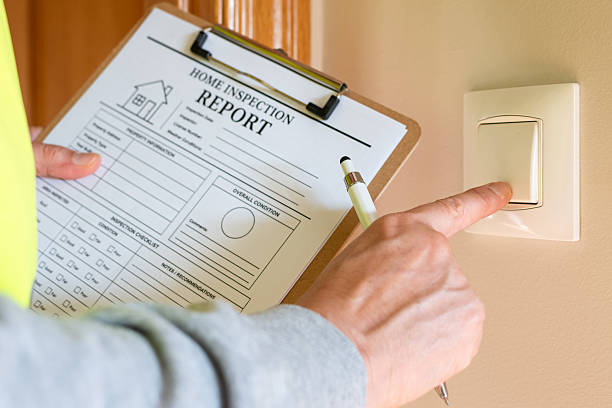
Condition Report – Professional Property Condition Assessment
A condition report provides a structured record of the condition of a property, building element or installation at a particular point in time. Depending on the purpose, it can identify visible defects, deterioration, maintenance requirements and areas requiring further investigation.
Condition reports can be useful for homeowners, landlords, property managers, investors, commercial occupiers and developers who need a clearer understanding of a property's current condition before making maintenance, refurbishment or investment decisions.
Through FraserBond.com, property owners and managers can explore property inspections, surveys and professional property services.
What Is a Condition Report?
A property condition report records the condition of accessible parts of a building.
Depending on the inspection and scope, it may cover:
- Roofs
- Gutters and downpipes
- External walls
- Windows and doors
- Internal walls
- Ceilings
- Floors
- Bathrooms
- Kitchens
- Visible plumbing
- Heating systems
- Electrical installations
- Damp or moisture indicators
- External areas
- General maintenance
The exact coverage depends on the type of report commissioned.
What Does a Condition Report Tell You?
A condition report can help answer questions such as:
- What condition is the property currently in?
- Are there obvious defects?
- Which areas require maintenance?
- Are there signs of water penetration?
- Is further specialist investigation recommended?
- Which repairs should be prioritised?
- Has the property's condition changed over time?
It provides a documented starting point rather than relying entirely on memory or a brief visual inspection.
Property Condition Report
A property condition report can be useful when assessing a residential or commercial building.
The inspection might identify issues such as:
- Cracked finishes
- Damp staining
- Roof defects
- Damaged guttering
- Deteriorated windows
- Defective sealants
- Plumbing leaks
- Damaged flooring
- Poor decoration
- External deterioration
Some observations may be cosmetic, while others can justify further investigation.
Condition Report vs Building Survey
These terms should not automatically be treated as interchangeable.
A basic condition assessment may primarily document visible condition, whereas a more detailed building survey can provide greater analysis of defects, construction and recommended remedial work.
The Royal Institution of Chartered Surveyors (RICS) currently defines three levels of home survey. Level 1 provides a concise overview of condition, Level 2 gives more extensive information and advice, and Level 3 provides the most detailed assessment for complex or extensively altered properties.
The right survey therefore depends on the property and the decisions you need to make.
Condition Report for Home Buyers
A buyer may commission an appropriate property survey before completing a purchase.
An inspection can help highlight defects that weren't apparent during a normal viewing, potentially including:
- Roof deterioration
- Damp
- Cracking
- Window defects
- Drainage concerns
- Previous alterations
- Maintenance requirements
However, buyers should understand the inspection's limitations and exactly what is included before commissioning it.
Condition Report for Landlords
Landlords can use condition reporting to maintain a clearer record of their properties.
Reports may be useful:
- Before refurbishment
- After major works
- Between tenancies
- Before planned maintenance
- When investigating recurring defects
- When acquiring another rental property
Photographic documentation can make the report particularly useful for future comparisons.
Condition Report for Property Managers
Property managers may use condition surveys to support planned maintenance.
Rather than responding only when something fails, an inspection can help identify developing problems across:
- Roofs
- Gutters
- External decorations
- Windows
- Communal areas
- Internal finishes
- Building services
Issues can then potentially be prioritised according to urgency and budget.
Commercial Property Condition Report
Commercial condition reports can be relevant to:
- Offices
- Retail premises
- Warehouses
- Hotels
- Restaurants
- Industrial properties
- Mixed-use buildings
The scope should reflect the property and the reason for commissioning the report.
A commercial investor considering an acquisition, for example, may require a different level of investigation from a tenant simply documenting the condition of leased premises.
Schedule of Condition
A schedule of condition is commonly used to record the condition of a property at a specific date, often using written descriptions and photographs.
It can be relevant in situations involving:
- Commercial leases
- Construction work
- Party wall matters
- Development near neighbouring properties
- Property handovers
Its purpose and legal significance depend on the circumstances, so the document should be prepared for the intended use rather than treated as a generic inspection report.
Condition Report Before a Commercial Lease
A commercial tenant may want the existing condition of premises documented before taking occupation.
This can be particularly important where repairing obligations are involved.
A schedule of condition can sometimes be attached to a lease to document existing defects, but whether and how it limits the tenant's obligations depends on the lease wording.
For significant commercial leases, obtain appropriate surveying and legal advice rather than relying on photographs alone.
Roof Condition Report
A roof condition report can focus specifically on:
- Tiles and slates
- Flat-roof coverings
- Flashing
- Chimneys
- Valleys
- Gutters
- Downpipes
- Roof penetrations
- Visible structural concerns
The report may identify immediate repairs as well as areas likely to require future maintenance.
Safe access will determine how closely different roof areas can be inspected.
Damp Condition Assessment
Signs of moisture can include:
- Staining
- Peeling finishes
- Mould
- Damaged plaster
- Timber deterioration
- Musty smells
A condition report can record these observations, but determining the underlying cause may require further investigation.
Damp should not automatically be attributed to one particular cause without appropriate evidence.
Electrical Condition Report
An Electrical Installation Condition Report (EICR) is different from a general property condition report.
An EICR involves inspection and testing of the electrical installation to assess its condition and identify safety-related observations.
For private rented homes in England, current government guidance says landlords must have electrical installations inspected and tested by a qualified and competent person at least every five years, with a copy of the report supplied to tenants and, when requested, the local authority.
What Does C1, C2 and C3 Mean on an EICR?
Electrical condition reports use classification codes for observations.
Common classifications include:
- C1 – Danger present
- C2 – Potentially dangerous
- C3 – Improvement recommended
- FI – Further investigation required
Electrical Safety First explains that C1 and C2 observations result in an unsatisfactory report, while C3 identifies recommended improvement rather than an immediate or potential danger.
Electrical remedial work should be undertaken by an appropriately competent electrical professional.
Boiler and Heating Condition
A general property condition report may note visible aspects of a boiler or heating installation, but this shouldn't be confused with a specialist boiler service or gas-safety inspection.
Where detailed assessment is required, separate inspection by an appropriately qualified heating professional may be necessary.
Gas appliances and relevant gas work should be handled by a suitably qualified Gas Safe registered engineer<
There is probably a Fraser Bond team for it.
Lettings & management
Finding tenants, running tenancies, and holding the compliance paperwork so you never have to look for it.
Investment & portfolio
Buying well, holding sensibly, and knowing when a property has stopped earning its place.
Commercial property
Offices, retail and mixed use — acquisition, lettings, lease advice and building management.
Professional services
Valuation, lease consultancy, building consultancy and expert advice when a decision needs evidence behind it.
You are one message away from an answer.
Send it to us and get a straight answer.
Describe the property and the problem. We will tell you what we would do, what it should cost, and if we are not the right people, who is.
- Replies the same working day
- The person who answers is the person who handles it
- No fee, and no obligation to instruct us
See everything we are instructed on.
Sales and lettings across Prime Central London and the wider UK, with the same team behind every listing.
- Residential and commercial in one search
- Filter by borough, budget and size
- Register once and we will send matches first
Other insights you may find useful.
 Property & Real Estate Services
Selling Your House in London? Here’s How to Market It Effectively
Read → Property & Real Estate Services
Properties to Rent in Camberwell on the Green - London SE5
Read → Property & Real Estate Services
Estate Agents in Ladbroke Grove: Expert Property Services by Fraser Bond
Read → Property & Real Estate Services
Hotels in Manchester UK - Hospitality Property Insights and Investment Guide
Read → Property & Real Estate Services
Properties to Rent in Wellington Quarter - London SE18
Read → Property & Real Estate Services