Dementia Care Home for Sale: Finding the Right UK Care Property
A practical guide for care operators, investors, developers and property buyers assessing dementia care homes for sale across London and the UK
A dementia care home for sale can represent an opportunity to acquire an established care business, a specialist healthcare property, a former dementia facility or a building with potential for refurbishment and redevelopment.
However, dementia care property requires more detailed assessment than a conventional residential investment. The suitability of bedrooms, communal areas, accessibility, gardens, circulation, fire safety, staffing facilities and the overall layout can directly affect how effectively the property can support residents.
Buyers also need to understand the distinction between purchasing an operating care business and purchasing the underlying property. Planning, CQC registration, building regulations, financial performance and refurbishment requirements should all be investigated before committing to an acquisition.
What Is a Dementia Care Home for Sale?
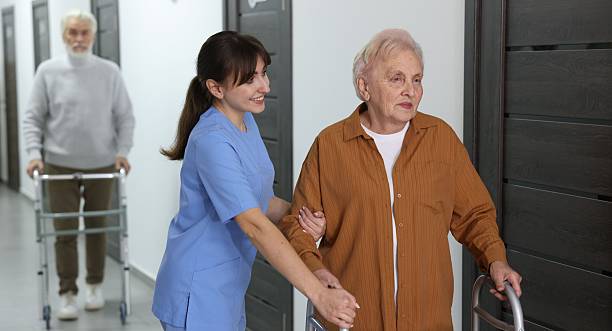
A dementia care home for sale is a residential care property that provides, or is suitable for providing, accommodation and care to people living with dementia.
Properties available on the UK market can include:
-
Operating dementia care homes
-
Residential care homes with dementia provision
-
Nursing homes providing dementia care
-
Former dementia care homes
-
Vacant care properties
-
Freehold care homes
-
Leasehold care properties
-
Purpose-built dementia facilities
-
Care home development opportunities
Current care-home listings demonstrate that dementia provision can form part of an established residential care business. For example, current listings include freehold care homes registered for residential and dementia care.
The buyer therefore needs to establish exactly what is being sold and whether the transaction includes the property, the operating business, or both.
Buying an Operating Dementia Care Home
An established dementia care home may be sold as a going concern.
This can provide the buyer with an existing:
-
Resident base
-
Care team
-
Registered manager
-
Operating systems
-
Care contracts
-
Fee structure
-
Supplier relationships
-
Trading history
-
Property
-
CQC registration history
However, the buyer should conduct detailed financial and operational due diligence.
Important information can include:
-
Occupancy levels
-
Weekly fees
-
Payer mix
-
Staff costs
-
Agency usage
-
Turnover
-
EBITDA
-
Maintenance expenditure
-
Outstanding liabilities
-
Capital expenditure requirements
-
CQC history
-
Recruitment position
The value of a trading care home is therefore influenced by both the property and the underlying operation.
Buying the Property Without the Care Business
Some buyers may instead be interested in the property itself.
A vacant or former dementia care home can potentially be acquired for:
-
Refurbishment
-
Reopening
-
Leasing to a care operator
-
Conversion
-
Redevelopment
-
Alternative healthcare use
This approach can suit property investors and developers who do not intend to operate the care business themselves.
The property should still be assessed against its planning history, building condition and intended future use.
Check the CQC Position
CQC registration is an important part of due diligence when buying a dementia care home in England.
An incoming operator should not assume that a previous provider's registration automatically transfers with the property or business.
CQC's current registration requirements include supporting evidence such as planning permission, legal occupancy, fire risk information, floor plans and relevant safety documentation.
A buyer should therefore establish:
-
Current CQC registration
-
Previous inspection history
-
Registered activities
-
Registered capacity
-
Conditions of registration
-
Any enforcement history
-
Registered manager arrangements
-
Whether the transaction involves a change of provider
The regulatory position should be confirmed as part of the acquisition process.
Planning Permission for a Dementia Care Home
Planning documentation should be reviewed carefully.
CQC currently requires care home applicants to provide planning permission documentation showing that the premises are legally authorised for use as a care home. The documentation should identify the relevant use class and any applicable conditions or restrictions.
A buyer should therefore establish:
-
Current use
-
Previous use
-
Relevant use class
-
Planning conditions
-
Extensions and alterations
-
Any outstanding planning matters
-
Potential future development
-
Whether the intended care model is compatible with the authorised use
A property with an established care use can still require planning consideration if the buyer intends to make substantial alterations or change its use.
Assess the Dementia Care Home Layout
The physical layout is particularly important.
CQC's current floor-plan requirements for care homes include resident bedrooms, en-suite bathrooms, communal areas, activity or quiet spaces, staff facilities, kitchens, laundry areas, fire exits, evacuation routes, accessibility features, gardens and parking.
When viewing a dementia care property, buyers should therefore examine:
-
Bedroom configuration
-
Bathroom provision
-
Communal lounges
-
Dining facilities
-
Activity areas
-
Staff offices
-
Medication areas
-
Kitchen
-
Laundry
-
Storage
-
Circulation routes
-
Outdoor space
The property's floor plan can reveal potential operational limitations that may not be obvious from photographs.
Dementia-Friendly Bedrooms
Bedrooms should provide residents with privacy while allowing carers to work safely.
Important considerations include:
-
Bedroom size
-
En-suite bathrooms
-
Natural light
-
Storage
-
Door visibility
-
Space for mobility equipment
-
Hoist provision where required
-
Accessibility
-
Personalisation opportunities
A bedroom that was acceptable for a previous care model may still require upgrading before being suitable for a modern dementia care operation.
Communal Areas
Communal space is particularly important in dementia care.
A suitable property may provide:
-
Lounges
-
Dining rooms
-
Activity rooms
-
Quiet spaces
-
Family visiting areas
-
Therapy spaces
-
Small social areas
-
Accessible gardens
The layout should allow residents to move between spaces without unnecessarily complicated navigation.
Smaller, recognisable areas can also provide alternatives for residents who find large or busy environments difficult to manage.
Wayfinding and Dementia-Friendly Design
The ability to navigate the building should be considered carefully.
Useful features can include:
-
Simple circulation
-
Clear visual landmarks
-
Distinctive communal areas
-
Easily identifiable bedrooms
-
Clear signage
-
Good lighting
-
Appropriate colour contrast
-
Familiar objects or artwork
These features can be incorporated into a refurbishment programme where an existing property has an outdated layout.
A buyer should therefore assess not only the number of bedrooms but how residents are expected to move around the entire building.
Lighting and Flooring
Lighting and flooring can affect the usability of dementia care environments.
Poor lighting, glare, confusing patterns and highly reflective surfaces can make navigation more difficult for some residents.
When assessing a property, buyers should examine:
-
Natural light
-
Artificial lighting
-
Glare
-
Shadows
-
Flooring patterns
-
Floor-level changes
-
Colour contrast
-
Reflective surfaces
Where necessary, these areas can form part of the refurbishment budget.
Bathrooms and Accessibility
Bathrooms should be accessible and practical for residents who may have reduced mobility.
A dementia care home may require:
-
Accessible showers
-
Wet rooms
-
Grab rails
-
Adequate circulation space
-
Accessible toilets
-
Slip-resistant flooring
-
Clear identification
-
Appropriate lighting
-
Contrasting fixtures
The existing bathroom provision should be compared against the intended resident profile before the purchase is completed.
Secure Gardens and Outdoor Space
A suitable dementia care home can benefit from accessible and secure outdoor areas.
Potential features include:
-
Walking routes
-
Seating
-
Sheltered areas
-
Gardens
-
Raised planting beds
-
Secure boundaries
-
Level paths
-
Family visiting areas
Outdoor space can be especially valuable where residents benefit from regular access to fresh air and meaningful activities.
A property with a substantial garden may therefore have advantages over a similar building with little or no usable outdoor space.
Fire Safety
Fire safety should be assessed before purchasing an existing dementia care property.
The review should consider:
-
Fire detection
-
Alarm systems
-
Fire doors
-
Compartmentation
-
Emergency lighting
-
Escape routes
-
Evacuation procedures
-
Fire-resistant construction
-
Emergency service access
Residents with dementia may have varying levels of mobility and may require staff assistance during an evacuation.
Fire safety arrangements should therefore be considered alongside resident dependency and the proposed operating model.
Building Regulations and Certificates
Planning permission and building regulations are separate requirements.
CQC's current guidance states that, from 5 May 2026, providers must submit a building control final certificate with relevant applications where a location requires building regulations approval. CQC also states that it cannot register the provider where required building regulations approval has not been obtained.
When purchasing an existing property, buyers should request relevant building control documentation and investigate any extensions, conversions or structural alterations.
This is particularly important where the property has undergone several phases of refurbishment.
Former Dementia Care Home for Sale
A former dementia care home may appeal to investors and operators looking for a refurbishment opportunity.
Potential advantages include:
-
Existing care-related layout
-
Bedrooms already configured
-
Communal facilities
-
Existing kitchen
-
Staff areas
-
Established planning history
-
Existing accessibility features
-
Potential for redevelopment
However, the property may also have significant limitations.
A former care home could require:
-
New bathrooms
-
Bedroom upgrades
-
Fire safety works
-
Electrical upgrades
-
Heating improvements
-
Lift repairs
-
New flooring
-
Accessibility modifications
-
Kitchen refurbishment
-
Garden improvements
-
Major structural work
A building survey and detailed cost plan should therefore be completed before the buyer relies on the property's apparent care potential.
Dementia Care Home Refurbishment
Refurbishment should be based on the intended future operation.
Works may include:
-
Bedroom modernisation
-
En-suite installation
-
Wet-room conversion
-
Lighting upgrades
-
Flooring replacement
-
Fire safety improvements
-
New communal areas
-
Kitchen upgrades
-
Accessibility works
-
Lift improvements
-
Secure garden landscaping
-
Heating and ventilation upgrades
-
Energy-efficiency improvements
The cost of these works should be incorporated into the acquisition appraisal.
A lower purchase price does not necessarily represent a lower-cost investment if the building requires extensive refurbishment.
Location of a Dementia Care Home
Location is important for residents, relatives and staff.
A suitable property may benefit from proximity to:
-
Hospitals
-
GP practices
-
Pharmacies
-
Shops
-
Parks
-
Public transport
-
Family communities
-
Local amenities
Staff accessibility should also be considered.
For London properties, transport connections can be particularly important because employees and family members may travel from different parts of the city.
Parking and Vehicle Access
A dementia care home should have practical access for:
-
Staff
-
Families
-
Visitors
-
Deliveries
-
Ambulances
-
Taxis
-
Emergency services
Accessible parking and suitable drop-off arrangements can be particularly important for residents with mobility difficulties.
The buyer should therefore inspect the site's access arrangements rather than relying solely on the property's internal accommodation.
Dementia Care Home Investment
Investors can approach dementia care property in several ways.
Potential strategies include:
-
Buying an established care home as a going concern
-
Buying the freehold with an existing operator
-
Buying a vacant dementia care property
-
Refurbishing a former care home
-
Developing a new dementia care facility
-
Acquiring a property and leasing it to an experienced operator
Each strategy has different risks and capital requirements.
An established operating care home requires detailed business due diligence, while a vacant property requires greater emphasis on planning, refurbishment and development costs.
What Should Buyers Check Before Purchasing?
A buyer should consider obtaining:
-
Title review
-
Planning review
-
Building survey
-
Fire safety assessment
-
Accessibility assessment
-
Environmental assessment
-
Asbestos assessment where applicable
-
Utilities assessment
-
Lift inspection
-
Electrical and gas documentation
-
Water-system information
-
Refurbishment cost plan
-
CQC history
-
Financial accounts
-
Occupancy information
-
Staffing information
-
Operator due diligence
For a trading care home, the buyer should also examine historical occupancy, fee levels, staffing costs, agency usage and maintenance expenditure.
Dementia Care Home Property for Developers
Developers may be interested in properties where the existing building is no longer suitable for modern dementia care but the site has redevelopment potential.
Potential projects can include:
-
Complete refurbishment
-
Extensions
-
Partial redevelopment
-
Demolition and replacement
-
New purpose-built facilities
-
Mixed healthcare developments
Current UK market examples show dementia care forming part of larger purpose-built care home developments, including schemes with dedicated dementia accommodation and specialist outdoor spaces.
Development viability should be tested against planning, construction costs, local demand and the intended operating model.
Finding a Dementia Care Home for Sale in London and the UK
Dementia care homes may be marketed through specialist healthcare property agents, commercial property advisers and care business brokers.
Listings may be described as:
-
Dementia care home for sale
-
Residential care home for sale
-
Nursing home for sale
-
Elderly care home
-
Specialist care home
-
Former care home
-
Vacant care home
-
Healthcare property
-
Care home investment
A property may also have dementia care potential without being marketed specifically under that description.