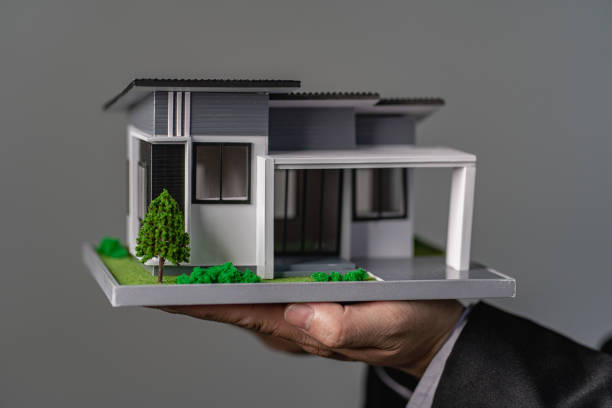
Disabled Children's Home: Finding Suitable UK Property
A practical guide for operators, landlords, investors and developers looking for suitable disabled children's home property across London and the UK
Finding a suitable disabled children's home requires more than identifying a property with enough bedrooms. The building needs to provide a safe, accessible and child-centred environment while supporting the care, accommodation and specialist needs of the children who will live there.
In England, children's homes can accommodate disabled children and may be registered for categories including children with physical disabilities, learning disabilities and sensory impairment. Providers must register with Ofsted before operating a children's home.
For operators, landlords and investors, the property search should therefore consider accessibility, planning, local services, safeguarding, staff facilities and the potential for specialist adaptation.
What is a disabled children's home?
A disabled children's home is a residential children's home providing care and accommodation for children with disabilities.
The home may support children with:
-
Physical disabilities
-
Learning disabilities
-
Sensory impairments
-
Multiple disabilities
-
Complex support needs
-
Additional care requirements
Some homes provide longer-term residential care, while others may provide short breaks or specialist residential services.
The precise category and conditions of registration depend on the service being proposed. Ofsted can apply registration conditions relating to the categories of children accommodated and the number of children the home can care for.
What type of property can work?
There is no single property type that is automatically suitable for every disabled children's home.
Potential opportunities include:
-
Large detached houses
-
Bungalows
-
Former children's homes
-
Former care homes
-
Existing specialist residential properties
-
Purpose-designed children's homes
-
Large properties suitable for conversion
-
Buildings requiring accessibility refurbishment
The best option depends on the needs of the children and the proposed statement of purpose.
A property with a flexible internal layout can be particularly valuable because it may allow the operator to create accessible bedrooms, bathrooms, communal spaces and staff facilities.
Accessibility is a central property consideration
Accessibility should be considered before acquiring or leasing the property.
Depending on the children the home intends to accommodate, the building may require:
-
Step-free entrances
-
Level access
-
Wider doorways
-
Accessible circulation
-
Wheelchair-friendly bedrooms
-
Accessible bathrooms
-
Wet rooms
-
Hoist provision
-
Specialist changing facilities
-
Adapted kitchens
-
Accessible outdoor areas
-
Suitable parking and drop-off arrangements
Not every disabled child has the same needs. The property should therefore be assessed against the specific needs identified in the proposed service model rather than using a generic accessibility checklist.
Bedrooms for disabled children
Bedrooms should provide privacy, comfort and appropriate access to other parts of the home.
Operators should consider:
-
Number of bedrooms
-
Bedroom dimensions
-
Ground-floor bedrooms
-
Space for wheelchairs and mobility equipment
-
Space for carers where required
-
Accessible routes to bathrooms
-
Storage
-
Natural light
-
Ventilation
-
Emergency access
The number of bedrooms does not automatically determine the permitted capacity. Ofsted applies conditions of registration based on the proposed service, including the number and needs of the children who will be accommodated.
Accessible bathrooms and personal care
Bathroom provision can be one of the most important factors when assessing a disabled children's home property.
Depending on the service, the building may require:
-
Level-access showers
-
Wet rooms
-
Accessible toilets
-
Grab rails
-
Specialist bathing equipment
-
Hoist-compatible facilities
-
Changing areas
-
Space for carers to provide personal care
A property with several bathrooms and generous circulation space may provide greater flexibility for specialist adaptation.
Any major alterations should be assessed alongside planning and building regulations requirements.
Communal areas
A disabled children's home should provide comfortable communal spaces where children can socialise, eat, play and participate in activities.
Useful areas can include:
-
Main lounge
-
Dining room
-
Children's activity room
-
Quiet room
-
Sensory space
-
Accessible kitchen
-
Study area
-
Games room
-
Accessible garden
The layout should allow children to spend time together while also providing quieter areas for children who need reduced stimulation or greater privacy.
Specialist equipment and storage
Children with disabilities may use equipment that requires considerably more space than ordinary household items.
The property may need dedicated storage for:
-
Wheelchairs
-
Walking aids
-
Hoists
-
Specialist seating
-
Mobility equipment
-
Therapy equipment
-
Personal care equipment
-
Children's activity equipment
External storage can also be valuable where several children use large mobility devices.
A property with narrow corridors, multiple steps or limited storage may become expensive to adapt, even where the overall floor area appears adequate.
Staff facilities
Staff need an appropriate working environment as well as children needing a suitable residential environment.
Depending on the home, facilities may include:
-
Staff office
-
Secure records storage
-
Staff bathroom
-
Staff welfare area
-
Meeting space
-
Sleep-in accommodation where required
-
Secure medication storage
-
Equipment storage
The property should allow staff to supervise and support children effectively without making the building feel unnecessarily institutional.
Outdoor space
A secure and accessible garden can be a valuable feature of a disabled children's home.
Potential features include:
-
Level pathways
-
Accessible entrances
-
Secure boundaries
-
Outdoor seating
-
Accessible play equipment
-
Sensory planting
-
Safe activity areas
The garden should be assessed for steps, slopes, water features, boundary security and other potential hazards.
A large garden is not automatically suitable if children cannot use it safely or independently.
Location requirements
Location is an important part of the Ofsted registration process.
Applicants must assess safeguarding considerations, access to local and specialist services, transport, staff recruitment, education and whether the location meets the needs of the children. Ofsted also expects applicants to consider access to schools and special schools where relevant.
A property search should therefore consider access to:
-
Special schools
-
Mainstream schools where appropriate
-
GP surgeries
-
Dentists
-
Hospitals
-
Specialist health services
-
Therapy services
-
Pharmacies
-
Public transport
-
Leisure facilities
-
Community services
The surrounding neighbourhood should also be assessed for safeguarding risks and the extent to which it provides an environment where children can develop and maintain appropriate independence.
Planning permission for a disabled children's home
Planning should be investigated before purchasing or leasing a property.
Ofsted requires applicants to provide planning evidence and strongly recommends obtaining any required planning permission before applying for registration. The application cannot progress to a registration visit without the necessary planning evidence.
This is particularly important when considering:
-
A private residential property
-
A former care home
-
A former children's home
-
A commercial building
-
A property requiring conversion
-
A building requiring significant extensions
Planning and Ofsted registration are separate processes. A property being suitable from a planning perspective does not automatically guarantee registration.
Fire safety and building condition
The physical safety of children should be considered throughout the property assessment.
Important areas include:
-
Fire alarms
-
Emergency lighting
-
Fire doors
-
Escape routes
-
Electrical systems
-
Heating
-
Gas safety
-
Water systems
-
Structural condition
-
Damp and mould
-
Asbestos where relevant
-
Security systems
-
External boundaries
Ofsted expects applicants to provide health and safety risk assessments, management plans and arrangements for protection from fire and other emergencies. The registration visit can also require evidence relating to premises safety, equipment such as lifts and hoists, and relevant certificates.
A professional building survey can help identify problems before a long-term lease or purchase is completed.
Former care homes as disabled children's home property
Former care homes can be attractive because they may already have:
-
Multiple bedrooms
-
Communal rooms
-
Several bathrooms
-
Staff facilities
-
Kitchens
-
Accessible areas
-
Fire safety infrastructure
However, a former care home designed for elderly residents may not be appropriate for disabled children without substantial adaptation.
Operators should examine whether the building can provide an environment that is genuinely child-centred and appropriate for the intended residents.
Former children's homes
A former children's home can provide another potential property opportunity.
The building may already have features such as:
-
Children's bedrooms
-
Communal living areas
-
Staff offices
-
Gardens
-
Kitchens
-
Security arrangements
However, the previous registration or use does not automatically transfer to a new provider.
Anyone intending to start a children's home must register with Ofsted, and it remains an offence to operate without the appropriate registration.
An investor or operator taking over an existing property should therefore investigate the current regulatory and planning position rather than relying on the building's historical use.
Buying a disabled children's home property
Purchasing can provide greater control over the building and future adaptations.
Before buying, operators and investors should investigate:
-
Freehold title
-
Planning history
-
Existing use
-
Building condition
-
Fire safety
-
Accessibility
-
Local services
-
Refurbishment costs
-
Potential registration conditions
-
Alternative uses
-
Future resale prospects
The acquisition price should be assessed together with the cost of making the property suitable for the intended service.
Renting a disabled children's home property
Operators may also look for a disabled children's home to rent.
A lease can reduce the upfront capital requirement, but specialist use should be clearly addressed in the lease.
Important terms may include:
-
Permitted use
-
Lease length
-
Rent reviews
-
Repair obligations
-
Alteration rights
-
Planning responsibilities
-
Insurance
-
Maintenance
-
Landlord consent
-
Refurbishment obligations
-
Reinstatement requirements
Where the operator is investing heavily in accessibility adaptations, the security of the lease becomes particularly important.
Disabled children's home investment property
Investors may consider purchasing suitable property and leasing it to an experienced children's home operator.
The investment assessment should consider:
-
Purchase price
-
Rental value
-
Tenant strength
-
Lease length
-
Property condition
-
Accessibility
-
Refurbishment costs
-
Planning position
-
Location
-
Alternative uses
-
Exit strategy
The operator's experience and financial position should be assessed alongside the physical property.
Owning the building does not give an investor the right to operate a children's home. Ofsted registration applies to the provider and service, and the registered provider and manager must continue to meet regulatory requirements.
Ofsted registration for a disabled children's home
Individuals, partnerships and organisations intending to start a children's home in England must register with Ofsted before doing so.
The registration process requires an SC1 application, a statement of purpose and information about the provider, management and proposed service. Ofsted also requires evidence concerning planning and assesses the proposed premises and location.
The current Ofsted guidance states that applications that do not meet its prioritisation criteria can remain on its waiting list. Operators should therefore allow sufficient time for the registration process when planning a new property acquisition or development.
When CQC registration may also apply
Not every disabled children's home requires CQC registration.
Where the main function is providing care and accommodation without CQC-regulated healthcare activities, Ofsted is generally the relevant regulator for the children's home. Where regulated healthcare activities are also provided, the provider may need to consider CQC registration as well.
This should be established during the planning stage, particularly where the proposed service involves substantial clinical or healthcare provision.
What makes a disabled children's home property attractive?
A suitable property may combine:
-
Accessible accommodation
-
Multiple bedrooms
-
Appropriate bathrooms
-
Flexible communal areas
-
Staff facilities
-
Equipment storage
-
Secure outdoor space
-
Good transport links
-
Access to specialist healthcare
-
Nearby schools or special schools
-
Suitable planning prospects
-
Strong building condition
-
Potential for compliant adaptation
The final requirements will depend on the needs and characteristics of the children the home intends to accommodate.
Finding disabled children's home property in London
London provides a range of large residential properties, former care homes and existing children's homes that may be considered for specialist use.
However, operators should avoid searching solely by bedroom count.
The assessment should also consider:
-
Borough planning requirements
-
Local safeguarding considerations
-
Transport
-
Healthcare access
-
Education
-
Special schools
-
Local amenities
-
Property layout
-
Accessibility
-
Outdoor space
-
Refurbishment potential
A property that looks suitable on a listing may require significant work before it can support the intended children's home service.
Property checklist for a disabled children's home
Before progressing with a property, operators should review:
-
Intended care category
-
Statement of purpose
-
Proposed capacity
-
Planning position
-
Location assessment
-
Accessibility
-
Bedrooms
-
Bathrooms
-
Communal areas
-
Staff facilities
-
Specialist equipment storage
-
Outdoor space
-
Fire safety
-
Security
-
Building condition
-
Healthcare access
-
Schools and special schools
-
Transport
-
Refurbishment requirements
-
Ofsted registration implications
This approach can help identify unsuitable buildings before significant capital is committed.
Finding suitable disabled children's home property with Fraser Bond
Fraser Bond supports operators, landlords, investors and property professionals looking for specialist property opportunities across London and the UK.
For a disabled chil