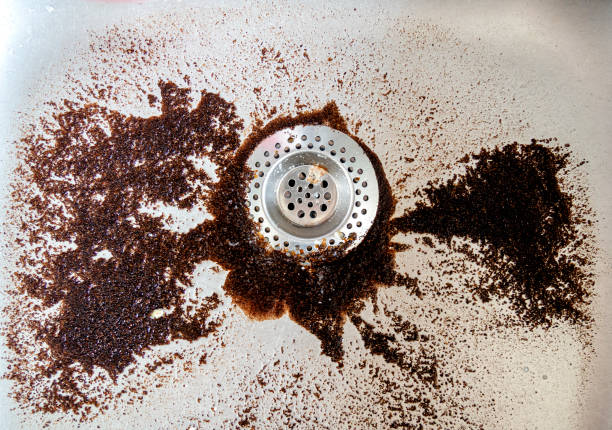
Do Coffee Grounds Block Drains - UK Property and Drainage Guide
Yes, coffee grounds can block drains, particularly when they are regularly washed down a kitchen sink. Unlike some food residues, coffee grounds do not simply dissolve in water. They can collect inside waste pipes and combine with fats, oils, grease and other debris to create increasingly stubborn restrictions.
A small amount of coffee residue entering a sink occasionally is unlikely to cause an immediate blockage. Regularly disposing of coffee grounds through the drainage system, however, can increase the risk of slow drainage and blocked pipes.
For homeowners, landlords, tenants and property managers, putting used coffee grounds in a food-waste or general-waste bin is generally preferable to washing them down the sink.
Why Do Coffee Grounds Block Drains?
Used coffee grounds consist of small solid particles. Although water can carry some of those particles through a waste pipe, the grounds themselves do not disappear.
Problems can develop when grounds settle in bends, traps or areas where wastewater moves slowly.
Coffee grounds can also stick to existing deposits inside a pipe. Kitchen drains are particularly susceptible because they may already contain fats, oils, grease, soap and food residue.
Over time, these materials can combine and reduce the available space inside the pipe.
The result may initially be a slow-draining sink before eventually developing into a more substantial blockage.
Can You Put Coffee Grounds Down the Sink?
It is better to avoid intentionally putting coffee grounds down the sink.
Running plenty of water at the same time does not guarantee that the grounds will travel completely through the drainage system. Some particles can remain behind and contribute to deposits.
The risk can be greater where pipework already drains slowly or contains grease accumulation.
Instead, remove as much of the used coffee as possible before washing coffee equipment in the sink.
Do Coffee Grounds Dissolve in Water?
Used coffee grounds do not dissolve in water in the way that substances such as sugar can.
Coffee brewing extracts soluble compounds from the beans, but the remaining ground coffee is still solid material.
This distinction matters for drainage.
Water may transport the particles, but it does not eliminate them. If they settle somewhere within the waste pipe, they can contribute to an obstruction.
Coffee Grounds and Grease in Kitchen Drains
Coffee grounds can become particularly problematic when combined with fats, oils and grease.
Cooking grease may coat the internal surface of waste pipes. Coffee particles and food debris can then become trapped against these deposits.
Additional material accumulates over time, gradually narrowing the pipe.
This is why kitchen sink blockages frequently involve a combination of substances rather than one individual item.
Avoiding both coffee grounds and cooking grease can significantly reduce unnecessary material entering the kitchen drainage system.
Can Coffee Grounds Block a Garbage Disposal?
Where a property has a waste-disposal unit, coffee grounds can still contribute to drainage problems.
The disposal unit may break down certain food materials, but it does not make coffee grounds soluble.
Large quantities can potentially accumulate in connected pipework after passing through the unit.
Property owners should follow the appliance manufacturer's guidance about what can safely enter the disposal system rather than assuming that all food waste is suitable.
Signs Coffee Grounds May Be Blocking Your Sink
A blockage caused partly by coffee grounds will usually produce the same symptoms as other kitchen drainage obstructions.
Common warning signs include:
-
Kitchen sink water draining increasingly slowly
-
Water remaining in the sink after the plug is removed
-
Gurgling noises from the waste pipe
-
Unpleasant smells from the drain
-
Water backing up into a second sink bowl
-
Repeated kitchen sink blockages
-
Dishwasher drainage problems where waste connections are shared
If the sink repeatedly blocks after basic cleaning, there may be a larger accumulation deeper within the waste system.
How to Clear Coffee Grounds from a Drain
The appropriate method depends on where the obstruction is located and how severe it has become.
If the problem is close to the sink, cleaning an accessible waste trap may remove accumulated coffee grounds, grease and food debris. Always follow appropriate precautions before dismantling plumbing components.
A plunger can sometimes help with straightforward sink blockages.
More substantial obstructions may require professional drain-cleaning equipment.
Avoid repeatedly pouring different chemical drain cleaners into the pipe. Mixing incompatible cleaning chemicals can be hazardous, while chemical treatment may not remove a significant solid obstruction.
If water is completely unable to drain or the blockage repeatedly returns, professional investigation may be more appropriate.
Will Boiling Water Clear Coffee Grounds?
Pouring boiling water down a blocked sink should not be treated as a reliable solution for coffee grounds.
Hot water does not dissolve the solid grounds. It may affect some grease deposits, but the overall obstruction can remain.
Very hot water may also be unsuitable for certain plumbing materials or fixtures.
The better approach is to remove the obstruction and change how coffee waste is disposed of rather than repeatedly attempting to flush it further through the drainage system.
Can Coffee Grounds Cause Drain Smells?
Coffee itself may initially have a pleasant smell, but organic material trapped inside drainage pipes can eventually contribute to unpleasant odours.
Coffee grounds may combine with grease, food particles and other waste inside the pipe.
If a kitchen sink develops a persistent smell alongside increasingly slow drainage, accumulated organic material may be present.
Cleaning accessible components can sometimes resolve the problem. Persistent odours may require further investigation, particularly when several drains are affected.
Can Coffee Grounds Affect a Dishwasher Drain?
Dishwashers frequently connect to waste pipework around the kitchen sink.
If coffee grounds, grease and food residue create a restriction in this shared drainage system, dishwasher wastewater may struggle to discharge correctly.
This can sometimes produce standing water inside the dishwasher or wastewater backing up around the sink.
If both the dishwasher and kitchen sink are draining poorly, the shared waste connection should be considered rather than assuming the appliance itself has failed.
How Should You Dispose of Coffee Grounds?
The simplest approach is to keep as much solid coffee waste as possible out of the drainage system.
Depending on local waste arrangements, used grounds may be suitable for food-waste collection or composting. Otherwise, they can be placed in the appropriate household waste.
Coffee equipment can then be rinsed after the majority of the grounds have been removed.
For households that prepare several coffees every day, this small change can prevent a significant quantity of solid material entering the drainage system over the course of a year.
Coffee Grounds in Rental Properties
Kitchen drain blockages are a common maintenance concern for landlords and tenants.
Clear information about what should and should not enter sinks can help prevent avoidable problems. Coffee grounds, cooking grease and substantial amounts of food waste are best kept out of kitchen drainage.
When a blockage occurs, establishing its cause is important.
A straightforward obstruction within accessible internal pipework presents a different maintenance issue from damaged underground drainage or a defect in the building's plumbing.
For recurring problems, landlords should consider investigating the underlying cause rather than repeatedly arranging temporary clearance.
Fraser Bond supports landlords with lettings, compliance guidance and property advisory services, helping owners manage rental properties and protect the long-term condition of their assets.
Coffee Grounds in Commercial Properties
Coffee shops, restaurants, offices, hotels and other businesses can generate substantially more coffee waste than an ordinary household.
If even a small percentage of those grounds regularly enters sinks, the cumulative quantity can become significant.
Commercial kitchens and staff areas should therefore have appropriate procedures for disposing of coffee grounds and other food waste.
Where a commercial property experiences repeated sink or drainage blockages, planned cleaning and investigation may help determine whether grease, food waste or another underlying problem is responsible.
What Else Should You Avoid Putting Down the Sink?
Coffee grounds are only one potential cause of kitchen drainage problems.
Fats, cooking oils and grease should also be kept out of sinks. Large quantities of food waste, flour and other materials capable of accumulating within pipework can contribute to restrictions.
The principle is straightforward: kitchen drains are designed primarily to carry wastewater rather than dispose of solid food waste.
Reducing the amount of solid and greasy material entering the system can help minimise avoidable blockages.
When Should You Call a Plumber or Drainage Professional?
Professional assistance may be appropriate when the sink is completely blocked, wastewater repeatedly backs up or the same drainage problem continues to return.
A plumber may be suitable for accessible internal waste-pipe problems. Where the blockage is located deeper within underground drainage, a specialist drainage contractor may be required.
Recurring problems can sometimes justify a CCTV drain survey, particularly where there is reason to suspect damaged pipes, roots or another structural defect.
Identifying the actual cause can be more cost-effective than continually clearing the same blockage.
Preventing Kitchen Drain Blockages
Good everyday habits can significantly reduce the risk of a blocked kitchen sink.
Remove coffee grounds and food waste before rinsing plates and equipment. Keep cooking fats and oils out of the sink, and use an appropriate sink strainer where practical.
Pay attention to gradual changes in drainage speed as well. A sink that becomes progressively slower can provide an early warning that material is accumulating inside the pipe.
Addressing the problem before the drain becomes completely obstructed can help avoid an emergency blockage.
Coffee Grounds and Property Maintenance
A few coffee grounds entering a drain accidentally are unlikely to create an immediate property emergency. The greater concern is repeated disposal over months or years.
For landlords and property managers, preventative guidance can help reduce unnecessary maintenance call-outs across rental portfolios.
For homeowners, simple waste-disposal habits can help protect kitchen pipework and reduce the likelihood of inconvenient blockages.
If a property already experiences recurring drainage problems, however, coffee grounds may only be one contributing factor. The underlying drainage condition should also be considered.
Property and Landlord Support from Fraser Bond
Everyday maintenance issues such as blocked kitchen drains can affect the condition and usability of a property, particularly when problems repeatedly occur.
FraserBond.com supports homeowners, landlords, buyers, sellers, investors and developers through property sales, lettings, compliance support and investment advisory services.
For landlords, Fraser Bond combines London market expertise with practical property guidance, helping owners prepare and position rental assets effectively. Buyers and investors can also access location-specific insight when assessing acquisitions, refurbishment requirements and investment opportunities.
Visit FraserBond.com to explore London properties for sale and rent and access professional property advice.