Elderly Residential Care Property: Finding Suitable UK Care Property
A practical guide for care operators, investors, landlords and developers assessing elderly residential care property across London and the UK
Finding the right elderly residential care property requires more than identifying a large building with bedrooms. Care operators need premises that can support the needs of older residents while meeting planning, building, accessibility, fire safety and regulatory requirements.
For investors and landlords, elderly residential care property can represent a specialist healthcare property opportunity. This may include an established care home, former care home, vacant property, purpose-built facility or larger residential building with potential for conversion.
The right property depends on the proposed care model, resident profile, location, building condition and long-term commercial requirements.
Fraser Bond works with care operators, property investors, landlords and developers on specialist property acquisition, refurbishment, leasing, development and management across London and the UK.
What Is Elderly Residential Care Property?
Elderly residential care property is a building designed or adapted to provide accommodation and care for older people.
It may include:
-
Residential care homes
-
Nursing homes
-
Former care homes
-
Purpose-built elderly care facilities
-
Large houses converted for care use
-
Vacant care properties
-
Specialist dementia care facilities
-
Care properties available for investment or redevelopment
CQC considers a care home to be a location where people live as their main or sole residence while receiving care or treatment.
This makes the relationship between the accommodation and care service an important consideration when assessing a property.
Types of Elderly Care Property to Consider
There are several property types that may suit an elderly care operator.
Existing Residential Care Home
An established care home may already have bedrooms, communal areas, accessible facilities and care-related infrastructure.
However, buyers or incoming operators should still assess the building's condition, planning position, regulatory history and suitability for their proposed service.
Former Care Home
A former care home can be attractive because the building may already have features that would otherwise require significant investment.
The buyer should investigate why the previous operation ended and whether the property requires substantial refurbishment before it can be used again.
Vacant Elderly Care Property
A vacant care property may offer an opportunity to refurbish and reposition the building.
Long periods without occupation can create issues with heating, plumbing, security, damp, utilities and general maintenance, so a detailed inspection is important.
Property for Conversion
Some operators and developers look for larger residential properties that could potentially be converted into elderly care accommodation.
This can provide flexibility, but planning, building regulations, accessibility and refurbishment costs need to be assessed before acquisition.
Planning Requirements for Elderly Care Property
Planning should be investigated at an early stage.
A buyer should establish the property's existing authorised use and whether it supports the intended elderly care service.
Where a change of use or significant alterations are proposed, planning permission may be required.
Planning permission and building regulations are separate requirements. CQC explains that building regulations approval may be required when changing the use of a property for business or institutional purposes, including a home for caring for elderly people.
A property should therefore not be assumed to be suitable simply because it has previously accommodated residents.
Building Regulations and Care Property
Building regulations can become particularly important where a property is being converted, extended or substantially refurbished.
Potential works may include:
-
Fire safety upgrades
-
Accessible bathrooms
-
New entrances
-
Lift installation
-
Internal reconfiguration
-
Electrical upgrades
-
Heating improvements
-
Structural alterations
-
Improved escape routes
CQC currently requires a building control final certificate where a provider application involves a location requiring building regulations approval. The certificate must be provided before CQC can register the relevant location.
This makes it important for operators and developers to understand building control requirements before major refurbishment begins.
CQC Registration for Elderly Residential Care
If an operator intends to provide regulated care in England, CQC registration requirements need to be considered.
CQC states that providers must register before carrying out regulated activities, and applications require the provider to have the relevant locations and staff ready. CQC can refuse an application where premises are unsuitable.
CQC also assesses factors including the size, layout and design of premises when assessing care providers.
For care home applications, current additional documentation includes:
-
Business continuity plan
-
Business plan and forecast
-
Environmental risk assessment
-
Evidence of legal occupancy
-
Fire risk assessment
-
Floor plan
-
Gas and electrical safety certificates
These additional documents apply to relevant care home applications from 9 February 2026.
Bedrooms and Resident Capacity
Bedrooms are one of the most obvious considerations when assessing elderly residential care property, but the number of bedrooms alone does not determine the suitability or capacity of a building.
Operators should assess:
-
Bedroom sizes
-
En-suite facilities
-
Corridor arrangements
-
Accessibility
-
Bathroom provision
-
Communal space
-
Staff facilities
-
Storage
-
Fire safety
-
Kitchen facilities
-
Laundry arrangements
The proposed resident capacity should reflect the overall design and intended care model rather than simply the number of available rooms.
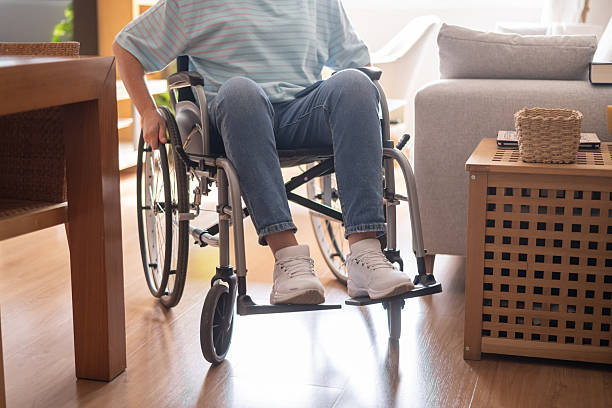
Accessibility for Older Residents
Older residents may have different mobility and accessibility requirements.
A suitable property may need:
-
Level access
-
Wide circulation routes
-
Accessible entrances
-
Accessible bathrooms
-
Handrails
-
Suitable flooring
-
Lifts
-
Stairlifts
-
Wheelchair-friendly external routes
-
Appropriate parking and drop-off areas
The required adaptations will depend on the people the service intends to support.
A building that works well as a conventional residential property may require considerable adaptation before it becomes suitable for elderly care.
Dementia-Friendly Care Property
Where a care operator intends to support people living with dementia, the property assessment should consider more than basic accessibility.
Depending on the care model, useful features can include:
-
Simple circulation routes
-
Clearly identifiable spaces
-
Safe outdoor areas
-
Appropriate lighting
-
Quiet rooms
-
Accessible communal spaces
-
Suitable bedroom layouts
-
Safe bathroom access
Existing care homes designed around dementia care may provide useful infrastructure, but their current condition and suitability should still be reviewed.
Fire Safety in Elderly Care Property
Fire safety is an important consideration because some elderly residents may have limited mobility or require assistance during an emergency.
Buyers and operators should investigate:
-
Fire alarm systems
-
Emergency lighting
-
Fire doors
-
Escape routes
-
Compartmentation
-
Evacuation arrangements
-
Fire risk assessments
-
Staff procedures
CQC currently requires care home applicants to provide a fire risk assessment as part of their supporting documentation.
Where substantial alterations are required, fire safety requirements should be incorporated into the refurbishment plan from the beginning.
Building Services and Maintenance
The condition of the property's essential services can have a major effect on the cost of bringing an elderly care property into operation.
Important areas include:
-
Electrical systems
-
Gas systems
-
Heating
-
Hot water
-
Plumbing
-
Drainage
-
Ventilation
-
Water systems
-
Lifts
-
Fire safety equipment
CQC guidance also expects providers to have appropriate arrangements for maintaining equipment, plant and utilities used to provide the service.
This makes technical due diligence particularly important when purchasing an older or vacant care property.
Kitchen, Laundry and Staff Facilities
An elderly residential care property needs to support staff operations as well as resident accommodation.
Depending on the care model, the property may require:
-
Commercial or suitably equipped kitchen
-
Food storage
-
Laundry facilities
-
Staff office
-
Staff room
-
Secure storage
-
Medication storage
-
Meeting space
-
Cleaning facilities
Existing care homes may already contain these facilities, while properties being converted from conventional residential use may require significant investment.
Buying Elderly Residential Care Property as an Investment
Investors may consider elderly residential care property through different structures.
Potential opportunities include:
-
Freehold care home investment
-
Property leased to a care operator
-
Existing care home acquisition
-
Former care home refurbishment
-
Vacant care property
-
Purpose-built development
-
Care business and property acquisition
Investment analysis should consider the property independently from any assumptions about future care income.
Important considerations include:
-
Purchase price
-
Location
-
Building condition
-
Refurbishment costs
-
Lease structure
-
Operator strength
-
Planning position
-
Regulatory requirements
-
Potential alternative uses
-
Long-term demand
Buying an Existing Care Business
Some elderly residential care properties are sold together with an operating care business.
This requires two separate areas of due diligence.
The buyer should assess the property itself alongside:
-
Financial accounts
-
Occupancy
-
Resident fees
-
Staffing costs
-
Operating expenses
-
Management arrangements
-
CQC history
-
Existing contracts
-
Insurance
-
Capital expenditure requirements
An attractive property may not necessarily represent a suitable business acquisition, and a strong operating business may still require significant property investment.
Elderly Residential Care Property in London
London offers a diverse range of elderly care property opportunities.
Potential properties can range from established care homes in suburban areas to former care facilities and larger houses with potential for conversion.
Outer London locations such as Bromley, Croydon, Barnet, Enfield and Hillingdon may offer different property characteristics from Central London, including larger floor areas, gardens and parking.
Location should also be assessed in relation to:
-
Transport links
-
Local healthcare facilities
-
Staff accessibility
-
Local amenities
-
Population demographics
-
Property values
-
Planning constraints
-
Access for residents and visitors
The best location for a particular operator will depend on its care model and operational requirements.
What to Check Before Buying or Leasing
Before committing to an elderly residential care property, buyers and operators should establish:
-
What is the property's authorised planning use?
-
Has it previously operated as a care home?
-
Why did the previous use end?
-
What is the current building condition?
-
Are the fire safety arrangements adequate?
-
Are gas and electrical certificates available?
-
Is the property accessible?
-
What refurbishment is required?
-
What resident capacity could realistically be supported?
-
Who will fund the required works?
-
What building control approvals are required?
-
What CQC registration requirements apply?
-
Are there restrictions affecting alterations?
-
What are the ongoing maintenance obligations?
Answering these questions before committing to a purchase or lease can help identify major property issues early.
Due Diligence for Elderly Care Property
A structured due diligence process may involve:
-
Title review
-
Planning checks
-
Building survey
-
Building control review
-
Fire safety assessment
-
Accessibility assessment
-
Electrical and gas inspections
-
Water and Legionella assessment
-
Refurbishment cost assessment
-
CQC review where applicable
-
Lease review
-
Business due diligence where an operating care business is included
For a new care provider, the property should be assessed alongside the registration process rather than treated as a separate issue.
CQC states that providers should only submit their registration application when the locations and staff are ready to provide the proposed services.
How Fraser Bond Can Help
Fraser Bond supports care operators, investors, landlords and developers assessing elderly residential care property across London and the UK.
Depending on the project, support can include:
-
Specialist care property sourcing
-
Property acquisition support
-
Investment advisory
-
Property due diligence
-
Refurbishment planning
-
Building works coordination
-
Contractor management
-
Development consultancy
-
Property management
-
Maintenance coordination
-
Landlord and operator support
Whether you are searching for an existing elderly care home, a former care property, a vacant facility or a building suitable for conversion, Fraser Bond can help coordinate the property requirements surrounding the opportunity.
Finding the Right Elderly Residential Care Property
An elderly residential care property needs to work for residents, care staff, operators and property owners.
The right assessment should consider the building's location, layout, accessibility, condition, planning position, regulatory requirements and long-term commercial viability.
For investors and developers, early due diligence can help establish the refurbishment and development potential of a property. For care operators, it can help determine whether the building can support the intended resident profile and care model.
Fraser Bond provides property acquisition, refurbishment, development and management support for specialist care and healthcare property requirements across London and the UK.