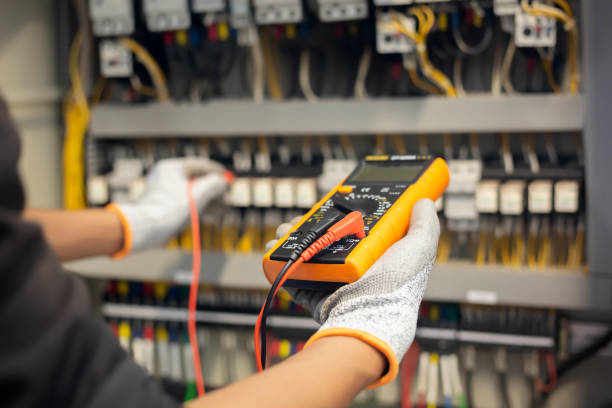
Electrical Inspection – Professional Electrical Safety & Testing Services
An electrical inspection assesses the condition and safety of the electrical installation within a home, rental property or commercial building. It can help identify damaged wiring, defective circuits, inadequate protective measures and other issues that may require repair or further investigation.
Electrical inspections can be relevant when buying a property, maintaining a rental, investigating electrical problems, planning a renovation or assessing an older installation.
Through FraserBond.com, homeowners, landlords, property investors and businesses can explore electrical inspection, testing and wider property maintenance services.
What Is an Electrical Inspection?
An electrical inspection involves examining and, where appropriate, testing parts of a property's fixed electrical installation.
Depending on the scope, this can include:
- Fixed wiring
- Circuits
- Consumer units or distribution boards
- Protective devices
- Earthing and bonding
- Sockets
- Switches
- Fixed lighting
- Electrical accessories
- Signs of damage or deterioration
- Previous alterations
The inspection should be undertaken by an appropriately qualified and competent electrical professional.
Why Get an Electrical Inspection?
Electrical installations can deteriorate over time, and faults are not always immediately visible.
An inspection may be appropriate when:
- Purchasing a property
- Renting out a property
- Managing commercial premises
- Renovating an older building
- Investigating recurring electrical faults
- Assessing older wiring
- Planning major electrical alterations
- Checking an installation after substantial building work
The objective is to understand the condition of the installation and identify defects requiring attention.
Through FraserBond.com, property owners can explore electrical inspection alongside repair and upgrade requirements.
Electrical Installation Condition Report (EICR)
An Electrical Installation Condition Report (EICR) is a formal assessment of the condition of an existing electrical installation.
The inspection and testing can identify issues affecting electrical safety and record observations according to their significance.
An EICR may assess areas such as:
- Wiring condition
- Earthing arrangements
- Protective devices
- Consumer units
- Circuits
- Electrical accessories
- Signs of overheating or damage
- Suitability of existing protective measures
The resulting report provides a documented assessment of the installation at the time of inspection.
Electrical Inspection for Landlords
Electrical safety is an important consideration for residential landlords.
Depending on the property and applicable regulations, landlords may have specific responsibilities concerning electrical inspection, testing and remedial work.
Because legal requirements can change and differ according to property type and location, landlords should verify the current rules applicable to their property and use appropriately qualified professionals.
Through FraserBond.com, landlords can explore electrical services alongside broader rental-property maintenance.
Electrical Inspection Before Buying a House
An electrical inspection before buying a house can provide useful information about the condition of the property's electrical system.
This can be particularly relevant for:
- Older houses
- Properties requiring renovation
- Buildings with extensive previous alterations
- Properties with visibly dated electrical installations
A general building survey may note apparent concerns, but a specialist electrical inspection can provide a more detailed assessment of the installation.
Identifying significant electrical work before purchase can also help buyers understand potential refurbishment expenditure.
Electrical Inspection for Older Properties
Older properties may contain electrical installations that have been altered or extended over many years.
An inspection can help identify:
- Deteriorated wiring
- Outdated equipment
- Poor previous alterations
- Damaged accessories
- Inadequate protection
- Circuits requiring further investigation
Age alone does not determine whether an installation is unsafe. Its actual condition and suitability should be professionally assessed.
Property owners can explore inspection and electrical upgrade requirements through FraserBond.com.
Commercial Electrical Inspection
A commercial electrical inspection can assess fixed electrical installations within business and non-domestic premises.
Properties can include:
- Offices
- Retail units
- Restaurants
- Hotels
- Warehouses
- Industrial premises
- Communal areas
- Managed commercial buildings
Commercial installations may be more extensive than domestic systems and can have different operational requirements.
Through FraserBond.com, businesses and commercial landlords can explore electrical inspections alongside ongoing building maintenance.
Electrical Inspection Before Renovation
A major renovation can be an appropriate time to assess the existing electrical system.
If walls, ceilings and floors will already be opened, required electrical upgrades can potentially be incorporated into the wider project more efficiently.
An inspection may help determine whether the property needs:
- Additional circuits
- Replacement wiring
- New sockets
- Lighting alterations
- Consumer-unit work
- Kitchen electrical upgrades
- Bathroom electrical work
Through FraserBond.com, property owners can explore electrical work as part of a coordinated renovation or refurbishment.
Electrical Fault Finding
An inspection may also be required where the property is experiencing specific electrical problems.
Common symptoms include:
- Circuits repeatedly tripping
- Flickering lights
- Failed sockets
- Loss of power to individual circuits
- Damaged switches
- Unusual electrical behaviour
Electrical faults should be investigated by a competent professional rather than repeatedly resetting protective devices without identifying the cause.
Consumer Unit Inspection
The consumer unit or distribution equipment forms an important part of the electrical installation.
An inspection may assess its general condition, protective devices, connections and suitability within the wider installation.
If deficiencies are identified, an electrician can advise whether remedial work or replacement should be considered.
Replacing a consumer unit should not be treated as an automatic solution to problems elsewhere in the installation; the wider system should be properly assessed.
Electrical Inspection and Rewiring
An inspection does not automatically mean a property requires complete rewiring.
Some installations may require only localised remedial work, while others may have widespread deterioration or deficiencies that justify more substantial replacement.
The decision should be based on the installation's actual condition and the findings of a competent electrical professional.
Through FraserBond.com, property owners can explore inspection, repairs and rewiring where required.
What Happens During an Electrical Inspection?
The exact process depends on the inspection being commissioned, but it may include:
- Reviewing the installation and its general condition.
- Inspecting accessible electrical components.
- Testing relevant circuits and protective measures.
- Recording identified observations and defects.
- Producing appropriate documentation.
- Recommending remedial work where necessary.
Access may be required to the consumer unit, sockets and other parts of the installation.
Clients should confirm the inspection scope before work begins.
What Happens If Problems Are Found?
An electrical inspection may identify defects ranging from relatively minor issues to problems requiring prompt attention.
The electrician should explain the findings and recommend appropriate next steps.
Depending on the results, these could include:
- Repairing damaged accessories
- Correcting wiring defects
- Improving protective measures
- Investigating individual circuits
- Replacing defective components
- Undertaking more extensive electrical upgrades
The scope and cost of remedial work should be understood before additional work is authorised.
How Much Does an Electrical Inspection Cost?
The cost of an electrical inspection depends on factors including:
- Property size
- Number of circuits
- Domestic or commercial use
- Installation complexity
- Accessibility
- Type of inspection
- Reporting requirements
A small flat can require considerably less inspection time than a large house or commercial building.
For accurate pricing, the electrician should understand the property and required inspection scope before providing a quotation.
Choosing an Electrician for an Inspection
When arranging an electrical inspection, consider:
- Appropriate qualifications and competence
- Relevant electrical inspection experience
- Insurance
- Experience with similar properties
- Clear scope of work
- Written pricing
- Appropriate reporting
- Ability to undertake or explain remedial requirements
Where formal certification or regulatory compliance is required, confirm that the electrician is appropriately qualified for that specific work.
Electrical Inspections in London
An electrical inspection in London