Emergency Roofing Services – 24-Hour Roof Repairs & Rapid Response
Professional emergency roofing services provide rapid assistance when roof damage creates an immediate risk to a property. Serious leaks, storm damage, missing tiles, damaged flat roofs and loose roofing materials can all require urgent attention to limit further water ingress and make the building safe.
Emergency roofing is different from routine maintenance. The initial priority is usually to inspect, stabilise and weatherproof the affected area. Temporary coverings or short-term repairs may be necessary before a permanent solution can safely be completed.
Through FraserBond.com, homeowners, landlords, investors and property managers can explore emergency roofing, roof repairs and wider property-maintenance services.
What Are Emergency Roofing Services?
Emergency roofing services are designed for roofing problems that cannot reasonably wait for a normal scheduled appointment.
A typical response can involve:
Emergency Call → Safety Assessment → Roof Inspection → Temporary Protection → Urgent Repair → Permanent Repair Plan
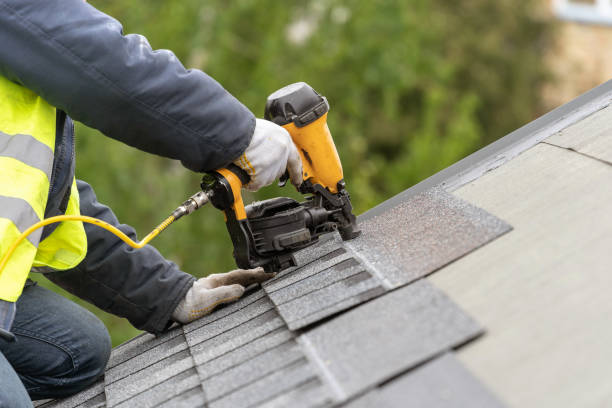
Depending on the problem, contractors may install temporary protection such as tarpaulin or shrink wrap, stabilise damaged sections and provide recommendations for permanent repairs.
When Do You Need an Emergency Roofer?
Consider urgent professional assistance when there is:
- Significant water entering the property
- Major storm or wind damage
- Missing sections of roof covering
- Loose tiles or slates creating a falling hazard
- Fallen branches or debris on the roof
- Sudden flat-roof failure
- Structural damage
- Roof damage exposing the building interior
- A potentially unsafe chimney or roof component
Emergency roofing guidance identifies severe water leaks, storm or debris damage, substantial missing roof coverings and structural concerns among situations requiring rapid attention.
24-Hour Emergency Roof Repairs
Many emergency roofing companies offer 24-hour call-outs, particularly during storms and periods of severe weather.
However, 24-hour attendance does not necessarily mean a permanent repair can be completed immediately.
Darkness, strong winds, heavy rain, unsafe roof conditions or specialist access requirements can prevent full repairs.
The roofer may instead:
- Inspect from a safe position.
- Identify immediate hazards.
- Stop or reduce water penetration.
- Secure loose materials where safely possible.
- Install temporary weather protection.
- Return for permanent repairs under suitable conditions.
This distinction should be made clear when the emergency visit is booked.
Emergency Leaking Roof Repair
An active roof leak is one of the most common reasons for requesting emergency roofing services.
Potential causes include:
- Broken tiles
- Slipped slates
- Failed flashing
- Damaged valleys
- Chimney defects
- Rooflight failures
- Flat-roof membrane damage
- Blocked outlets
- Storm damage
The location where water appears internally does not always identify the external defect.
Rainwater can travel along membranes, rafters and other building components before appearing on a ceiling or wall. A professional inspection should therefore focus on finding the actual entry point rather than simply treating the visible damp area.
Emergency Storm-Damage Repairs
Storms can expose weaknesses that were already developing within a roof.
Common problems include:
Missing Tiles + Displaced Slates + Damaged Ridge + Failed Flashing + Torn Membranes + Fallen Debris
Where immediate permanent repairs are unsafe, emergency roofing contractors can use temporary protection to reduce further water ingress until conditions improve.
Never climb onto a wet or storm-damaged roof yourself.
Loose roofing materials can also create a hazard at ground level, so keep people away from areas beneath visibly unstable tiles, slates or other components.
Emergency Flat-Roof Repair
Flat roofs can sometimes develop serious leaks rapidly, particularly after prolonged rainfall.
Problems can include:
- Split membranes
- Failed seams
- Damaged felt
- Failed GRP detailing
- EPDM damage
- Blocked outlets
- Standing water
- Failed rooflight detailing
- Deteriorated edges
Emergency work may temporarily stop water penetration, but the underlying roof should subsequently be inspected to determine whether a permanent local repair or wider renewal is necessary.
Emergency Tile Repairs
Strong winds can displace tiles or expose existing cracked sections.
A roofer may replace individual tiles where the surrounding covering remains serviceable.
However, the contractor should also consider why the tile failed.
Repeated displacement can indicate deterioration involving fixings, battens or other parts of the roofing system rather than an isolated tile problem.
Emergency Slate Repairs
Natural slate can crack or become displaced, potentially exposing the roof beneath.
Emergency work can include replacing or securing affected slates and temporarily protecting exposed areas.
For older roofs, suitable replacement slate may need to be sourced so that permanent repairs are compatible with the existing covering.
Emergency Chimney Repairs
Chimney defects can result in both water penetration and safety risks.
Problems can include:
- Failed lead flashing
- Loose masonry
- Damaged chimney pots
- Failed pointing
- Deteriorated flaunching
- Storm damage
High-level chimney work may require scaffolding or another suitable access system, meaning an emergency contractor may initially make the situation safe before returning for permanent work.
Lead Flashing Emergencies
Lead flashing protects vulnerable roof junctions around chimneys, walls, valleys and abutments.
When flashing becomes displaced or deteriorates, substantial water penetration can occur despite the main roof covering remaining intact.
A temporary repair may stop immediate leakage, but failed flashing should subsequently receive a suitable permanent repair.
What to Do During a Roof Leak
While waiting for emergency roofing assistance, concentrate on protecting people and the interior of the property.
Where safe, move furniture, electronics and valuables away from the leak and use containers to catch dripping water.
Do not attempt to climb onto the roof.
If water is entering around electrical fittings, wiring, sockets or equipment, avoid touching affected electrical installations. Appropriate electrical assessment may also be necessary.
Keep people away from ceilings that are heavily saturated, bulging or otherwise appear unstable.
Temporary vs Permanent Emergency Roof Repairs
It is important to understand what you are paying for.
Temporary Emergency Repair
Designed to reduce immediate damage and make the property safer.
This could involve temporary coverings, patches or securing damaged materials. Trade guidance specifically identifies tarpaulin, shrink wrap and temporary repair work as common emergency measures.
Permanent Roof Repair
Addresses the actual defect using an appropriate long-term roofing solution.
A temporary repair should therefore be documented as temporary rather than presented as a complete solution when additional work is necessary.
How Much Do Emergency Roofing Services Cost?
Emergency costs depend heavily on location, attendance time, access, roof type and severity of damage.
Current Manchester emergency-roofing guidance gives general benchmarks of around £35–£45 per hour or £280–£360 per day for roofing labour. It also gives indicative averages around £200 for replacement roof tiles, £250 for new flashing and £100/m² for flat-roof repair.
These are general benchmarks rather than guaranteed emergency call-out prices.
Before authorising attendance, ask how the contractor separates:
Call-Out Charge + Labour + Materials + Temporary Repair + Permanent Repair + Scaffolding + VAT
Night, weekend and urgent attendance may be priced differently.
Does an Emergency Roof Leak Mean You Need a New Roof?
Not necessarily.
A useful starting framework is:
Localised Damage + Otherwise Serviceable Roof = Investigate Repair
By comparison:
Widespread Deterioration + Recurring Leaks + Multiple Failures = Investigate Replacement
Emergency circumstances can create pressure to make quick decisions, but complete roof replacement is a substantial project.
If replacement is unexpectedly recommended, ask for photographs and an explanation of the wider deterioration. Where the property has been made safe, obtaining another quotation can also help verify the proposed solution.
Choosing an Emergency Roofing Company
Even when time is limited, basic contractor checks remain worthwhile.
Look for:
- Appropriate roofing experience
- Public liability insurance
- Clear emergency response arrangements
- Written or documented pricing
- Photographic evidence
- Suitable safety procedures
- Permanent repair capability
- Clear guarantees where applicable