Exterior Painting – House Exterior Painting, Preparation & Costs
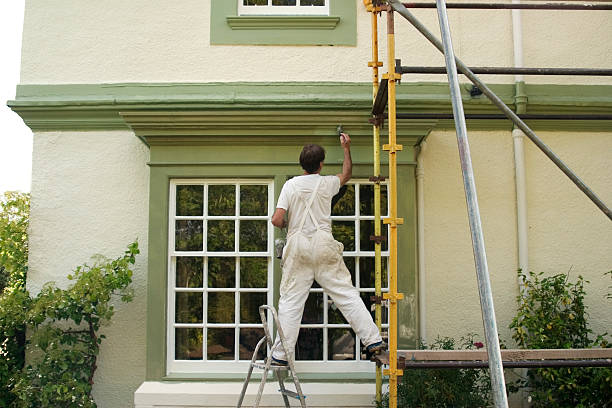
Exterior painting improves the appearance of a property while helping protect exposed masonry, render and timber from weathering. A professional exterior painting project can include walls, rendered elevations, window frames, doors, fascias, soffits, gates and other previously painted external surfaces.
The quality of the finished job depends heavily on surface preparation. Cleaning, removing loose paint, repairing minor defects, filling, sanding and priming appropriate areas should normally take place before finish coats are applied. Current UK exterior-painting guidance similarly identifies preparation, access and surface condition as major factors affecting both price and durability.
Through FraserBond.com, homeowners, landlords and property managers can explore exterior painters, decorators, property repairs and refurbishment services.
What Does Exterior Painting Include?
Depending on the property, exterior painting can cover:
- Rendered walls
- Previously painted masonry
- Pebbledash
- Timber windows
- Exterior doors
- Fascias
- Soffits
- Bargeboards
- Window sills
- Garage doors
- Gates and railings
- Garden walls
- External timberwork
Not every exterior surface should automatically be painted. The existing substrate and coating should be identified before deciding on the appropriate paint system.
Exterior House Painting
A complete exterior house-painting project normally involves several stages:
Inspection → Cleaning → Preparation → Repairs → Priming → Painting → Final Inspection
The amount of preparation can vary considerably.
A modern rendered house in sound condition might need relatively straightforward cleaning and preparation. An older property with peeling coatings, cracked render and deteriorating timber could require substantially more work before painting starts.
Exterior Wall Painting
Exterior wall painting is commonly carried out on previously painted:
- Render
- Masonry
- Stucco
- Pebbledash
- Concrete
A suitable exterior masonry coating should be chosen for the substrate and existing finish.
Applying new paint over loose, contaminated or unstable material is likely to produce a poor result regardless of the quality of the final paint.
Masonry Painting
Masonry paint is designed for suitable exterior wall surfaces.
Before application, the painter should inspect for:
- Flaking paint
- Cracks
- Loose render
- Damp
- Algae
- Moss
- Efflorescence
- Previous coating failure
Bare or unstable areas may require an appropriate primer or stabilising treatment.
Current 2026 guidance for exterior painting typically includes cleaning, minor crack repairs, treatment of organic growth and priming bare areas as part of proper preparation.
Render Painting
Rendered houses can often be repainted when the existing surface is suitable.
The process may involve:
- Inspecting the render.
- Cleaning the elevation.
- Removing loose coatings.
- Repairing appropriate cracks.
- Priming bare or repaired areas where required.
- Applying the specified finish coats.
Significant cracking shouldn't simply be hidden beneath paint.
The cause and condition of the render should be assessed first.
Painting Pebbledash
Pebbledash can take considerably more paint than a smooth rendered wall because of its irregular surface.
Preparation is particularly important where the existing coating is:
- Chalky
- Flaking
- Dirty
- Algae-covered
- Poorly bonded
The painter should also establish whether the pebbledash itself remains sound.
Exterior Brick Painting
Painting brickwork changes both the appearance and future maintenance requirements of the elevation.
Before painting brick, consider:
- Condition of brickwork
- Mortar condition
- Moisture
- Existing coatings
- Property age
- Appropriate coating system
Once previously unpainted brick is painted, maintaining that finish can become an ongoing responsibility.
For period properties, compatibility and breathability may also require particular attention.
Exterior Wood Painting
Exterior timber needs protection because it is exposed to moisture and changing temperatures.
Common painted timber elements include:
- Windows
- Doors
- Fascias
- Soffits
- Bargeboards
- Timber cladding
Preparation may involve scraping, sanding, filling and priming before the finishing coats are applied.
Paint shouldn't simply be applied over rotten timber.
Exterior Window Painting
Timber windows can often be restored rather than immediately replaced.
Preparation may involve:
- Removing loose paint
- Sanding
- Filling minor defects
- Repairing local timber damage
- Priming exposed timber
- Applying finishing coats
Care is needed around glazing and opening sections so that windows remain functional after decoration.
Current 2026 UK cost guidance places timber window-frame painting at roughly £50–£120 per window, although size, condition, detailing and access can substantially change the price.
Front Door Painting
Painting a front door can provide a relatively inexpensive visual improvement without repainting the entire house.
A timber-door project might involve:
Remove Hardware Where Appropriate → Clean → Sand → Repair → Prime → Undercoat → Finish
The exact system depends on the existing coating and chosen product.
Current UK guidance estimates around £80–£200 for painting a front door, but detailed preparation, elaborate doors and specialist finishes can cost more.
Fascia and Soffit Painting
Painted timber fascias and soffits require periodic maintenance.
Problems to check before painting include:
- Peeling coatings
- Exposed timber
- Cracks
- Failed joints
- Water staining
- Rot
Where timber is rotten, repair or replacement should come before decoration.
Painting over deterioration may improve appearance temporarily without addressing the underlying problem.
Exterior Paint Preparation
Preparation is one of the most important parts of exterior decorating.
Depending on the surface, professional preparation can include:
- Washing
- Scraping
- Sanding
- Removing loose material
- Treating appropriate organic growth
- Filling
- Minor render repair
- Timber repair
- Priming
- Masking
Current London pricing guidance notes that preparation can represent around 30–40% of project time, illustrating why two quotations for apparently identical exterior painting jobs can differ substantially.
Painting Over Peeling Exterior Paint
Don't simply apply another coat over peeling paint.
Where the existing coating has lost adhesion, loose material needs to be removed back to a sound edge.
The contractor should also consider why the previous coating failed.
Possible reasons include:
- Poor preparation
- Moisture
- Incompatible coating
- Painting unsuitable surfaces
- Weather during application
- Age
Unless the underlying cause is addressed, the new coating may eventually fail in the same way.
Exterior Cracks Before Painting
Small superficial defects can sometimes be repaired during decorating preparation.
Larger, moving or recurring cracks deserve further investigation.
Exterior paint shouldn't be used as a substitute for structural or render repairs.
If a crack repeatedly returns, establish why before continually filling and repainting it.
Damp Walls and Exterior Painting
A damp exterior wall shouldn't simply be sealed beneath a new decorative coating.
Possible moisture sources include:
- Leaking gutters
- Defective downpipes
- Failed render
- Cracked masonry
- Roof problems
- Plumbing leaks
- Poor detailing
Repair the source first and allow appropriate drying before applying a compatible coating system.