Former Nursing Home for Sale: Assessing Care Property Opportunities in the UK
A practical guide for care operators, investors, developers and property buyers considering a former nursing home for sale across London and the UK
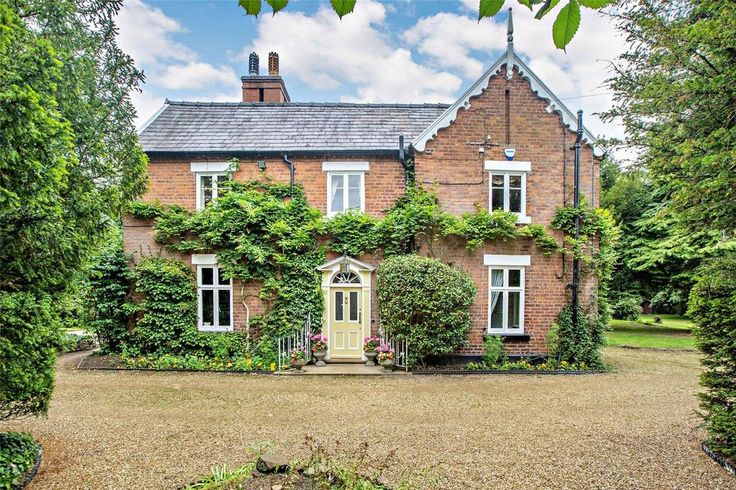
A former nursing home for sale can present an interesting property opportunity for care operators, investors and developers. A building that previously accommodated residents receiving nursing or personal care may already have features that would be difficult and expensive to create from scratch.
However, previous nursing home use does not automatically mean that a property is ready to reopen or suitable for a new care operation. Planning status, building condition, accessibility, fire safety, refurbishment requirements and the proposed care model all need to be investigated before proceeding.
Fraser Bond helps investors, care operators, landlords and developers source, assess, acquire and refurbish specialist property across London and the UK.
Why Buyers Consider Former Nursing Homes
Former nursing homes can offer a different starting point from ordinary residential or commercial property.
A suitable former facility may already have:
-
Multiple bedrooms
-
Communal lounges and dining areas
-
Accessible bathrooms
-
Kitchen and catering facilities
-
Staff areas
-
Utility and storage rooms
-
Lift access
-
Fire safety infrastructure
-
Accessible entrances
-
Gardens or outdoor areas
-
Parking and service access
These existing features can potentially reduce the amount of work required compared with converting an unrelated property.
The actual suitability depends on the property's present condition and the requirements of the proposed operator.
What a Former Nursing Home May Be Used For
A former nursing home does not necessarily have to return to exactly the same model of operation.
Depending on planning, building configuration and the proposed business, buyers may investigate uses such as:
-
Nursing home
-
Residential care home
-
Specialist care accommodation
-
Rehabilitation accommodation
-
Healthcare-related use
-
Supported accommodation
-
Specialist residential services
-
Residential redevelopment
-
Refurbishment and resale
Any proposed alternative use should be assessed independently rather than assuming the property's former use automatically permits the new use.
Investigating the Property's Previous Use
Before buying a former nursing home, establish why the facility ceased operating.
The reason could be relatively straightforward, such as:
-
Retirement of the owner
-
Sale of the business
-
Relocation
-
Portfolio restructuring
-
Planned redevelopment
-
Property refurbishment
However, buyers should also investigate whether the closure was associated with significant building, planning, financial or regulatory issues.
CQC's public care-service records can provide information about registered care services and their inspection history, which can be useful background information when investigating a property's former operation.
A historical issue does not necessarily make a property unsuitable, but understanding the circumstances helps a buyer assess the project properly.
Planning Permission for a Former Nursing Home
Planning should be one of the first areas checked.
A property may have previously operated as a nursing home, but the buyer should establish the current planning position and whether the intended future use is authorised.
CQC guidance explains that planning consent is granted by the local planning authority and that documentary evidence may be required to demonstrate that the premises can lawfully operate for the proposed purpose.
Buyers should investigate:
-
Existing planning use
-
Previous planning permissions
-
Conditions attached to permissions
-
Planning enforcement history
-
Previous extensions
-
Proposed changes of use
-
Potential redevelopment
-
Restrictions affecting alterations
Where significant refurbishment or redevelopment is planned, planning advice should be obtained before committing to the project.
Building Regulations and Conversion Work
Planning permission and building regulations approval are separate matters.
CQC states that building regulations approval can be required when changing a property's use for business or institutional purposes, including a nursing home.
If the former nursing home requires substantial alteration, the buyer should establish what approvals will be necessary before work begins.
For locations requiring building regulations approval, CQC currently requires a building control final certificate as part of a provider application and states that registration cannot proceed without the required approval.
This makes building-control documentation particularly important when assessing a former nursing home that has undergone significant alterations.
Assessing the Building Condition
A former nursing home may have been vacant for months or years.
A detailed building survey can identify issues involving:
-
Roofs
-
Windows
-
Damp
-
Drainage
-
Plumbing
-
Electrical systems
-
Heating
-
Ventilation
-
Lifts
-
External walls
-
Flooring
-
Bathrooms
-
Kitchens
-
Fire safety installations
Vacant properties can also require additional maintenance before they can be brought back into use.
The purchase price should therefore be considered alongside the likely refurbishment and compliance costs.
Fire Safety Considerations
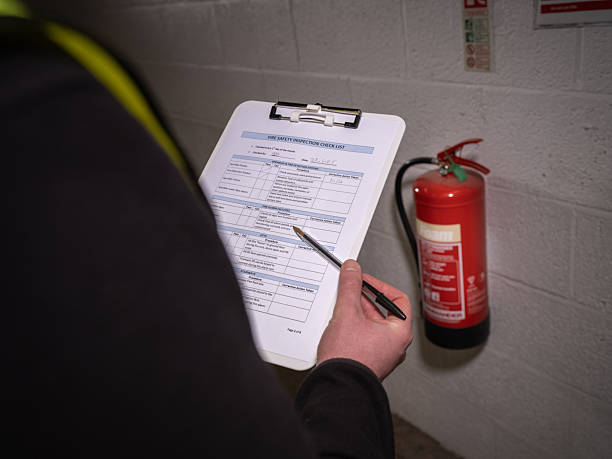
Fire safety is particularly important when assessing former care property.
Buyers should investigate:
-
Fire alarm systems
-
Emergency lighting
-
Fire doors
-
Compartmentation
-
Escape routes
-
Evacuation arrangements
-
Fire-resistant construction
-
Access for emergency services
CQC requires care-home applicants to provide a fire risk assessment as part of the additional documentation for new applications.
A previous fire safety system should therefore be inspected rather than assumed to remain adequate for the proposed operation.
Accessibility and Resident Requirements
Former nursing homes may already contain accessibility features, but these should be assessed against the needs of the new service.
Areas to review include:
-
Entrance access
-
Door widths
-
Corridors
-
Lifts
-
Staircases
-
Bathrooms
-
Bedroom access
-
Wheelchair circulation
-
Hoist provision
-
Outdoor access
The requirements can vary considerably depending on the residents the operator intends to support.
A building previously used for general elderly care may require additional adaptation for residents with more complex physical or nursing needs.
Floor Plans and Internal Layout
The internal layout can have a major influence on the cost of bringing a former nursing home back into operation.
CQC requires care-home applicants to provide a floor plan showing how residents, staff and visitors move around the premises. The floor plan helps CQC assess whether the premises are safe, suitable and appropriately laid out for delivering care.
When reviewing a former nursing home, buyers should therefore consider whether the existing layout still works for the intended service.
A poor layout can create expensive refurbishment requirements even when the building itself is structurally sound.
Bedrooms and Bathrooms
Bedroom capacity is often one of the main reasons buyers consider former nursing homes.
However, the number of rooms is only part of the assessment.
Buyers should consider:
-
Bedroom dimensions
-
Ensuite facilities
-
Natural light
-
Ventilation
-
Accessibility
-
Resident privacy
-
Equipment space
-
Staff access
-
Emergency evacuation
Bathrooms should also be assessed individually to determine whether they can accommodate the needs of the intended residents.
Kitchen, Laundry and Staff Facilities
The back-of-house facilities can significantly affect the viability of a former nursing home.
Potential areas to investigate include:
-
Main kitchen
-
Food storage
-
Laundry
-
Clean and dirty utility areas
-
Staff room
-
Changing facilities
-
Office space
-
Storage
-
Medication areas
-
Waste management
A former facility may have equipment or installations that require replacement after a period of vacancy.
Gas, Electrical and Water Systems
Services should be professionally inspected before acquisition.
For new care-home registration applications, CQC requires current gas and electrical safety certificates where applicable. The certificates must be valid and up to date, generally issued within 12 months of the application.
Buyers should therefore establish the condition of the property's existing installations and determine whether substantial upgrades are required.
Water systems should also be assessed, particularly in a property that has been vacant for an extended period. CQC currently requires care homes to provide a Legionella risk assessment as part of the registration process.
Buying a Former Nursing Home for Refurbishment
Some buyers deliberately target properties requiring substantial refurbishment.
This strategy can provide an opportunity to redesign the property around a modern care model.
Potential refurbishment works include:
-
Bedroom reconfiguration
-
Bathroom upgrades
-
New flooring
-
Kitchen refurbishment
-
Fire safety improvements
-
Electrical upgrades
-
Heating replacement
-
Lift upgrades
-
Accessibility improvements
-
Decoration
-
Garden improvements
-
Security systems
-
Staff facilities
Before purchasing, buyers should obtain realistic construction estimates and allow for professional fees, planning costs and contingency.
Former Nursing Home for Sale as an Investment
Investors may consider former nursing homes where there is potential to acquire the property, refurbish it and either lease it to an operator or sell it after redevelopment.
Potential strategies include:
-
Refurbish and operate
-
Refurbish and lease
-
Acquire and appoint an operator
-
Redevelop the site
-
Convert to another approved use
-
Hold as specialist healthcare property
The investment case depends on the purchase price, refurbishment cost, planning position, location, operator demand and potential exit value.
A property with a low asking price can still become expensive if extensive structural and compliance work is required.
Former Nursing Home for Sale in London
London can offer opportunities for buyers seeking specialist care property, but competition for suitable buildings and high development costs make detailed due diligence particularly important.
Potential locations may include areas across North, South, East and West London, depending on the intended care model and property requirements.
A former nursing home in a suburban location may provide advantages such as:
-
Larger buildings
-
Gardens
-
Parking
-
Easier vehicle access
-
Established residential communities
-
Potentially more suitable layouts
Central London properties can offer different opportunities but may involve higher acquisition costs and greater planning or conversion complexity.
Buying a Former Nursing Home for a New Operator
A care operator acquiring a former nursing home should assess the property alongside its operational plan.
Important questions include:
-
How many residents will be accommodated?
-
What type of nursing care will be provided?
-
Is the existing layout suitable?
-
What refurbishment is required?
-
What planning permissions are necessary?
-
What CQC documentation will be required?
-
What staffing model will be used?
-
What equipment will be needed?
-
What are the projected operating costs?
CQC currently requires new care-home applicants to provide additional documents including evidence of legal occupancy, planning permissions, fire risk assessment, floor plan, gas and electrical safety certificates and other operational documentation.
Former Nursing Home for Sale to an Investor or Developer
For investors and developers, the property's potential may extend beyond simply reopening the former nursing home.
A buyer might investigate:
-
Refurbishment
-
Extension
-
Additional bedrooms
-
New communal facilities
-
Redevelopment
-
Alternative approved use
-
Long-term lease to a care operator
The feasibility of each strategy depends on planning, site constraints, building condition and market demand.
A development appraisal should be prepared before selecting the preferred route.
Due Diligence Before Buying
A former nursing home should undergo comprehensive due diligence before exchange of contracts.
This can include:
Property survey
Identify structural, mechanical and general building defects.
Planning review
Establish the lawful existing use and proposed planning requirements.
Building regulations review
Check previous building works and available completion documentation.
CQC history
Review the property's previous registration and inspection history where available.
Fire safety assessment
Establish the condition of fire safety systems and potential upgrade requirements.
Services inspection
Assess electricity, gas, water, heating, ventilation and drainage.
Accessibility review
Determine whether the building can support the intended residents.
Financial appraisal
Calculate acquisition, refurbishment, professional and ongoing property costs.
Legal due diligence
Check title, rights of way, restrictions, leases, covenants and other matters affecting the property.
How Fraser Bond Can Help With a Former Nursing Home for Sale
Fraser Bond provides property consultancy support for buyers, nursing home operators, investors and developers considering former care properties across London and the UK.
Depending on the project, support can include:
-
Property sourcing
-
Acquisition advice
-
Property due diligence
-
Investment advice
-
Planning coordination
-
Refurbishment planning
-
Building works coordination
-
Contractor management
-
Property maintenance
-
Development consultancy
-
Lease support
-
Care property strategy
This can help buyers assess the entire project rather than focusing only on the advertised purchase price.
Start With the Full Property Opportunity
A former nursing home for sale can offer an opportunity to acquire a specialist property with existing care-related infrastructure, but the building's history should not replace proper due diligence.
Buyers should establish the planning position, inspect the building, review previous care use, understand refurbishment requirements and assess the proposed future operation before committing to the purchase.
For investors, developers and nursing home operators looking for former care properties in London or elsewhere in the UK, Fraser Bond can help source and assess opportunities and coordinate the wider property requirements involved in acquisition, refurbishment and future use.