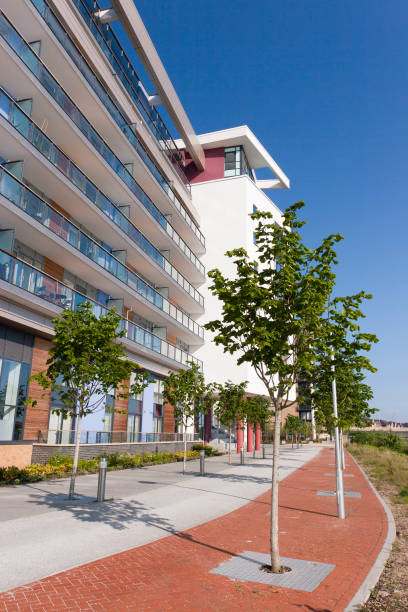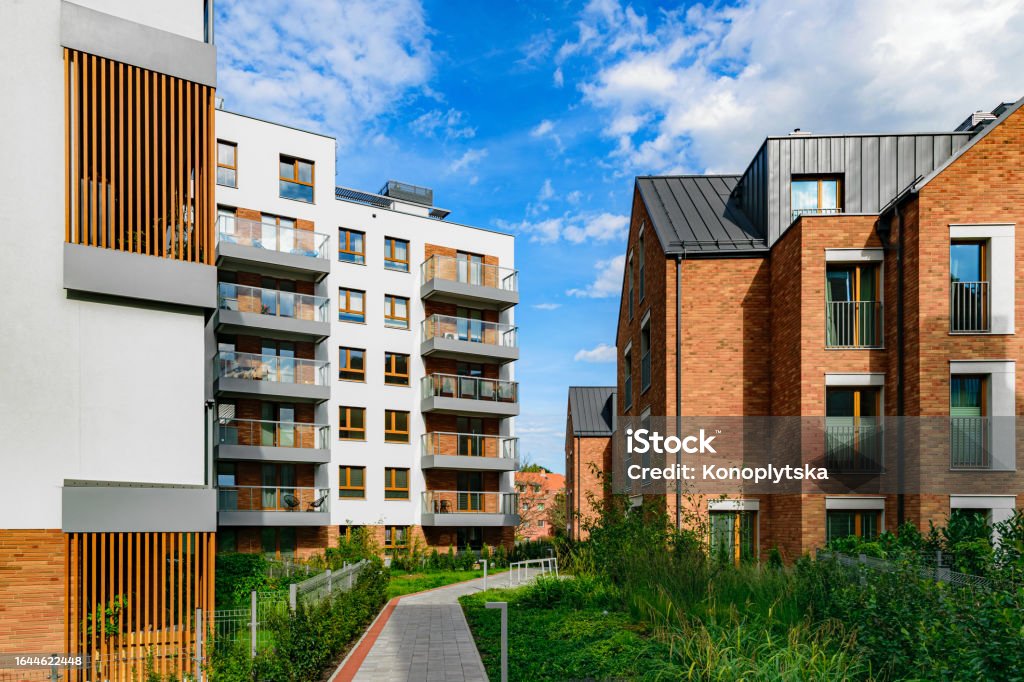
High Needs Supported Accommodation: Finding Suitable Property for Specialist Support
A practical guide for landlords, investors and providers sourcing accommodation for people who require higher levels of support
High needs supported accommodation requires careful planning because the property must work alongside the needs of the people living there and the support model delivered by the provider.
The term can cover different housing and care arrangements. In adult supported living, people generally live in their own homes while receiving care or support designed around their individual needs. CQC regulates the care provided, while the accommodation itself is generally not regulated as a care service.
For landlords and investors, suitable properties can include adapted houses, bungalows, flats and purpose-built accommodation. For providers, the challenge is finding a property that is accessible, safe, appropriately located and financially practical to adapt.
What is high needs supported accommodation?
High needs supported accommodation is generally used where residents require more substantial or continuous support than would be expected in ordinary independent housing.
Depending on the service, residents may have:
-
Physical disabilities
-
Learning disabilities
-
Autism
-
Mental health needs
-
Neurological conditions
-
Mobility difficulties
-
Multiple support needs
-
Significant personal care requirements
-
Behavioural or communication support needs
The exact requirements should always be established from the intended resident profile rather than assuming that every high needs service requires the same property specification.
High needs supported living versus residential care
The distinction between supported living and residential care is important when assessing a property.
CQC describes supported living as accommodation where a person lives in their own home and receives care or support intended to promote independence. The care is regulated by CQC, while the accommodation is generally not.
A care home is different because accommodation and personal care are provided together. Both the care and premises are regulated under the relevant CQC framework.
The contractual arrangement can also matter. CQC explains that supported living commonly involves separate arrangements for housing and care, whereas accommodation that is contractually bound together with care can fall within a different regulatory framework.
Providers should therefore establish their intended operating model before selecting a property.
What type of property works for high needs supported accommodation?
Potential property types include:
-
Large detached houses
-
Semi-detached houses
-
Bungalows
-
Accessible flats
-
Purpose-built supported living schemes
-
Self-contained apartments
-
Adapted residential properties
-
Former care properties
-
Properties suitable for specialist refurbishment
The ideal property depends on the residents and the level of support required.
A large house is not automatically suitable. A smaller purpose-built property with accessible facilities may provide a better environment for certain residents.
Accessibility should be assessed before committing to a property
Accessibility can be one of the biggest factors in a high needs accommodation project.
The property should be assessed for:
-
Level access
-
Entrance width
-
Door widths
-
Corridor space
-
Stair access
-
Ground-floor bedrooms
-
Bathroom accessibility
-
Wheelchair movement
-
Mobility equipment
-
Accessible outdoor space
-
Parking
-
Emergency evacuation
Potential adaptations may include ramps, wider doors, wet rooms, accessible kitchens, lifts and improved circulation routes.
The important question is not simply whether a property can be adapted, but whether the adaptations can be completed at a reasonable cost without compromising the building.
Bedrooms and private living space
Residents should have adequate private space that reflects their individual needs.
Bedrooms may need to accommodate:
-
Beds
-
Personal furniture
-
Wheelchairs
-
Hoists
-
Specialist equipment
-
Storage
-
Staff assistance
-
Safe circulation
Providers should avoid focusing solely on the number of bedrooms.
A property with fewer but appropriately sized bedrooms may be more suitable than a larger property containing small rooms that cannot accommodate equipment or staff support.
Bathrooms and specialist facilities
Bathroom design can have a significant impact on the suitability of high needs accommodation.
Depending on the resident group, the property may require:
-
Wet rooms
-
Level-access showers
-
Accessible toilets
-
Grab rails
-
Specialist bathing equipment
-
Non-slip surfaces
-
Increased circulation space
-
Appropriate ventilation
-
Emergency assistance arrangements
Before taking a lease, providers should determine whether existing bathrooms are suitable or whether refurbishment is required.
Communal areas
Communal space should support social interaction without removing residents' privacy and independence.
Depending on the service, a property may require:
-
Shared lounge
-
Dining area
-
Accessible kitchen
-
Activity room
-
Quiet room
-
Laundry
-
Secure storage
-
Staff office
-
Accessible garden
A domestic environment can often be more appropriate than an institutional layout, particularly where the service is designed to help people develop or maintain independence.
Staff accommodation and overnight support
Some high needs supported accommodation schemes require staff to remain on site overnight.
The property may therefore need:
-
Sleep-in room
-
Staff office
-
Staff bathroom
-
Secure records area
-
Medication storage arrangements where applicable
-
Staff break area
CQC examples of supported living services include properties with either a sleep-in room for staff or waking-night staff arrangements.
The provider should establish these requirements before choosing the property.
Location and access to services
A suitable building in the wrong location can still create operational problems.
Providers should consider access to:
-
Hospitals
-
GP surgeries
-
Pharmacies
-
Specialist healthcare
-
Public transport
-
Shops
-
Parks
-
Community facilities
-
Employment
-
Education
-
Family networks
The location should also be considered in relation to the provider's existing staff and service infrastructure.
For specialist supported housing projects, understanding local demand is important before acquiring or leasing a property.
Planning considerations
Planning should be reviewed before a property is purchased or leased for high needs supported accommodation.
Potential issues include:
-
Proposed use
-
Number of residents
-
Staffing arrangements
-
Change of use
-
Extensions
-
Additional bedrooms
-
Parking
-
Accessibility alterations
-
External ramps
-
Fire safety works
The exact planning position depends on the proposed operation and the existing lawful use of the property.
Providers should obtain professional planning advice where necessary rather than assuming that ordinary residential use automatically covers the proposed service.
Fire safety and property condition
High needs accommodation requires careful attention to building safety.
An assessment may cover:
-
Fire detection
-
Fire alarm systems
-
Fire doors
-
Escape routes
-
Emergency lighting
-
Compartmentation
-
Electrical installations
-
Gas systems
-
Heating
-
Plumbing
-
Roofing
-
Damp
-
Drainage
-
Structural condition
The appropriate specification depends on the property and the people living there.
For regulated care services, the building requirements should be considered alongside the provider's regulatory obligations.
CQC considerations for adult high needs accommodation
Not every supported accommodation property is itself a CQC-regulated premises.
CQC explains that for supported living, the individual homes where people live are generally not the registered location. Instead, the provider's location is usually the premises from which care is coordinated. There can be exceptions where the supported living property itself functions as the provider's management office.
The care activity itself may still require CQC registration depending on what the provider delivers.
Providers should therefore establish the applicable regulated activities before agreeing a property.
High needs supported accommodation for young people
The term "high needs" can also arise in children's accommodation, but the regulatory position is different.
In England, Ofsted regulates supported accommodation for children aged 16 and 17. Current government guidance states that supported accommodation is unlikely to be suitable for children with high or complex needs, children requiring a high level of ongoing care and supervision, or children requiring help with personal care.
This is an important distinction for property owners because a property intended for children's supported accommodation should not automatically be marketed as suitable for high or complex care needs.
Where a child requires a level of care beyond what supported accommodation is designed to provide, a different placement model may be necessary.
Renting high needs supported accommodation property
Providers looking to rent should establish their property specification before approaching landlords.
The brief could include:
-
Preferred locations
-
Number of residents
-
Resident profile
-
Number of bedrooms
-
Accessibility requirements
-
Bathroom requirements
-
Communal space
-
Staff facilities
-
Outdoor space
-
Parking
-
Maximum rent
-
Adaptation budget
-
Refurbishment requirements
-
Target occupation date
A detailed specification allows landlords and property consultants to identify suitable properties more efficiently.
What landlords should check
Landlords considering leasing a property to a high needs supported accommodation provider should conduct appropriate due diligence.
Questions can include:
-
Who is the provider?
-
What service will operate from the property?
-
Who are the intended residents?
-
How many people will live there?
-
What support will be provided?
-
Will staff remain on site?
-
What adaptations are required?
-
Who pays for the works?
-
What planning position applies?
-
Who handles repairs?
-
What insurance is required?
-
What is the proposed lease length?
The lease should clearly establish responsibilities for structural repairs, internal maintenance, adaptations, compliance-related works and reinstatement.
Refurbishing a property for high needs support
A conventional residential property may require significant work before it becomes suitable.
Potential works include:
-
Accessible bathroom installation
-
Wet-room conversion
-
Kitchen adaptations
-
Door widening
-
Ramp installation
-
Flooring
-
Fire safety improvements
-
Electrical upgrades
-
Plumbing
-
Heating
-
External access
-
Security improvements
-
Communal-area refurbishment
The provider should be involved in the refurbishment specification so that the finished property reflects the actual needs of residents.
A London example
A supported living provider is looking for a property for three adults with substantial support needs.
A four-bedroom house in Croydon has good transport links, a large communal room and a rear garden.
However, the entrance has steps, the main bathroom is upstairs and the existing doors are narrow.
Rather than rejecting the property immediately, the provider commissions a property assessment.
The assessment identifies that an accessible entrance can be created, a ground-floor bathroom can be installed and selected doorways can be widened.
The provider and landlord can then determine whether the refurbishment cost makes the property commercially viable and agree who will fund each improvement.
Investment considerations
Specialist supported accommodation can offer opportunities for landlords and investors, but the property should be assessed as a specialist asset rather than simply as a conventional buy-to-let.
Investors should consider:
-
Purchase price
-
Rental income
-
Provider covenant
-
Lease length
-
Refurbishment costs
-
Maintenance obligations
-
Local demand
-
Planning restrictions
-
Adaptation costs
-
Alternative uses
-
Exit strategy
A highly specialised property may have a narrower pool of alternative occupiers, so investors should consider what happens if the original provider leaves.
How Fraser Bond can help
Fraser Bond can support landlords, investors and specialist care providers with property requirements across London and the UK.
Services can include:
-
Specialist property sourcing
-
Property acquisition advice
-
Property assessment
-
Refurbishment planning
-
Building works
-
Contractor coordination
-
Accessibility improvements
-
Property repairs
-
Maintenance management
-
Compliance coordination
-
Property management
-
Investment consultancy
-
Development consultancy
For providers looking for high needs supported accommodation, Fraser Bond can help assess whether a property is suitable before significant resources are committed.
For landlords, we can assist with assessing, refurbishing and managing properties that may be suitable for specialist operators.
Start with the right property specification
High needs supported accommodation should be designed around the people who will live there and the service that will support them.
Before purchasing or leasing, providers should establish:
-
Resident needs
-
Number of residents
-
Location
-
Bedroom requirements
-
Accessibility
-
Bathroom facilities
-
Communal areas
-
Staff requirements
-
Outdoor space
-
Planning requirements
-
Refurbishment budget
-
Maximum rent or purchase price
This creates a practical search brief and helps identify properties with genuine potential.
Fraser Bond can assist with sourcing, assessing, refurbishing and managing specialist accommodation for landlords, investors and care providers across London and the UK.