Updated October 2026
The honest answer: you won't find a habitable abandoned house in London for under £10,000. Even derelict London property usually sells for hundreds of thousands of pounds, because the land itself is so valuable. What you can sometimes buy for around that budget are small parcels of land, garages, ground rents, shares in property, or homes outside London through council schemes. This guide explains what's realistic and how people do buy empty homes.
Why London property is never that cheap
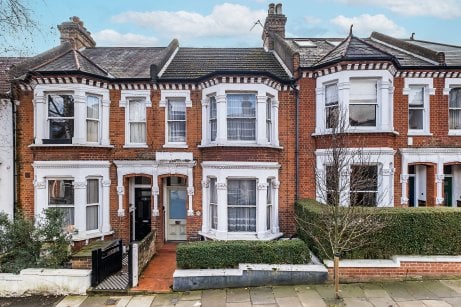
In London, the value is mainly in the land and the planning potential. A boarded-up terrace in an outer borough still has a buyer pool of developers and investors who will pay close to the value of the finished home, minus renovation costs. Anything advertised in London at a few thousand pounds is almost always a garage, a strip of land, a ground rent, a share in a company, or a scam.
What can you buy for under £10,000?
- Lock-up garages and parking spaces, sometimes, in outer boroughs or at auction
- Small parcels of land, such as verges, access strips or garden plots, often with little or no development potential
- Freehold ground rents on flats, which give a small income
- Shares in property through crowdfunding or fractional platforms. Check the regulation and risks
- Cheap homes outside London at auction, mainly in parts of the North of England, Wales and Scotland
Why homes become empty
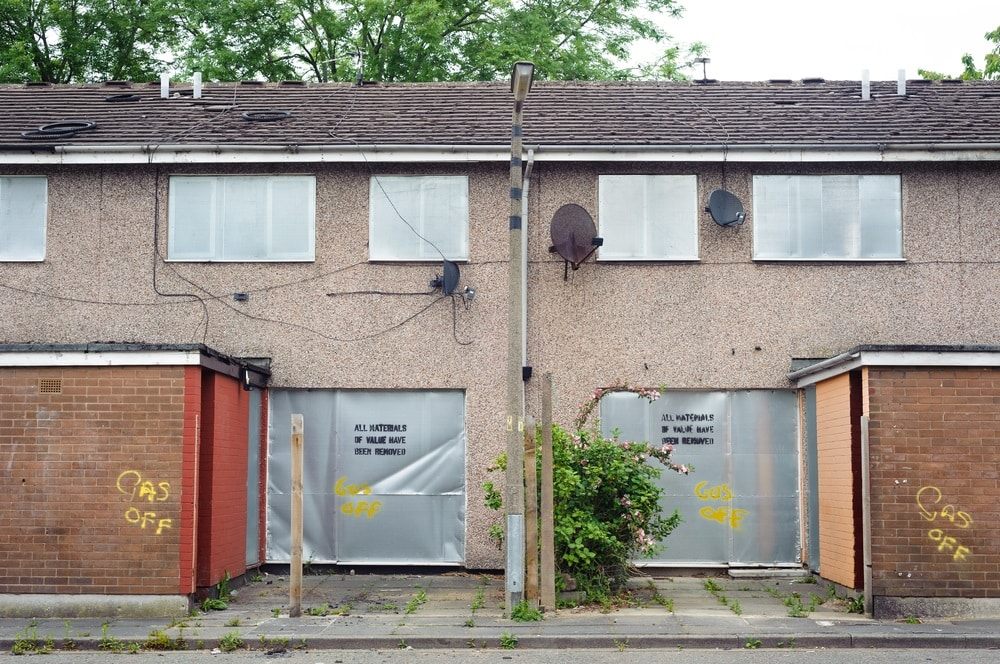
Long-term empty homes usually result from probate delays, owners in care, disputes between joint owners, or properties needing work the owner can't afford. Councils actively try to bring them back into use, and since April 2024 they can charge council tax premiums on homes left empty for over a year, rising sharply after five and ten years. That pressure brings some empty homes to market.
Realistic ways to buy an empty home
- Property auctions: empty and repossessed homes regularly sell at auction. Prices in London are still substantial, but you can find properties below market value that need work. Budget for a survey and legal pack review before bidding.
- Council empty homes schemes: some councils run grants, loans or lease schemes to bring empty homes back into use, and a few historically sold homes for nominal sums in exchange for renovation commitments. These were outside London and are rare today.
- Approaching owners directly: Land Registry searches let you identify owners of empty homes, and a well-written letter sometimes leads to an off-market sale.
- Working with an agent: agents who specialise in below-market and distressed property hear about opportunities before they reach the open market.
Avoiding scams
Be very wary of adverts or social media posts promising London houses for a few thousand pounds, "government repossessions" lists sold for a fee, or requests to pay a reservation fee for a property you can't view. Always check the title on Land Registry and never transfer money before a solicitor confirms the seller and the property.
Renovation reality
Empty homes often need new roofs, rewiring, plumbing, damp treatment and more. On the plus side, renovation of homes empty for two years or more can qualify for the reduced 5% VAT rate. Standard mortgages usually aren't available on uninhabitable homes, so buyers use cash, bridging finance or renovation mortgages.
How Fraser Bond helps
Fraser Bond helps buyers find below-market and empty properties in London and across the UK, including auction and off-market opportunities. We'll give you a realistic view of prices, help assess renovation costs and connect you with suitable finance.
Talk to us about buying an empty or below-market property →
Frequently asked questions
Can I buy a £1 house in London?
No. Historic £1 house schemes ran in cities such as Liverpool and Stoke-on-Trent, not London, and very few run today.
How do I find out who owns an empty house?
Search the HM Land Registry title register online for a small fee. If the property is unregistered, contact the council's empty homes officer.
Are auction properties cheaper?
Sometimes, but auctions are competitive and binding: you exchange contracts when the hammer falls. Do your due diligence first.