IB Schools UK International Admissions
A practical guide for overseas families choosing UK International Baccalaureate schools, including admissions, entry points, boarding, assessments and relocation planning
IB schools in the UK can be an attractive option for international families looking for a globally recognised education pathway. The International Baccalaureate is offered by schools across Britain, including independent day and boarding schools and international schools.
The IB Diploma Programme is particularly relevant to students aged around 16 to 19 and provides a broad academic programme that can support applications to universities in the UK and internationally.
For overseas families, choosing an IB school involves more than comparing academic results. Admissions requirements, entry points, subject availability, boarding, English-language expectations and UK relocation arrangements all need to be considered.
How many IB schools are there in the UK?
The International Baccalaureate's directory lists a substantial number of IB World Schools across the United Kingdom offering different IB programmes, including the Diploma Programme, Middle Years Programme and Primary Years Programme.
This gives international families a broad range of options, although the schools differ significantly in their admissions processes, fees, locations and boarding arrangements.
Families should therefore identify schools according to the student's age, intended entry point and preferred IB programme rather than simply searching for any school offering the IB.
What is the IB Diploma Programme?
The IB Diploma Programme is a two-year programme generally taken during the final years of secondary education.
Students study a combination of subjects across different academic areas while also completing the programme's core components.
The structure can appeal to internationally mobile families because it provides a consistent academic framework that is recognised by universities and institutions around the world.
However, not every UK IB school offers the same subjects or combination of subjects. Students should check that their preferred school offers the subjects needed for their intended university pathway.
Popular UK IB schools for international students
International families can consider a wide range of UK IB schools.
The IB's current directory includes schools such as:
-
Sevenoaks School
-
Wellington College
-
Cheltenham Ladies' College
-
Stonyhurst College
-
Warminster School
-
Worth School
-
Fettes College
-
Haileybury
-
Gresham's School
-
Felsted School
-
Ardingly College
-
Taunton School
-
UWC Atlantic
The directory confirms that these schools offer the IB Diploma Programme, although their admissions arrangements and boarding options differ.
Sevenoaks is particularly notable because all of its Sixth Form students take the IB rather than choosing between A Levels and the Diploma Programme. The school also actively welcomes international applicants and states that international candidates follow the same application deadlines and information requirements as UK applicants.
When can international students enter an IB school?
Entry points vary between schools.
International students may be able to enter:
-
Lower secondary years
-
Year 9
-
Year 10
-
Year 11
-
Year 12 or equivalent Sixth Form
-
The first year of the IB Diploma Programme
Some schools only offer the Diploma Programme at Sixth Form level, while others provide an IB pathway from younger age groups.
Parents should therefore establish whether the child can enter directly into the desired programme or needs to complete another curriculum before beginning the IB Diploma.
International IB admissions requirements
Each school sets its own admissions requirements.
International applicants may be asked for:
-
Current school reports
-
Academic transcripts
-
Examination results
-
Predicted grades
-
Teacher references
-
Entrance examinations
-
Interviews
-
English-language evidence
-
Passport information
-
Details of previous education
The school may also assess whether the student's existing curriculum provides sufficient preparation for the IB.
This is particularly important for students transferring from systems that differ significantly from the British curriculum.
IB admissions for Sixth Form students
For students entering the IB Diploma at 16+, academic performance is particularly important.
Schools may require strong results in subjects relevant to the student's intended IB choices.
A student planning to study higher-level Mathematics, Chemistry or Physics, for example, may need to demonstrate strong previous performance in those areas.
Students should also consider their intended university course before selecting their IB subjects.
English requirements for international applicants
The IB requires substantial reading, writing, research and discussion, making strong English proficiency important for students studying the programme in an English-speaking UK school.
Individual schools can set their own English-language requirements.
International applicants may therefore be asked to provide evidence of English ability or complete an English assessment as part of the admissions process.
Students should establish the school's expectations early, particularly if their previous education was not primarily delivered in English.
Boarding at UK IB schools
Boarding can make UK IB education more accessible to international students who do not have a permanent family home in Britain.
Some IB schools offer full or weekly boarding, while others operate primarily as day schools.
Parents should check:
-
Whether the school accepts international boarders
-
Which entry years have boarding places
-
Full or weekly boarding options
-
Weekend arrangements
-
Holiday accommodation
-
Guardian requirements
-
Airport and transport arrangements
The availability of boarding can significantly affect the suitability of a school for an overseas student.
Applying to an IB school from overseas
International families can apply to suitable UK schools from abroad, but the application process should be started early.
Sevenoaks states that international applications are not treated differently from UK applications and that the same deadlines and entry requirements apply. It also notes that boarding places are available at 13+ and 16+.
Other schools may have separate arrangements for international assessments, interviews or boarding applications.
Families should therefore communicate directly with each school's admissions department and confirm the requirements for their child's particular entry year.
IB schools and UK immigration requirements
International students who need immigration permission to study in the UK should consider this alongside the school application.
Where a child requires a Child Student visa, the chosen independent school must meet the relevant sponsorship requirements.
The school may need to issue a Confirmation of Acceptance for Studies before the student can make the visa application.
Families should also consider guardianship, accommodation and travel arrangements where applicable.
Immigration requirements can change, so overseas families should check the current government rules and the individual school's requirements before making travel arrangements.
What if the student is changing from A Levels or another curriculum?
Changing education systems before or during the sixth form years requires careful planning.
The IB Diploma has its own structure, assessment methods and subject requirements. A student moving from A Levels, American high school, a national curriculum or another international programme may therefore need to demonstrate that their previous studies provide suitable preparation.
The school will normally review the student's academic background before deciding whether the proposed entry is appropriate.
Families should provide complete academic records and explain the reason for the curriculum change.
Planning UK accommodation around an IB school
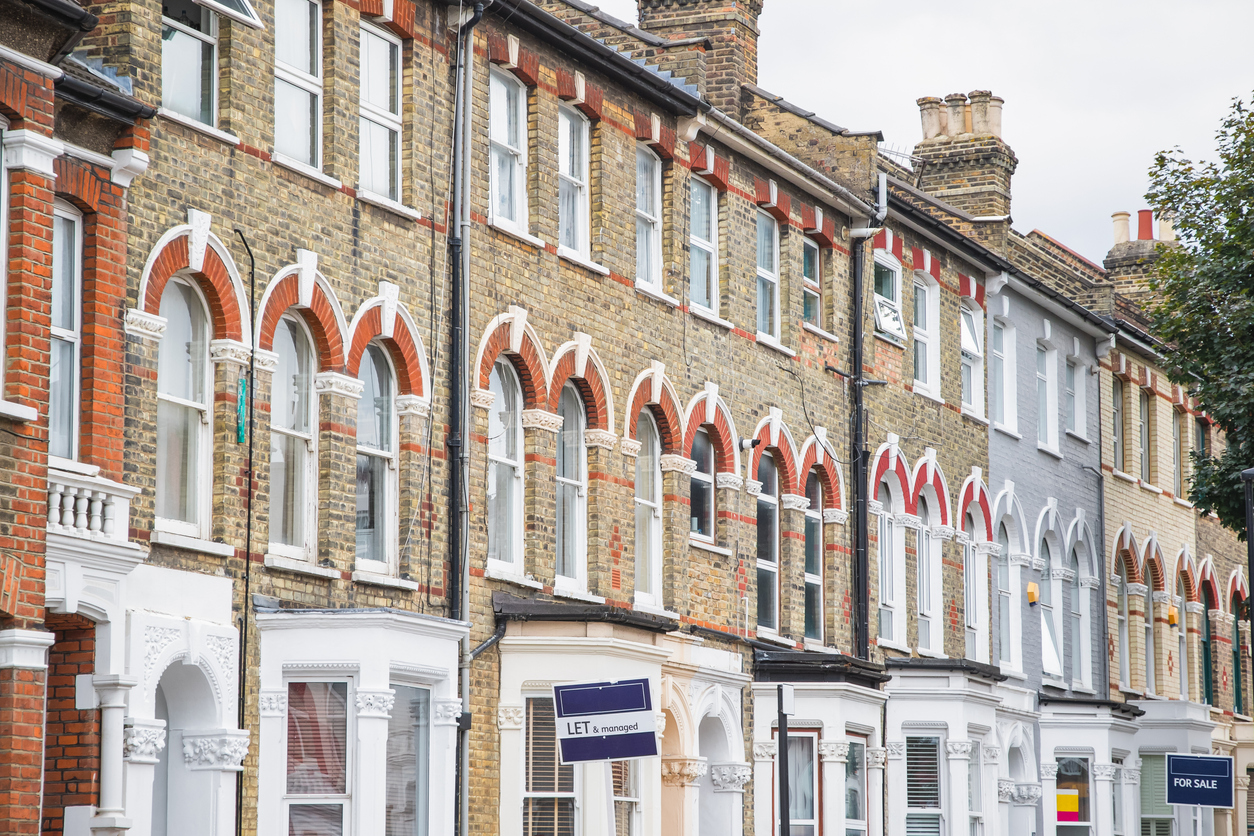
For international families, the education decision can influence where they choose to live in Britain.
A boarding student may only need a family property for holidays and weekends, depending on the school's arrangements. A day student, on the other hand, may require a home within practical travelling distance of the school.
Property considerations can include:
-
Distance from school
-
Transport connections
-
Rental availability
-
Property size
-
Furnished or unfurnished requirements
-
Length of stay
-
School holiday arrangements
-
Whether parents will live in the UK permanently
Families who have not yet secured a school place may prefer temporary accommodation before committing to a long-term property.
How Fraser Bond can support the relocation side
Fraser Bond does not provide IB tutoring, conduct school assessments or guarantee admission to an IB school.
However, international school admission is often part of a much larger relocation process, and Fraser Bond can support the family's property requirements.
Relevant services include:
-
UK residential property search
-
Lettings support
-
Relocation property planning
-
Property management
-
Maintenance coordination
-
Refurbishment and building works
-
Landlord support
-
Ongoing property services
This can help international families establish a practical UK base while their child's school and boarding arrangements are being finalised.
Start planning IB admissions early
IB schools in the UK vary considerably in their curriculum structure, admissions requirements, entry points and boarding arrangements.
International families should compare schools based on the student's academic profile, intended IB subjects, university ambitions, preferred location and accommodation requirements.
Starting early also provides more time to prepare academic documentation, complete assessments and organise immigration and relocation arrangements where necessary.
For families moving to Britain from overseas, coordinating IB admissions with UK property planning can make the transition more organised and reduce unnecessary complications.