I've Signed a Tenancy Agreement but Want to Cancel - Can I Change My Mind?
Understanding whether you can cancel a tenancy agreement after signing in the UK, what happens if you have not moved in, whether you can get your deposit back and how to end the agreement without paying unnecessary costs.
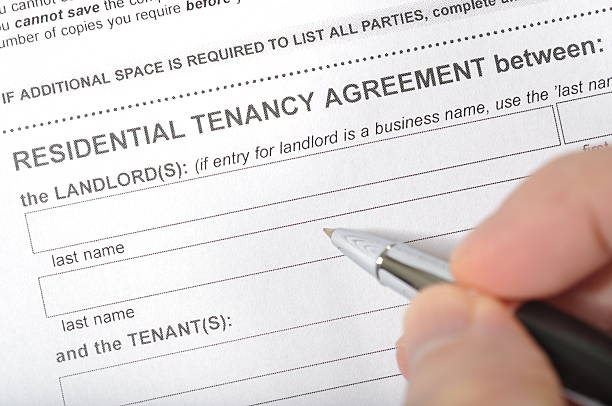
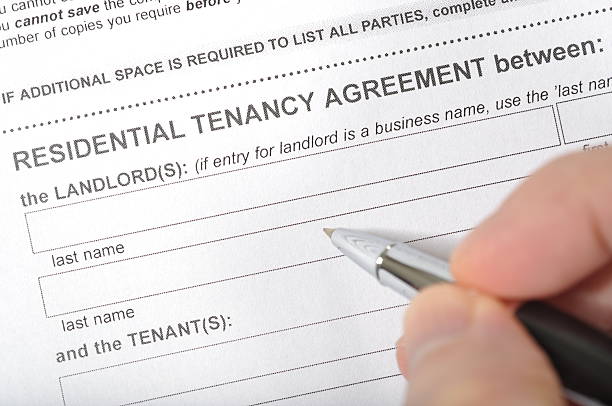
Signing a tenancy agreement is a legally significant commitment. However, circumstances can change, and you may decide that you no longer want to rent the property.
Perhaps you have found somewhere cheaper, your employment circumstances have changed, you are relocating, or you have simply changed your mind.
Yes, you can ask to cancel a tenancy agreement after signing, but you cannot automatically cancel it without consequences.
Your options depend on whether the tenancy has started, the type of agreement you signed, whether it contains a break clause and whether your landlord agrees to release you.
Fraser Bond provides residential lettings, property management and real estate consultancy services across London. Understanding tenancy agreements and cancellation arrangements is important for both landlords and prospective tenants.
Can I Cancel a Tenancy Agreement After Signing?
Generally, a signed tenancy agreement is legally binding.
Once you and your landlord have entered into a tenancy agreement, you cannot usually cancel it simply because you have changed your mind.
Unlike some consumer purchases, residential tenancy agreements do not generally have a 14-day cooling-off period.
However, you may be able to cancel or end the agreement through:
-
Mutual agreement with your landlord.
-
A break clause in your tenancy agreement.
-
An applicable legal right to give notice.
-
An agreed early termination arrangement.
-
A legal reason that makes the agreement unenforceable or gives you a right to end it.
The position depends on the tenancy type and the applicable law.
Can I Cancel a Tenancy Agreement Before Moving In?
Yes, you can request cancellation before moving into the property.
However, not having collected the keys or moved your belongings into the property does not automatically mean the tenancy agreement is invalid.
If you signed the agreement and the tenancy has an agreed start date, you may already have legal obligations.
For example, if you signed an agreement to rent a flat starting on 1 December but changed your mind before that date, the landlord may still have contractual rights.
Your best option is usually to contact the landlord or letting agent immediately and negotiate a written cancellation.
Can I Get My Deposit Back if I Cancel a Tenancy Agreement?
It depends on the payment and the circumstances.
There is an important distinction between a holding deposit and a tenancy deposit.
|
Payment |
What happens if you cancel? |
|---|---|
|
Holding deposit before signing |
You may lose it if you simply change your mind without a qualifying reason |
|
Tenancy deposit after signing |
Normally refundable subject to lawful deductions and the tenancy arrangements |
|
Rent paid in advance |
May be recoverable depending on the agreed cancellation date and contractual position |
|
Reservation payment |
Depends on what the payment legally represents and the applicable rules |
If you have already signed the tenancy agreement, your holding deposit should normally have been returned or transferred towards your tenancy deposit or rent with your agreement.
A landlord cannot automatically keep your entire tenancy deposit simply because you ask to end the agreement.
What Happens if I Cancel After Signing but Before the Tenancy Starts?
This is an important situation.
If you signed the tenancy agreement but have not yet moved in, the landlord may still expect you to fulfil the agreement.
Depending on the contract, you could remain responsible for rent from the agreed tenancy start date.
For example:
-
You sign a tenancy agreement on 20 November.
-
The tenancy begins on 1 December.
-
You change your mind on 25 November.
-
You ask the landlord to cancel the agreement.
The landlord does not automatically have to agree.
However, they may be willing to release you if another suitable tenant can be found.
How to Cancel a Tenancy Agreement After Signing
If you no longer want the property, follow these steps.
Step 1 - Read Your Tenancy Agreement
Check the sections dealing with:
-
Cancellation.
-
Early termination.
-
Break clauses.
-
Notice requirements.
-
Rent payments.
-
Deposit arrangements.
-
Replacement tenants.
Step 2 - Contact the Landlord or Letting Agent
Explain that your circumstances have changed and that you want to cancel the tenancy.
Contact them as soon as possible because this may reduce potential losses.
Step 3 - Request Mutual Cancellation
Ask the landlord whether they are willing to release you from the agreement before the tenancy begins.
Step 4 - Offer to Help Find a Replacement Tenant
If the landlord is willing to consider a replacement tenant, you may be able to help identify someone who meets the referencing requirements.
The landlord must agree to the arrangement.
Step 5 - Negotiate Any Reasonable Costs
Depending on the circumstances, you may be asked to cover certain reasonable costs associated with ending the agreement early.
Ask for an itemised explanation rather than agreeing to an unspecified cancellation charge.
Step 6 - Get Written Confirmation
Do not rely on a verbal agreement.
Ask the landlord or letting agent to confirm in writing that:
-
The tenancy has been cancelled.
-
You are released from future rent obligations.
-
Any deposit will be returned.
-
Any agreed cancellation costs have been settled.
-
No further claims will be made under the tenancy agreement.
Can a Landlord Refuse to Cancel a Signed Tenancy Agreement?
Yes.
If you have entered into a legally binding tenancy agreement, the landlord is generally entitled to insist that you comply with its terms.
However, you can negotiate an early release.
A landlord may agree to cancel if:
-
You provide sufficient notice.
-
A replacement tenant is available.
-
The property can be re-let quickly.
-
You agree to cover reasonable permitted costs.
-
The landlord no longer wishes to proceed.
The landlord does not have to agree simply because you have not moved in.
Can a Landlord Charge You for Cancelling a Tenancy?
A landlord may be entitled to recover certain permitted costs when a tenant asks to end a tenancy early.
Under the Tenant Fees Act 2019 in England, an early termination payment can generally cover the landlord's actual loss or reasonable costs incurred in agreeing to end the tenancy.
This may include rent up to the agreed termination date or reasonable costs of finding a replacement tenant.
The landlord should not use cancellation as an opportunity to impose an arbitrary penalty.
What If My Tenancy Agreement Has a Break Clause?
A break clause allows a tenant or landlord to end a tenancy before a specified date, subject to the conditions in the agreement and applicable law.
Check:
-
When the break clause can be used.
-
How much notice is required.
-
Whether there are restrictions on using it.
-
How notice must be delivered.
-
Whether any conditions must be satisfied.
If you have a valid right to end the tenancy under the agreement, you should follow the break clause carefully.
Important for England: Since 1 May 2026, most private assured tenancies have become periodic tenancies under the Renters' Rights Act 2025. New private assured tenancies generally cannot be fixed-term agreements. Your options may therefore depend on whether your agreement was entered into before or after that date.
What If I Signed a Tenancy Agreement but Have Not Paid the Deposit?
Not paying the tenancy deposit does not automatically invalidate a signed agreement.
If a legally binding tenancy has been created, your contractual obligations may still apply.
However, if you only completed a holding deposit arrangement and never agreed to the tenancy itself, the legal position may be different.
Check whether the agreement was actually signed and whether all the necessary contractual requirements were satisfied.
Can I Cancel Because I Have Found a Cheaper Property?
You can request cancellation, but finding a cheaper property does not normally give you an automatic legal right to withdraw from an agreement you have signed.
The landlord may agree to release you, particularly if another tenant can be found.
You should negotiate before committing to another tenancy to avoid being responsible for two sets of rent payments.
Can I Cancel Because the Property Is Not as Advertised?
Potentially, yes.
If the landlord or letting agent misrepresented important aspects of the property, you may have grounds to challenge the agreement.
Examples include:
-
The property has substantially different facilities from those advertised.
-
The advertised number of bedrooms is incorrect.
-
Important amenities were falsely represented.
-
The landlord concealed significant defects.
-
The property is materially different from what you agreed to rent.
The legal remedy depends on the nature and seriousness of the misrepresentation.
Keep copies of the original advertisement, photographs, messages and tenancy agreement.
What If the Landlord Has Not Provided the Property?
If the landlord cannot provide access to the property on the agreed start date, they may be breaching the tenancy agreement.
You may be entitled to seek compensation for reasonable losses or request cancellation and repayment of money paid.
The circumstances matter, particularly if the property is unavailable because the previous tenant has not left or essential repairs have not been completed.
Seek housing advice before agreeing to any changes.
Can I Cancel a Joint Tenancy Agreement?
Joint tenancy agreements involve more than one tenant.
If several people have signed the same agreement, one person generally cannot cancel the entire tenancy independently.
The landlord and other tenants may need to agree to a change or replacement arrangement.
If you want to withdraw from a joint tenancy, discuss whether another tenant can take over your share and obtain written confirmation of any release from liability.
Example Letter to Cancel a Tenancy Agreement After Signing
You can use the following letter to contact your landlord or letting agent.
Dear [Landlord/Letting Agent],
I am writing regarding the tenancy agreement I recently signed for [property address], with the agreed tenancy start date of [date].
Unfortunately, due to a change in my personal circumstances, I am no longer able to proceed with the tenancy.
I understand that the agreement has been signed and would therefore like to request your agreement to cancel it by mutual consent before the tenancy proceeds.
I would appreciate it if you could consider releasing me from the agreement, particularly if a replacement tenant can be found before the scheduled start date.
Please confirm whether you are willing to agree to the cancellation and explain any reasonable costs that may apply.
I would also appreciate written confirmation of the position regarding any deposit or rent payments already made and confirmation that I will have no further rental obligations once the cancellation is agreed.
Thank you for your understanding. I look forward to your response.
Kind regards,
[Your Name]
What Should You Do if Your Landlord Refuses to Cancel?
If the landlord refuses your request, do not simply stop communicating or assume that leaving the property means your obligations have ended.
Instead:
-
Review the tenancy agreement.
-
Check whether you have a break clause or another termination right.
-
Ask whether a replacement tenant can be accepted.
-
Request a written breakdown of any proposed charges.
-
Consider whether the landlord has breached the agreement.
-
Obtain advice from Shelter or Citizens Advice.
If you are being asked to pay an excessive or unlawful fee, seek advice before making payment.
How Fraser Bond Supports Tenants and Landlords
Fraser Bond provides residential lettings, property management, property sales, valuations and real estate consultancy services across London.
Tenancy cancellations can affect both tenants and landlords, particularly where properties have been reserved, marketing has stopped or alternative accommodation needs to be arranged.
Clear communication and properly documented agreements can help prevent disputes and financial misunderstandings.
Fraser Bond provides property consultancy rather than legal representation in tenancy disputes.
Understanding Your Rights After Signing a Tenancy Agreement
Signing a tenancy agreement usually creates a legally binding commitment, even if you have not moved into the property.
However, you may still be able to negotiate cancellation, use an applicable termination provision or agree an early release with your landlord.
Act quickly, review your agreement and make sure every cancellation arrangement is confirmed in writing.
For professional assistance with London residential lettings, property searches, tenancy arrangements and property management, visit FraserBond.com to explore expert property advisory services.