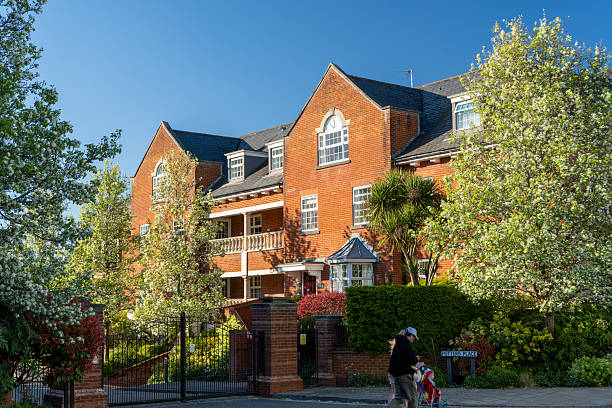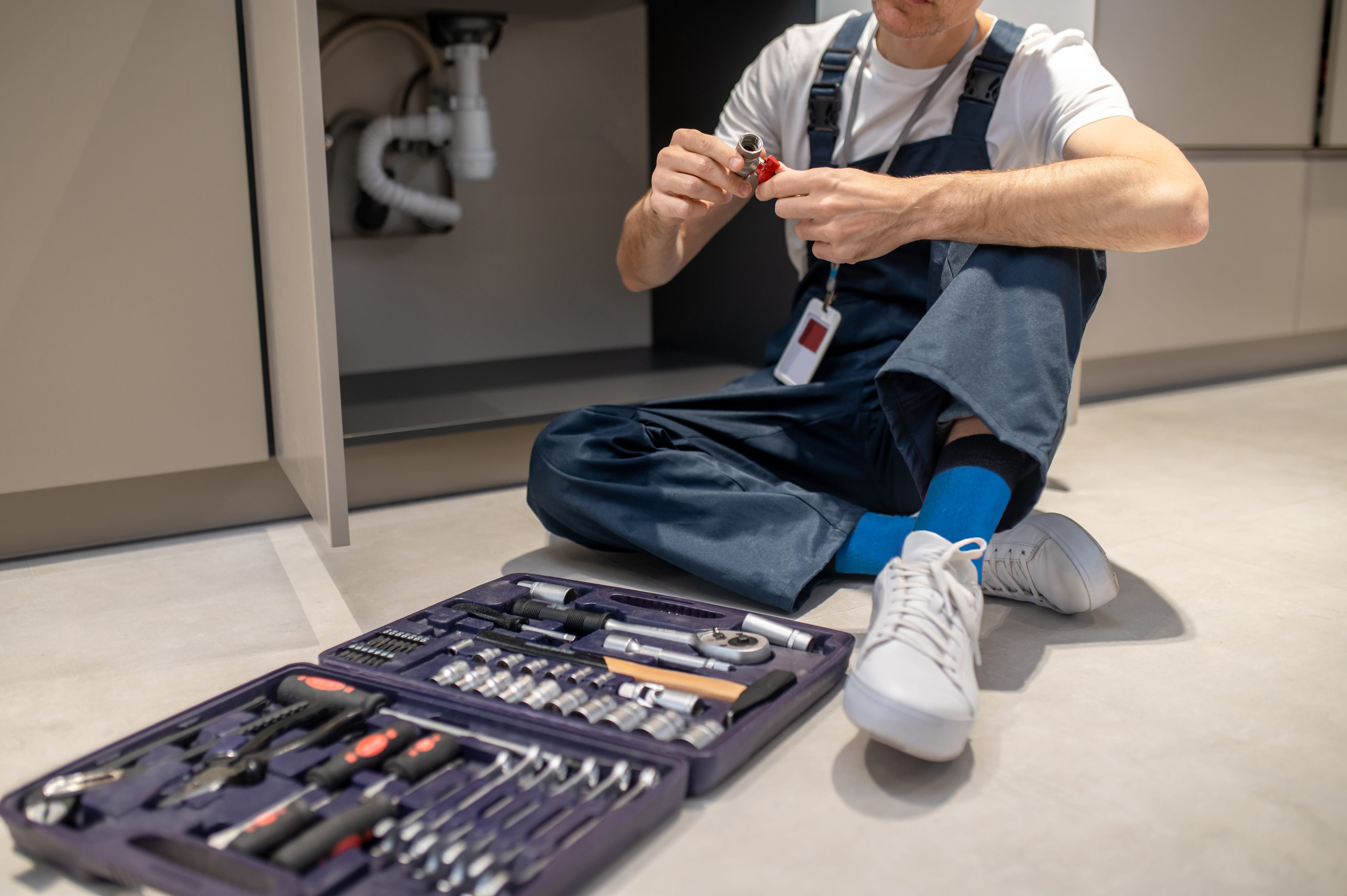
Learning Disability Residential Care Property - UK Property Guide
Finding and Preparing Suitable Property for Learning Disability Residential Care
A learning disability residential care property needs to provide more than bedrooms and communal space. It must offer a safe, comfortable and appropriately designed home where residents can receive the level of personal care and support they require while maintaining privacy, dignity, independence and access to the local community.
For landlords, investors, care providers and property developers, choosing the right building is therefore an important part of establishing a successful residential care service. Property size, location, accessibility, layout, planning considerations, condition and the intended care model all need to be considered before a property is acquired or converted.
What Makes a Good Learning Disability Residential Care Property?
The right property will depend on the needs of the people who will live there and the type of residential care service being provided. However, several characteristics are particularly important.
A suitable property should generally provide:
-
Comfortable individual bedrooms
-
Appropriate communal living and dining areas
-
Adequate bathroom and toilet facilities
-
Safe circulation areas
-
Suitable kitchen and storage facilities
-
Good natural light and ventilation
-
Outdoor space where practical
-
Appropriate accessibility features
-
Sufficient space for staff to provide support
-
A layout that feels like a home rather than an institution
Properties should also have enough space to accommodate residents without creating an overcrowded environment.
For services supporting autistic people and people with learning disabilities, CQC considers factors including the size, design and location of residential settings, with an emphasis on dignity, privacy, person-centred care and ordinary residential environments.
Choosing the Right Location
Location can have a major effect on the quality of life residents experience.
A learning disability residential care property should ideally be close enough to everyday community facilities, including shops, parks, healthcare services, public transport and leisure facilities. The exact requirements will depend on the needs and independence levels of residents.
A property in a normal residential neighbourhood can be particularly suitable where it allows residents to participate in community life rather than being isolated from surrounding amenities.
The location should also be considered in relation to family members and existing support networks. This can be particularly important when residents are moving into care from another area.
Property Size and Layout
Large properties can appear attractive because they offer plenty of rooms, but size alone does not make a property suitable for residential care.
The internal layout should allow residents to have their own private space while also providing appropriate communal areas. Bedrooms should offer dignity and personal privacy, while shared spaces should encourage social interaction where appropriate.
CQC guidance emphasises person-centred residential environments and states that new services should not be developed as campus-style or congregate settings simply because a larger property is available.
A conventional house, converted property or purpose-designed building may therefore be considered depending on the proposed service model and local requirements.
Accessibility and Adaptations
Accessibility should be assessed before committing to a property.
Depending on residents' needs, adaptations may include:
-
Level access entrances
-
Wider doorways
-
Accessible bathrooms
-
Grab rails
-
Suitable shower facilities
-
Improved lighting
-
Handrails
-
Accessible outdoor areas
-
Appropriate fire safety arrangements
-
Reduced trip hazards
-
Adapted kitchens and living spaces
The property should also allow reasonable adaptations to be made without creating unnecessary structural or financial complications.
For supported accommodation, government guidance highlights accessibility, safe accommodation, privacy, appropriate living space and the ability to make adaptations according to residents' needs.
Condition and Building Safety
A care provider taking on a property needs confidence that the building can safely support residents and staff.
Before purchasing or leasing a property, it is sensible to investigate:
-
Roof and structural condition
-
Damp and mould
-
Electrical systems
-
Plumbing and drainage
-
Heating
-
Windows and doors
-
Fire safety
-
Asbestos where relevant
-
Gas safety
-
Accessibility
-
General maintenance requirements
Older London and UK properties can require substantial refurbishment before they are appropriate for residential care. A professional survey can help identify problems that may not be obvious during a standard viewing.
Understanding these costs before signing a lease or completing a purchase can prevent major budget problems later.
Planning and Change of Use
Planning considerations should be investigated at an early stage.
The intended use of a property, the number of residents, the nature of care provided and the existing planning status can all affect what permissions or approvals may be required.
Care providers should therefore avoid assuming that an ordinary residential property can automatically be converted into a residential care service.
The property should be assessed alongside the proposed operating model, local planning requirements and any building works required.
CQC Considerations for Care Providers
Residential care homes for adults in England generally require registration with the Care Quality Commission where regulated activities are being provided.
For services supporting people with learning disabilities, CQC applies its Right support, right care, right culture guidance when assessing applications and services. This includes consideration of whether the service promotes dignity, privacy, independence and person-centred care.
Property should therefore be considered as part of the wider care-service model rather than as a standalone real estate investment.
A provider considering a new location should assess the property, proposed resident profile, staffing arrangements, care model and local need together.
Buying a Property for Learning Disability Residential Care
Investors and care providers looking to purchase a property should establish the intended use before making an offer.
Important questions include:
-
How many residents will the property accommodate?
-
Does the existing layout support the proposed care model?
-
Will accessibility works be required?
-
Is there sufficient communal space?
-
What refurbishment is needed?
-
Are there planning restrictions?
-
Are there neighbouring properties or uses that could create problems?
-
Can the property support appropriate staff facilities?
-
What are the likely ongoing maintenance costs?
A property that appears inexpensive may become considerably more expensive after refurbishment, accessibility improvements and compliance-related works are taken into account.
Leasing Property to a Learning Disability Care Provider
Landlords who do not want to operate a care service themselves may consider leasing suitable property to an established provider.
This can create a different set of considerations from an ordinary residential tenancy. The landlord should understand exactly how the property will be used, who will occupy it, who will be responsible for repairs and adaptations, and which party will handle regulatory and operational responsibilities.
Due diligence on the proposed care provider is also important. This can include reviewing its experience, financial position, operating model and relevant regulatory status.
A specialist property consultant can help landlords assess the commercial and practical aspects of the proposed arrangement before entering into a long-term agreement.
Refurbishing a Property for Learning Disability Care
Some properties can become suitable through carefully planned refurbishment.
Works may include:
-
Bathroom adaptations
-
Kitchen improvements
-
Accessibility modifications
-
Fire safety upgrades
-
New flooring
-
Electrical upgrades
-
Heating improvements
-
Internal reconfiguration
-
External access improvements
-
Garden improvements
-
General decoration and maintenance
The objective should not simply be to maximise the number of bedrooms. The finished property needs to provide a comfortable and functional living environment appropriate to the residents it is intended to support.
Finding Learning Disability Residential Care Property
Finding suitable property can be difficult when a provider has specific requirements relating to location, resident numbers, accessibility, planning and refurbishment.
Fraser Bond can assist landlords, investors and care providers with property sourcing, acquisition, leasing, refurbishment coordination and wider property management requirements.
For care providers looking for a suitable building, the process can include identifying properties, assessing their suitability, reviewing potential refurbishment requirements and coordinating relevant property professionals.
For landlords and investors, Fraser Bond can also provide guidance on preparing properties for specialist residential use and managing the wider property requirements.
Working With Fraser Bond
A learning disability residential care property requires careful consideration before acquisition, leasing or conversion.
Fraser Bond provides property consultancy and related services covering property sourcing, sales, lettings, property management, refurbishment, building works and contractor coordination. This can help clients approach specialist property requirements as part of a wider strategy rather than treating the building as an ordinary residential property.
Whether you are a care provider searching for a suitable property or a landlord considering leasing a building to a learning disability care provider, professional property advice can help identify practical issues before they become expensive problems.