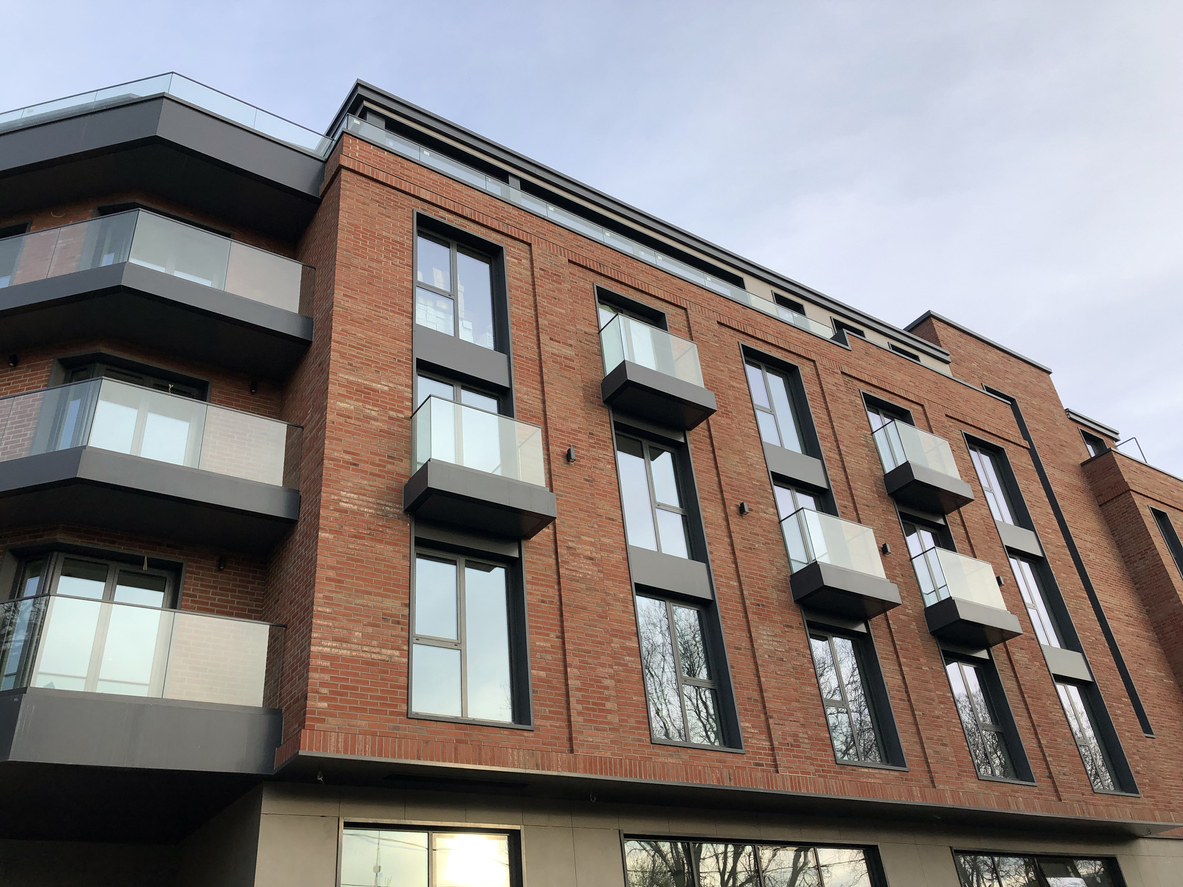
Lease Property to Supported Accommodation Provider - A Guide for UK Landlords
Learn what landlords should consider when leasing property to a supported accommodation provider, including Ofsted requirements, property suitability, planning, lease terms, refurbishment and ongoing management.
Leasing property to a supported accommodation provider can give UK landlords an opportunity to work with organisations providing accommodation and support to young people.
However, supported accommodation is a specialist use and should not be treated in the same way as an ordinary residential letting. The provider's regulatory position, intended use, property layout, location, planning requirements, lease obligations and maintenance responsibilities all need to be considered before an agreement is signed.
In England, supported accommodation for looked-after children and care leavers aged 16 and 17 is regulated by Ofsted. Providers must register before operating, and the registration process requires information about the accommodation, premises and intended service.
What Is Supported Accommodation?
Supported accommodation provides a place to live alongside support designed to help eligible young people develop independence and prepare for adult life.
For Ofsted-regulated supported accommodation, the service relates to children aged 16 or 17 who have been placed by a local authority under the relevant provisions of the Children Act 1989.
This is different from a children's home.
A children's home provides care and accommodation, while supported accommodation is designed around accommodation and support for eligible young people who are preparing for greater independence.
For landlords, understanding this distinction is important because the provider's operational model will influence what type of property it needs.
Why Supported Accommodation Providers Rent Property
Providers may lease properties rather than purchase them because renting can allow them to expand their accommodation portfolio without acquiring every building themselves.
Depending on the provider and category of accommodation, they may look for:
-
Houses with several bedrooms
-
Shared accommodation
-
Single-occupancy units
-
Self-contained accommodation
-
Flats
-
Supported lodgings
-
Properties close to public transport
-
Homes near education and employment opportunities
-
Properties requiring refurbishment
-
Existing accommodation suitable for adaptation
Ofsted recognises different categories of supported accommodation, including single occupancy, shared accommodation and private residential accommodation such as supported lodgings.
The exact property requirements should therefore be discussed with the provider before a landlord assumes that a particular house is suitable.
Can an Ordinary House Be Leased to a Supported Accommodation Provider?
Potentially, yes.
A conventional house may be suitable for supported accommodation, depending on the provider's model and the needs of the young people who will live there.
The operator may assess:
-
Number of bedrooms
-
Bedroom sizes
-
Communal areas
-
Kitchen facilities
-
Bathrooms
-
Outdoor space
-
Security
-
Privacy
-
Accessibility
-
Fire safety
-
General condition
-
Location
-
Transport links
-
Local services
Ofsted requires supported accommodation providers to demonstrate that their premises are fit for purpose and suitable for the children they intend to accommodate. Providers must also assess and manage risks associated with their buildings.
A landlord should therefore allow the operator to carry out an appropriate property assessment before agreeing to a long-term lease.
Check the Provider's Ofsted Registration
Before signing a lease, landlords should establish whether the prospective tenant is already registered with Ofsted.
Supported accommodation providers must register with Ofsted before operating, and operating without the appropriate registration is an offence.
Useful checks include:
-
Legal name of the provider
-
Companies House details
-
Ofsted registration status
-
Unique reference number
-
Registered service manager
-
Registered categories
-
Existing premises
-
Inspection history
-
Management experience
-
Financial position
-
References
-
Insurance arrangements
A landlord should also establish whether the provider intends to add the property to an existing supported accommodation service or is establishing a new service.
Registration Does Not Mean Every Property Is Automatically Covered
This is an important distinction for landlords.
A provider may already be registered with Ofsted, but that does not mean every property it leases can automatically be used for supported accommodation.
Ofsted's current registration policy requires providers to provide information about the premises and their categories of accommodation. Providers also have to tell Ofsted about changes to premises used by their service.
When new premises are added, the provider must provide Ofsted with information about the address, accommodation category and number of children accommodated. Ofsted's current guidance also requires notification when premises are first used or cease to be used.
For landlords, the practical point is simple: do not assume that an operator's existing registration automatically authorises use of your property.
Planning Should Be Checked Before Leasing
Planning is another area that should be considered before the lease is completed.
Ofsted's current application guidance requires supported accommodation providers to check with the relevant local authority whether planning permission is required for the proposed premises and, where necessary, obtain the appropriate approval.
This means a landlord should establish:
-
The property's existing planning use
-
The provider's proposed use
-
Whether planning permission is required
-
Whether any planning conditions apply
-
Whether alterations require permission
-
Whether building work is proposed
-
Whether the local authority has raised concerns
Planning and Ofsted registration are separate matters. Obtaining one does not automatically guarantee the other.
Where the position is unclear, the landlord and operator should obtain advice from an appropriate planning professional.
Location Can Matter as Much as the Building
Supported accommodation providers may have specific location requirements because the young people they support need access to services and opportunities.
A provider may consider:
-
Schools and colleges
-
Employment opportunities
-
Public transport
-
Healthcare
-
Shops
-
Community facilities
-
Recreation
-
Local authority services
-
Safeguarding considerations
-
Environmental risks
-
Distance from other supported accommodation
Ofsted requires providers to carry out location assessments for their premises as part of the registration process.
A landlord therefore should not assume that a suitable house in one location will automatically meet an operator's requirements elsewhere.
What Lease Structure Should You Offer?
Supported accommodation providers may want sufficient security of tenure to justify investment in the property.
A lease could address:
-
Lease length
-
Rent
-
Rent review provisions
-
Break clauses
-
Renewal options
-
Permitted use
-
Alterations
-
Assignment
-
Subletting
-
Repairs
-
Insurance
-
Compliance obligations
-
Inspection rights
-
Reinstatement
-
Termination
The correct structure will depend on the property and the commercial relationship.
A specialist solicitor should prepare or review the agreement, particularly where the property is being used for a regulated service.
Agree Who Pays for Refurbishment
A supported accommodation provider may want to modify a property before residents move in.
Potential works could include:
-
Fire safety improvements
-
Electrical upgrades
-
Bathroom improvements
-
Kitchen upgrades
-
Internal redecoration
-
Flooring
-
Security improvements
-
Locks and doors
-
Garden works
-
Accessibility improvements
-
General repairs
The lease should clearly state who is responsible for funding and completing the work.
If the provider is investing significant money into the property, the parties should also establish what happens to those improvements when the lease ends.
Consider Rent Against the Overall Lease Terms
The headline rent is only one part of the commercial arrangement.
Landlords should consider:
-
Local rental values
-
Property size
-
Property condition
-
Lease length
-
Maintenance obligations
-
Insurance responsibilities
-
Refurbishment contributions
-
Rent reviews
-
Break clauses
-
Operator covenant strength
-
Expected management requirements
A longer lease may provide greater certainty but can also reduce the landlord's flexibility.
The appropriate rent and lease structure should therefore reflect the complete arrangement rather than simply comparing the property with ordinary residential lettings.
Maintenance Responsibilities Should Be Clear
A property used as supported accommodation may require a clear maintenance regime.
The lease should specify responsibility for:
-
Heating
-
Plumbing
-
Electrical systems
-
Appliances
-
Gardens
-
Internal decoration
-
External repairs
-
Roof and structural repairs
-
Security systems
-
Fire safety equipment
-
Pest control
Landlords should also consider how repairs will be reported and how quickly urgent issues must be addressed.
Fraser Bond can assist with property maintenance, repairs, refurbishment, building works and contractor coordination where these services are required.
Insurance and Compliance
The provider must have appropriate insurance arrangements before its supported accommodation service starts operating. Ofsted's current application guidance specifically requires evidence relating to insurance covering matters such as injury, public liability, damage or other loss.
The landlord should separately review the property's buildings insurance and confirm that the intended use is properly disclosed to the insurer.
The lease should also clearly allocate responsibility for relevant compliance obligations.
What Happens If the Provider Stops Using the Property?
This is worth addressing before signing a long-term agreement.
Ofsted requires registered supported accommodation providers to notify it when premises stop being used and when new premises are added.
The lease should therefore establish what happens if the provider:
-
Stops using the property
-
Loses its registration
-
Changes its service model
-
Stops paying rent
-
Moves residents elsewhere
-
Changes legal entity
-
Terminates its business
-
No longer requires the premises
A landlord should understand the consequences before committing to a specialist lease.
Check the Operator's Financial Position
A regulated status does not remove the need for normal tenant due diligence.
Before leasing the property, consider reviewing:
-
Company accounts
-
Companies House filings
-
Trading history
-
Existing property portfolio
-
References
-
Management experience
-
Funding arrangements
-
Insurance
-
Proposed staffing arrangements
-
Existing lease commitments
If the provider is newly established, a landlord may also want additional security depending on the lease structure, such as a guarantor or other appropriate commercial protections.
The specific arrangement should be reviewed by a solicitor.
Consider the Property's Future Use
Landlords should also think beyond the first tenant.
If significant works are carried out for supported accommodation, consider whether the property can later return to another use.
Ask:
-
Will alterations affect the property's resale value?
-
Can specialist installations be removed?
-
Will reinstatement be required?
-
Could another supported accommodation provider use the property?
-
Could the property return to conventional residential use?
-
Are planning issues likely to affect a future change of use?
This can be particularly important for investors funding substantial refurbishment.
Fraser Bond Support for Supported Accommodation Properties
Fraser Bond can support landlords, investors and property owners exploring opportunities to lease property to supported accommodation providers.
Depending on the project, services can include:
-
Property sourcing
-
Property acquisition
-
Investment advisory
-
Property lettings
-
Property management
-
Development consultancy
-
Refurbishment planning
-
Building works
-
Contractor coordination
-
Property repairs
-
Maintenance
-
Compliance support
-
Property upgrades
For landlords preparing a property for a supported accommodation provider, Fraser Bond can help coordinate the wider property requirements alongside the specialist regulatory, legal and planning advice the operator may need.
A Practical Process for Landlords
If you are considering leasing property to a supported accommodation provider, a sensible process is to:
-
Establish exactly what type of supported accommodation is proposed.
-
Verify the provider's legal identity and Ofsted registration.
-
Ask the provider how the property will be added to its registered service.
-
Assess the property's physical suitability.
-
Review the planning position.
-
Identify required refurbishment or adaptation.
-
Agree who will fund and manage the works.
-
Negotiate rent and lease length.
-
Define repair, insurance and compliance responsibilities.
-
Have the lease reviewed by a specialist solicitor.
This provides a clearer basis for deciding whether the proposed arrangement is commercially suitable.
Questions to Ask a Supported Accommodation Provider
Before agreeing to lease your property, consider asking:
-
What category of supported accommodation do you provide?
-
Are you currently registered with Ofsted?
-
What is your Ofsted registration number?
-
How many properties do you currently operate?
-
How many young people will live at the property?
-
Will the accommodation be shared or single occupancy?
-
Has the property been assessed for suitability?
-
Has the planning position been checked?
-
What alterations are required?
-
Who will pay for refurbishment?
-
How long of a lease do you require?
-
Who will handle repairs?
-
What insurance will you maintain?
-
How will the property be added to your Ofsted service?
-
What happens if you stop using the property?
These questions can help a landlord understand the provider's operational requirements before agreeing to the lease.
Lease Property to Supported Accommodation Provider With Fraser Bond
Leasing property to a supported accommodation provider can be a specialist property strategy for landlords with suitable houses, flats and other residential buildings.
However, the arrangement should be assessed on more than the proposed rent.
The provider's Ofsted status, accommodation category, property suitability, planning position, location, refurbishment requirements, lease structure and ongoing responsibilities should all be considered.
Current Ofsted guidance requires supported accommodation providers to demonstrate that their premises are fit for purpose, assess location suitability and address planning requirements where necessary. Providers must also keep Ofsted informed about premises used by their service.
Fraser Bond can support landlords and investors with property sourcing, lettings, investment advisory, property management, refurbishment, building works, contractor coordination, repairs, maintenance and development consultancy.
If you are considering a lease property to supported accommodation provider arrangement, Fraser Bond can help you assess the property's requirements and prepare it for a specialist occupier.