Landlord for Residential Family Centre: Letting Property to Ofsted Providers
A practical guide for landlords, investors and property owners considering letting suitable premises to residential family centre operators across London and the UK
Becoming a landlord for a residential family centre can create a specialist property opportunity for owners with suitable residential or care-related premises. However, this type of letting requires more consideration than a conventional residential tenancy because the property may be used to accommodate parents and children while parenting capacity is assessed and families receive professional support.
In England, a residential family centre is a regulated setting where accommodation is provided for children and their parents, the parents' capacity to meet their children's needs and safeguard their welfare is monitored or assessed, and parents receive advice, guidance or counselling where necessary. Providers must register with Ofsted before operating.
For landlords, understanding the proposed use, planning position, property condition and lease requirements is essential before agreeing to let a property to a residential family centre provider.
What does a landlord for a residential family centre provide?
A landlord for a residential family centre provides property that can accommodate the operator's proposed service.
The property could be:
-
A large detached house
-
A former care home
-
A former residential family centre
-
A specialist residential property
-
A converted institutional building
-
A purpose-designed family assessment property
-
A substantial property suitable for refurbishment
The landlord normally provides the premises under a lease, while the operator is responsible for establishing and running the regulated service.
The exact responsibilities will depend on the lease. Repair obligations, alterations, compliance works, insurance and maintenance should therefore be agreed clearly before occupation.
Why landlords consider residential family centre tenants
Residential family centre operators can require properties with characteristics that are different from those sought by ordinary residential tenants.
A suitable building may need several bedrooms, communal living space, kitchen facilities, children's areas, private assessment rooms and staff accommodation.
For a landlord, this can create an opportunity to let a larger property for a specialist use rather than competing solely in the conventional residential rental market.
However, specialist use should be assessed carefully. A property being large enough does not automatically make it suitable for a residential family centre.
What type of property can be suitable?
Potential properties for residential family centre operators include large houses and former care-related premises with enough space to create a practical residential environment.
Useful characteristics may include:
-
Multiple bedrooms
-
Several bathrooms
-
Large communal areas
-
Kitchen and dining facilities
-
Private meeting or assessment rooms
-
Staff office space
-
Secure storage
-
Children's play areas
-
Outdoor space
-
Good accessibility
-
Parking where appropriate
-
Strong transport links
Existing care properties can be particularly interesting because they may already have multiple bedrooms, communal facilities and staff areas.
Nevertheless, landlords should not assume that a former care home or former assessment centre can automatically be used for a new residential family centre. The operator's proposed use and regulatory requirements still need to be assessed.
Property condition matters
Ofsted's registration guidance requires applicants to demonstrate that proposed premises are fit for purpose and suitable for the families they intend to accommodate. The applicant must also assess and manage risks associated with the building through health and safety and risk management arrangements.
For landlords, this means the condition of the property can have a direct impact on whether an operator can progress with the premises.
Before agreeing a lease, it can be sensible to review:
-
Roof and external structure
-
Damp and mould
-
Electrical installations
-
Plumbing
-
Heating
-
Windows and doors
-
Bathrooms
-
Kitchen facilities
-
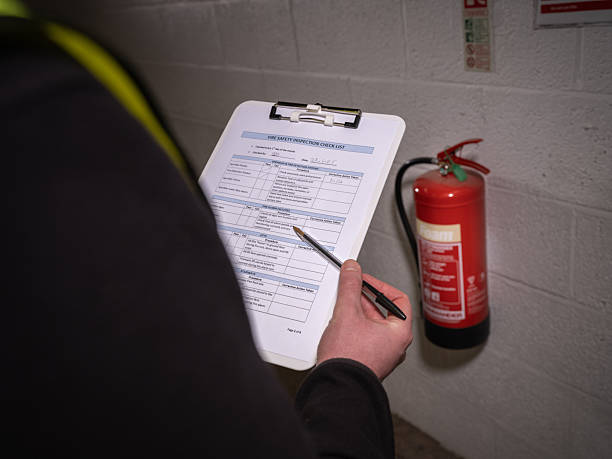
Fire safety systems
-
Emergency lighting
-
Internal decoration
-
Flooring
-
Garden and boundary condition
-
Accessibility
A property survey can help establish which works are landlord responsibilities and which should be undertaken by the operator.
Bedrooms and family accommodation
The property's bedroom configuration should be considered carefully.
Residential family centres accommodate parents and children, so bedrooms need to support the operator's proposed assessment model while providing appropriate privacy and residential comfort.
Landlords should consider:
-
Number of bedrooms
-
Room sizes
-
Natural light
-
Ventilation
-
Storage
-
Bathroom access
-
Potential accessibility adaptations
-
Ground-floor accommodation
-
Safe circulation
-
Overall capacity
There is no simple rule that a particular number of bedrooms automatically determines the number of families that can be accommodated. The operator's service model, statement of purpose, staffing arrangements and residents' needs are important considerations.
Ofsted inspection records also show residential family centres operating with different family capacities, demonstrating that premises and service models can vary considerably.
Communal areas and children's facilities
A residential family centre needs to function as a home as well as a professional assessment environment.
A landlord marketing suitable property should therefore consider the availability of:
-
Living rooms
-
Dining areas
-
Shared kitchens
-
Children's play areas
-
Quiet rooms
-
Outdoor space
-
Family activity areas
Ofsted expects premises assessments to consider facilities and play materials for children of different ages. Where disabled parents or children are to be accommodated, appropriate facilities and adaptations should also be considered.
A property with a secure garden, for example, may provide additional value to an operator compared with a building with no outdoor space.
Staff and assessment facilities
Residential family centres also require space for professional work.
Depending on the operator's model, this may include:
-
Staff offices
-
Private assessment rooms
-
Meeting rooms
-
Interview rooms
-
Secure records storage
-
Staff welfare facilities
-
Space for visiting professionals
A landlord does not necessarily need to provide every facility in finished form. Some operators may be prepared to undertake approved alterations as part of the lease.
The important point is to establish who will pay for the work, who owns improvements and what happens to alterations when the lease ends.
Planning before letting to a residential family centre
Planning should be investigated before the property is marketed specifically for residential family centre use.
Ofsted requires applicants to provide planning evidence for every building proposed for the service. Depending on the circumstances, this may include planning permission, confirmation that planning permission is not required, confirmation that the current use is permitted or evidence of a planning application. Ofsted recommends waiting for planning permission where it is required.
For landlords, this means the proposed use should be discussed with the operator before assuming that an existing residential or care use automatically covers the new operation.
A lease should also clearly identify the permitted use and any conditions attached to alterations or planning applications.
Who pays for refurbishment?
This is one of the most important issues to resolve before agreeing terms.
A residential family centre operator may need to adapt the property for:
-
Fire safety
-
Accessibility
-
Children's facilities
-
Bathrooms
-
Security
-
Staff accommodation
-
Assessment rooms
-
Kitchen facilities
-
Internal layout
-
External areas
The lease should establish whether the landlord provides a completed property or whether the tenant undertakes the works.
If the operator is funding substantial refurbishment, the tenant may request a longer lease term to justify the investment.
Landlords should also consider whether proposed alterations could affect the property's future value or alternative uses.
Lease terms for residential family centre property
A specialist operator may require a longer and more secure lease than an ordinary residential tenant.
Important terms can include:
-
Length of lease
-
Break clauses
-
Rent review arrangements
-
Permitted use
-
Repair responsibilities
-
Maintenance obligations
-
Alteration rights
-
Planning responsibilities
-
Insurance
-
Compliance obligations
-
Assignment
-
Subletting
-
Renewal arrangements
-
Reinstatement requirements
The lease should also address what happens if the operator's Ofsted registration application is unsuccessful or delayed.
Because Ofsted registration is tied to the registered premises, the operator cannot simply begin operating at an alternative address without the appropriate registration. Providers moving premises or adding premises generally need to make a new application and cannot begin operating at new premises until registration has been granted.
Landlord responsibilities and building safety
The landlord and operator should establish responsibility for statutory and contractual obligations.
Depending on the lease, landlords may remain responsible for matters such as structural repairs or shared building systems, while the operator may manage day-to-day operational compliance.
The property should be maintained in a condition suitable for its intended use.
Historical Ofsted inspection material shows that residential family centre premises are expected to be of sound construction and kept in good repair, while fire precautions, evacuation arrangements and fire equipment maintenance are important operational considerations.
A landlord should therefore avoid treating a specialist letting as simply a standard residential tenancy with a different tenant.
Insurance for specialist residential property
Insurance arrangements should be reviewed before the lease is completed.
The landlord should check that the proposed use is acceptable to the building insurer and that the policy reflects the actual use of the property.
Operators also have their own insurance obligations. Ofsted's application guidance states that a certificate of insurance covering matters including death, injury, public liability, damage or other loss must be obtained before the centre begins operating.
Both parties should obtain appropriate professional advice rather than assuming an existing household or standard property policy will cover specialist use.
What landlords should ask a residential family centre operator
Before agreeing to let a property, a landlord may want to establish:
-
What exactly will the property be used for?
-
Is the operator already Ofsted registered?
-
Is this a new registration or an existing provider seeking new premises?
-
What family capacity is proposed?
-
What planning position is required?
-
What alterations are needed?
-
Who will fund refurbishment?
-
What lease length is required?
-
What insurance will be maintained?
-
Who will be responsible for repairs?
-
What staff facilities are required?
-
What accessibility adaptations are proposed?
-
Will children have access to outdoor space?
-
What happens if registration is delayed?
-
What happens if the operator leaves the property?
These questions can help landlords understand the commercial and operational implications before agreeing heads of terms.
Can a landlord let a former care home to a residential family centre?
Potentially, yes, subject to the proposed use, planning position, property condition and regulatory requirements.
Former care homes can provide useful layouts because they may already contain multiple bedrooms, bathrooms, communal areas, kitchens and staff facilities.
However, a former care home may need significant changes before it becomes suitable for residential family assessment.
The landlord and operator should assess:
-
Existing planning use
-
Building condition
-
Fire safety
-
Accessibility
-
Children's facilities
-
Family accommodation
-
Staff facilities
-
Security
-
Outdoor areas
-
Refurbishment costs
The previous use should be treated as a starting point rather than a guarantee of suitability.
Residential family centre property investment
Investors who own larger residential or specialist care properties may consider leasing them to residential family centre operators as part of a specialist property strategy.
The investment assessment should consider:
-
Purchase price
-
Rental income
-
Lease length
-
Tenant covenant
-
Refurbishment costs
-
Property condition
-
Planning
-
Location
-
Insurance
-
Maintenance obligations
-
Future alternative uses
A specialist tenant can require a property to be configured specifically for its service, so investors should understand the potential costs of alterations and reinstatement before committing capital.
Finding residential family centre tenants in London
London has established residential family centre provision across several boroughs, with Ofsted's current inspection directory listing centres in areas including Barnet, Newham, Wandsworth and other London locations.
For landlords, the search should focus on finding operators whose service model matches the property rather than simply advertising a building as a generic care property.
A property with several bedrooms, communal accommodation, good transport links, outdoor space and refurbishment potential may attract specialist operators, but the operator's exact requirements should be established before marketing.
Working with Fraser Bond
Fraser Bond works with landlords, investors, operators and property professionals looking at specialist UK property opportunities.
For landlords seeking a residential family centre tenant, the process can include identifying suitable operators, presenting the property appropriately, assessing the building's potential and coordinating the wider property requirements associated with specialist residential use.
Whether you own a former care home, large London house, existing specialist facility or property requiring refurbishment, understanding the intended use is essential before agreeing a lease.
If you are a landlord with property suitable for a residential family centre, Fraser Bond can assist with the property strategy, marketing and wider requirements involved in positioning the premises for specialist operators.